
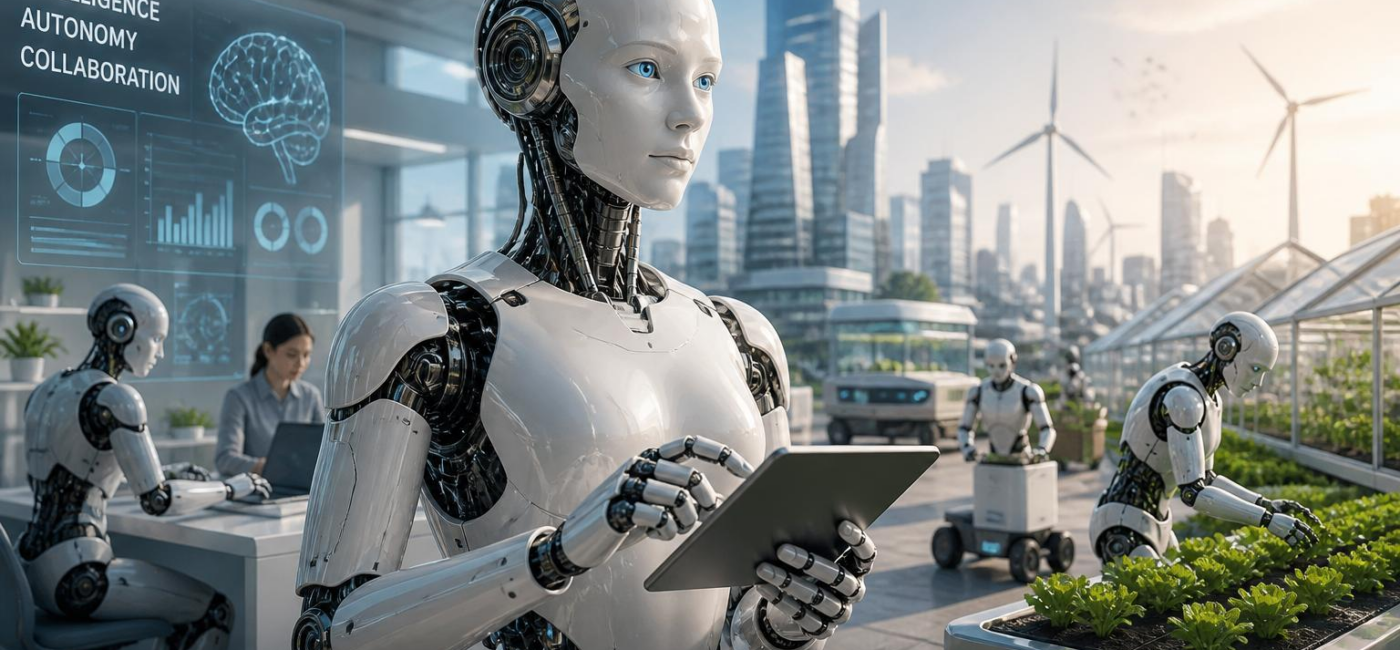
A humanoid robot is a machine with a roughly human-shaped body designed for physical tasks. its human-like form can be useful in workplaces built around people, where doors, shelves, carts, toolsand workstations already assume a certain height, reachand way of moving.That does not meen every job needs a robot that looks like a person. In many cases, a simpler machine is the better fit.But humanoid robots may be useful when they need to operate in spaces that would otherwise require costly changes.
Where Humanoid Robots May Help Most
Humanoid robots are usually best suited to routine physical work in structured settings. Think of moving supplies through a warehouse, carrying parts between workstations, bringing linens to a hotel flooror checking weather basic items need restocking. These jobs often involve repetitive movement through spaces designed for people, rather than highly specialized machinery.
The strongest use cases tend to be predictable tasks with clear boundaries. A robot may carry totes, transport equipmentor move materials from one step in a process to another. In retail,it might help with simple shelf checks or bring products from a stockroom. in a hospital,it could transport supplies while nurses,technicians,and clinicians remain focused on patient care.
That distinction matters. Robots are not well suited to work that depends on empathy,trust,judgment,or duty for challenging decisions. A machine can deliver medication to a unit, for example, but people must remain responsible for verifying treatment and caring for patients. The same applies in customer-facing jobs, where questions, complaintsand sensitive conversations still call for a human response.
The goal is practical support, not a substitute for every part of human work.

Safety and Human Oversight
Despite their familiar shape,humanoid robots should be treated like any other piece of workplace machinery. A moving arm, loaded cartor walking machine can cause harm if it malfunctions, misreads its surroundingsor operates too close to people. Before putting one to work, employers should look closely at the task, the physical space, likely points of contactand what could happen if the robot stops or behaves unexpectedly.
Basic safeguards should be part of the setup from the start. That may include clearly defined operating areas, limits on speed and force, visible status signalsand emergency stops that workers can reach easily.When the robot cannot clearly detect a safe path or safely identify an object, it should stop and wait for help rather than continue on an uncertain assumption. Human-like appearance does not make mechanical risk disappear.
Oversight also needs to be clear.Someone should be responsible for monitoring the machine, stopping it when necessaryand taking it out of service when it needs inspection or repair. Workers nearby should understand what the robot is allowed to do, how it signals its operating stateand how to report unusual behavior. Regular checks of its sensors, joints, software settingsand safety controls can help catch problems before they become incidents.
Making Human-Robot Teams Work
A good rollout starts with a simple question: what should the robot doand what should people continue to do? Humanoid robots can take on repetitive handling, material transport, guided inspectionsand other routine physical tasks. People are better placed to deal with exceptions, make safety calls, prioritize changing workand resolve situations that are unclear or unusual.
Clear handoffs are essential. Employees should know when a job passes to the robot, how the robot indicates that it is indeed workingand what happens if it cannot complete the task. Simple visual, audioor screen-based signals can reduce confusion for people sharing the same space. Just as significant,workers need an easy and safe way to pause the machine,redirect it,or ask for help.
It also helps to begin with a limited workflow rather than trying to automate an entire area at once. Watching how the machine performs in real conditions often reveals small problems that are easy to miss on paper: an awkward pickup point, a congested aisle, a confusing signalor a task that takes longer than expected. Employees working alongside the robot are frequently enough the first to spot these issues, so their feedback should shape the next round of adjustments.
Trust grows from predictable behavior, not big promises. A robot should move at sensible speeds, stay within its assigned area where possible, and communicate clearly before entering a shared space or starting a task.The workplace should not have to bend around every limitation of the machine. The better approach is to design the workflow so human judgment and machine consistency complement each other.
Planning for People, Not Just Machines
Introducing humanoid robots should be part of a staffing and operations plan, not a surprise for the people affected by them. Employers should identify duties that are repetitive, physically demanding, hazardousor difficult to cover consistently. From there, they can decide where a robot can help without eroding the work that depends on experience, accountability, empathyor skilled decision-making.
Employees deserve a clear explanation of why the robot is being introduced and how their work may change. That includes what the machine can and cannot do, who is responsible for supervising it, what information it may collectand how workers can raise concerns. If automation changes existing roles, retraining and opportunities to move into other work should be part of the conversation early, not an afterthought.
Privacy deserves the same attention as safety. A workplace robot may rely on cameras, sensorsor operational records to do its job, but employers should collect onyl what is necessary and explain how that information is stored and accessed.Using a humanoid robot as a hidden tool for constant worker surveillance can damage trust quickly.
Before expanding deployment, employers should test the robot in the actual environment where it will work. Real conditions include people walking nearby, changing layouts, busy periods, tools left in the wrong placeand the everyday interruptions that do not appear in a controlled exhibition. A careful rollout gives teams time to learn, adjustand decide whether the robot is improving the job in a meaningful way.
Conclusion
Humanoid robots may find a place in workplaces built for human bodies and human tools, especially where routine physical tasks take time, create strainor are difficult to staff.Their value will depend less on how human they look and more on whether they can perform a specific task safely, reliablyand with appropriate supervision. Used thoughtfully, they can support people at work without pretending to replace the judgment and responsibility that people bring to the job.
AI tools built by Emerald Force
Built and supported by Emerald Force.
You might also like
- Can AI Identify You From a Photo? Key Risks
AI Models Explained: From Inputs to Outputs
- Synthetic Data: Purpose, Uses, and Limitations
- Preparing Students for Success in AI-Driven Work
- How AI Improves Test Prep With Plans and Practice
- Content Provenance: How Media Origins Are Verified
- AI Chatbots Explained: How They Answer and Act
- U.S. AI Governance: No Single Federal AI Law
- When to Ask for JSON for Structured Output
- Fine-Tuning vs. Retrieval: Model Change or Context