

Media can travel a long way from the moment it is created.A photo may be cropped, reposted, edited, stripped of its original detailsor shared without context. That is why content provenance matters. Content provenance is metadata or cryptographic information that helps show where media came from and whether it was altered. It does not make every file instantly trustworthy, but it gives peopel a record they can examine rather than a claim they simply have to accept.
How media records its origins
A media file contains more than pixels, video framesor sound. Its metadata may include the date it was created, the device used, location information, editing detailsand the software involved in exporting it. Those details can be useful when they match the story being told about the file.
Metadata alone, however, is not proof.It can be removed during upload, lost when a file is convertedor changed deliberately. Cryptographic credentials can add another layer of evidence. When information about a file is digitally signed, it can help show who made an origin claim, when they made itand whether the file has changed since then.
That distinction is meaningful. Provenance is not a blanket promise that something is authentic. It is indeed a trail of evidence: what is known about the file, who made the relevant claimsand whether those claims still match the media being reviewed.
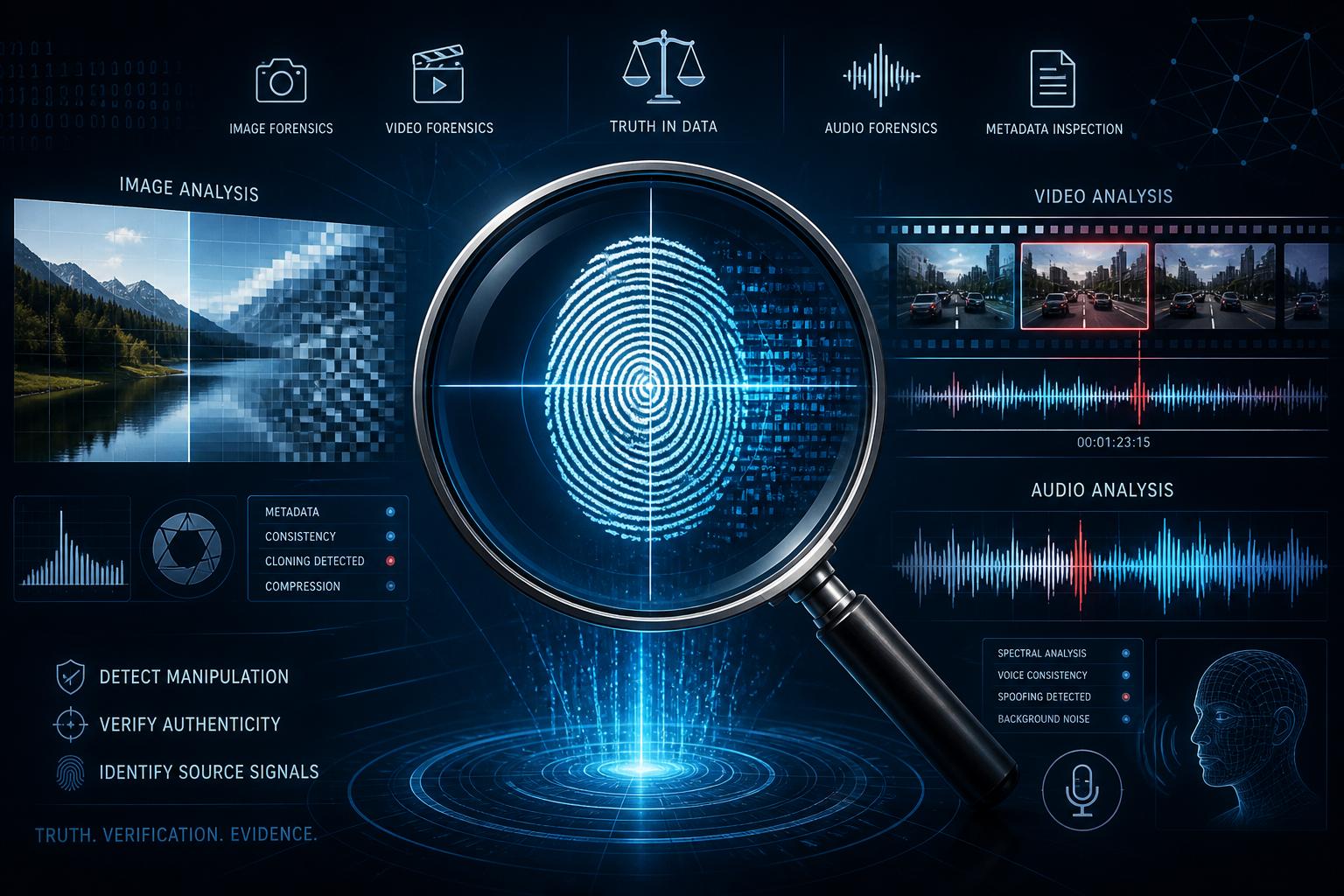
Looking for signs of alteration
When questions arise,reviewers start wiht the media itself. In an image,they may look for inconsistent lighting,distorted edges,repeated textures,or differences in compression across parts of the frame. None of those signs proves manipulation on its own. A low-quality upload, a screenshotor ordinary editing can produce similar effects.The question is whether the visible details fit the claimed source and circumstances.
Video adds more to examine. Frame timing, shadows, reflections, camera movementand lip synchronization can reveal edits that are harder to spot in a still image. Audio can be reviewed for changes in room tone, abrupt pauses, clipped words, or patterns that suggest splicing or synthetic speech.
File-level clues can also help. Metadata, file structure, encoding choices, embedded thumbnails, sensor noiseand compression patterns may indicate whether a file is original, re-exportedor assembled from multiple sources. A careful review separates what the media appears to show from what its available history can support. The result is often more precise than a simple “real” or “fake” label: a clip may be genuine but shortened, a real image may be attached to the wrong dateor an authentic recording may include edited remarks.
What transparent verification looks like
Trust grows when a publisher explains more than the final verdict. Readers should be able to understand what evidence was available, who provided it, what checks were performed, and where uncertainty remains.A useful provenance record might identify the original or earliest known source, note known edits or format changes, and link to supporting reporting when that is appropriate and safe.
The same standard should apply to ordinary uploads, breaking-news footage, archival material, and media altered for legitimate editorial reasons. A clear record distinguishes confirmed facts from statements made by contributors or gaps caused by missing metadata. That is more helpful than a vague “verified” label with no clarification behind it.
Content provenance is most useful when it remains open to correction. new information may clarify when a file was made,identify an earlier source,or show that a caption was incomplete. Keeping a visible record of those updates turns verification into an ongoing editorial practice rather than a one-time decision.
How publishers can preserve the record
Publishers should treat provenance as part of their editorial record from the beginning. Keep the original file whenever possible, preserve the metadata that comes with itand document the basic chain of custody: who supplied the material, when it arrived, what checks were completedand what changes were made before publication.
That record helps editors revisit decisions if questions come up later. It also makes it easier to distinguish verified reporting from illustrative images, third-party material, archival footage, recreated scenesand AI-generated media. readers do not need every technical detail, but they deserve an accurate description of what they are being shown.
- Use plain-language labels for edited, archived, recreated, or AI-generated media.
- Share source documentsoriginal reportingor verification notes when it is safe and practical to do so.
- Correct provenance errors visibly, with a dated note that explains the change.
Clear dialog matters as much as careful preservation. A caption or editor’s note can prevent confusion when an image might be mistaken for current footage or direct evidence of an event. If the available evidence is limited, say so plainly. Credibility does not come from pretending that every file is beyond dispute. It comes from showing how its origins were assessed, what remains uncertainand how the record will be corrected if new facts emerge.
AI tools built by Emerald Force
Built and supported by Emerald Force.
You might also like
- How AI Improves Test Prep With Plans and Practice
- Content Provenance: How Media Origins Are Verified
- AI Chatbots Explained: How They Answer and Act
- U.S. AI Governance: No Single Federal AI Law
- When to Ask for JSON for Structured Output
- Fine-Tuning vs. Retrieval: Model Change or Context
- Seeing Isn’t Believing: Verify Video Evidence First
- How AI Can Build Your Case for a Better Raise
- System Prompts: Rules That Govern AI Behavior
- AI Can Draft Books, but Humans Still Make Them Great