
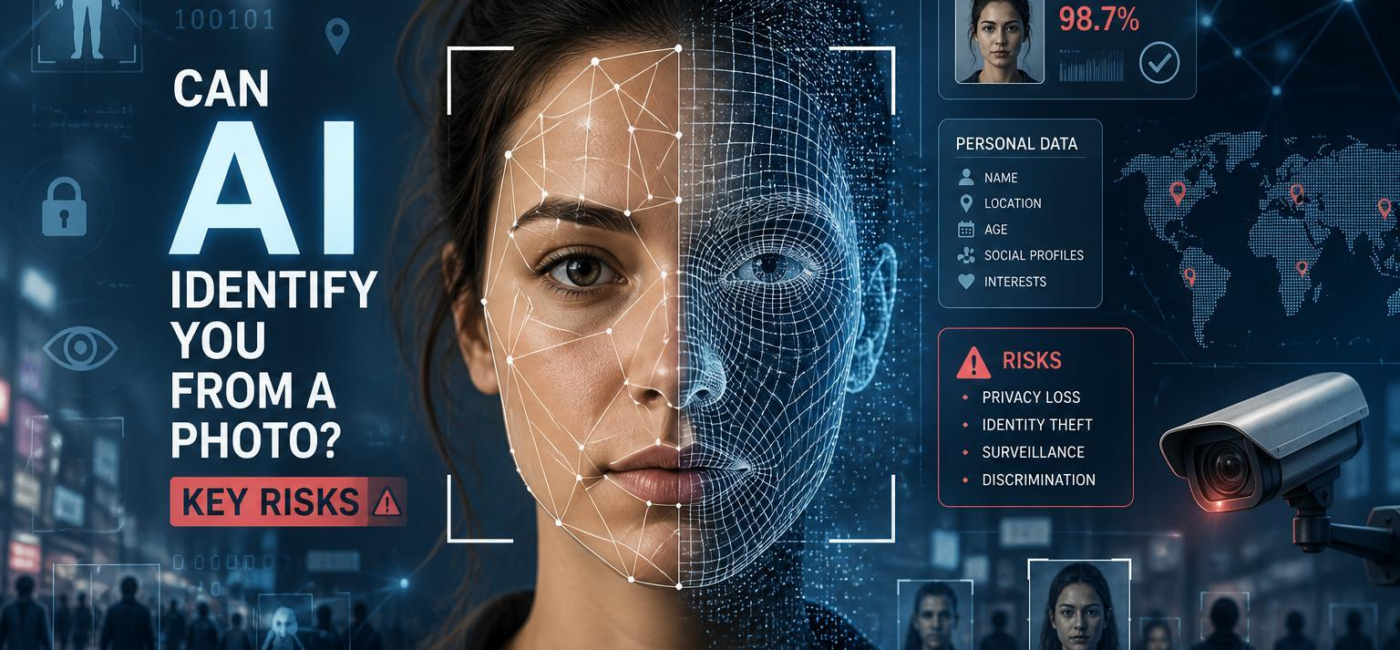
Can AI identify me from a photo? Sometiems, yes-especially when a clear image is combined with face-recognition tools, image searchesor details attached to the file. A photo does not need to include your full name to reveal more than you intended. Your face, location, surroundingsand even small background details can all add up.
How a Photo Can Reveal Who You Are
AI can analyze visible facial features, including the distance between the eyes, the shape of the jawand the contours of the nose and mouth. it converts those details into a digital pattern that may be compared with other images in a database or online. A sharp, front-facing photo is easier to match, but formal portraits are not the only concern. Pictures from social media, event galleries, street scenesand shared albums can sometimes provide enough detail to connect someone with other photos.
The face is only part of the picture. A name badge, school logo, storefront, house numberor recognizable landmark may offer useful clues. Image tools can read text, recognize placesand group similar-looking faces. When those clues are linked with public profiles or other available information, they may reveal a person’s name, workplace, interestsor usual locations. The risk frequently enough comes from several small details being pieced together.
Why Facial Recognition Raises Privacy Concerns
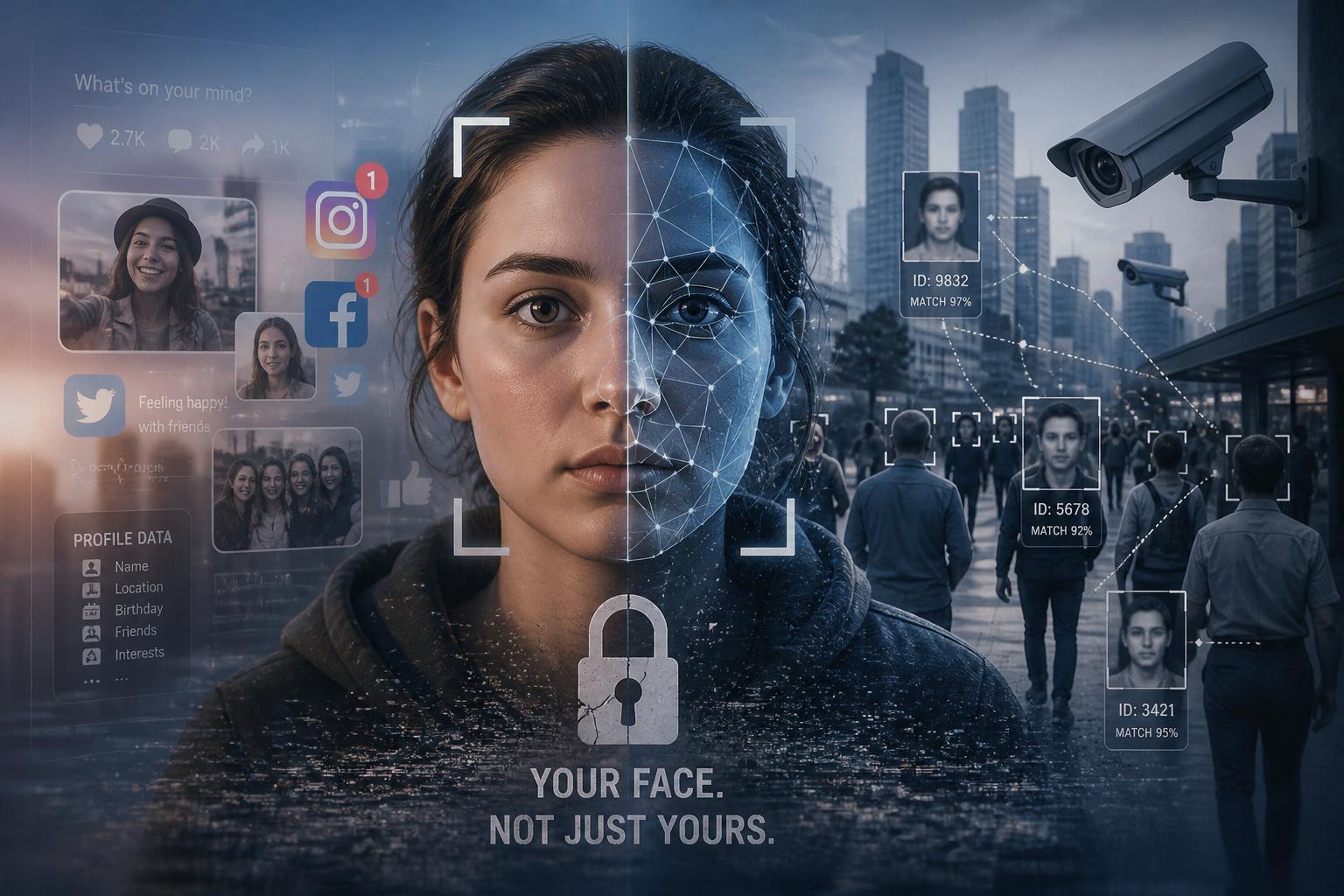
facial recognition can turn an ordinary image into a searchable identifier. A photo posted for friends or family might later be copied, indexed, or compared with profile pictures, old event photosand other public images. In some cases, that can expose details such as a person’s name, employer, social circleor places they regularly visit.
The problem is not limited to incorrect matches, though those can cause real harm.It is also about context. A photo shared in one setting can be viewed or interpreted in another, by people the original poster never expected to reach. Once a face is easy to search, it becomes harder to stay anonymous in public.
Cameras in stores, transit hubs, venuesand on streets can add to that concern. People may not know when their image is being captured, whether facial-recognition technology is involvedor how long the footage will be kept. Over time, images tied to names, tagsand locations can create a detailed record of someone’s movements and relationships.
When Biometric Data Is Misused
Your face, voice, fingerprintand even the way you walk can be treated as biometric data. Unlike a password, those traits are difficult or unachievable to replace after they are exposed. If images are collected without meaningful consent and matched across different systems, they may be used to build an identity trail showing where someone has been and who they have spent time with.
Photos can also make impersonation attempts more convincing when they are combined with other personal information exposed in a breach or gathered online. Criminals may use images to create fake profiles, support social-engineering scamsor produce manipulated media that appears to show a real person. A facial check should not be the only safeguard for high-risk actions such as resetting an account, opening a financial accountor approving a payment.
How to Share Photos More Carefully
Start with the photos that reveal the most: clear face shots, images taken at homeand pictures that show a workplace, school, regular routeor child’s routine. Review your social-media privacy settings, limit who can tag youand take down old public albums that no longer need to be online.
Before posting, look at the entire frame rather than just the people in it. Street signs, reflections, name badges, house numbersand familiar backgrounds can disclose more than you realize. It is also worth checking whether your phone saves location information with photos. Turning off location tagging, or removing location data before sharing an original file, can reduce one source of exposure.
For photos that need to stay public,crop out identifying surroundings where possible and avoid uploading high-resolution originals in sensitive situations.A filter or slight blur may make an image less clear to a casual viewer, but it is not a reliable privacy measure. Assume that anything posted publicly can be copied, saved, repostedand analyzed long after you remove it.
Final Thoughts
AI cannot identify every person from every image,and a single photo is not always enough to confirm someone’s identity. Still, photos can become surprisingly revealing when they are combined with facial recognition, metadata, public postsand background clues.Thoughtful sharing will not eliminate every risk,but it can give you more control over what your images reveal.
AI tools built by Emerald Force
Built and supported by Emerald Force.
You might also like
- Can AI Identify You From a Photo? Key Risks
AI Models Explained: From Inputs to Outputs
- Synthetic Data: Purpose, Uses, and Limitations
- Preparing Students for Success in AI-Driven Work
- How AI Improves Test Prep With Plans and Practice
- Content Provenance: How Media Origins Are Verified
- AI Chatbots Explained: How They Answer and Act
- U.S. AI Governance: No Single Federal AI Law
- When to Ask for JSON for Structured Output
- Fine-Tuning vs. Retrieval: Model Change or Context