

can AI identify me from a photo? Sometimes-especially when the image is clear and can be connected to a face-recognition system, location dataor other information already available online. A photograph does not need to include your name to reveal more than you intended. Whether identification is actually possible depends on the quality of the image, the database being searchedand the context around it.
How a Photo Can Be Matched to a Person
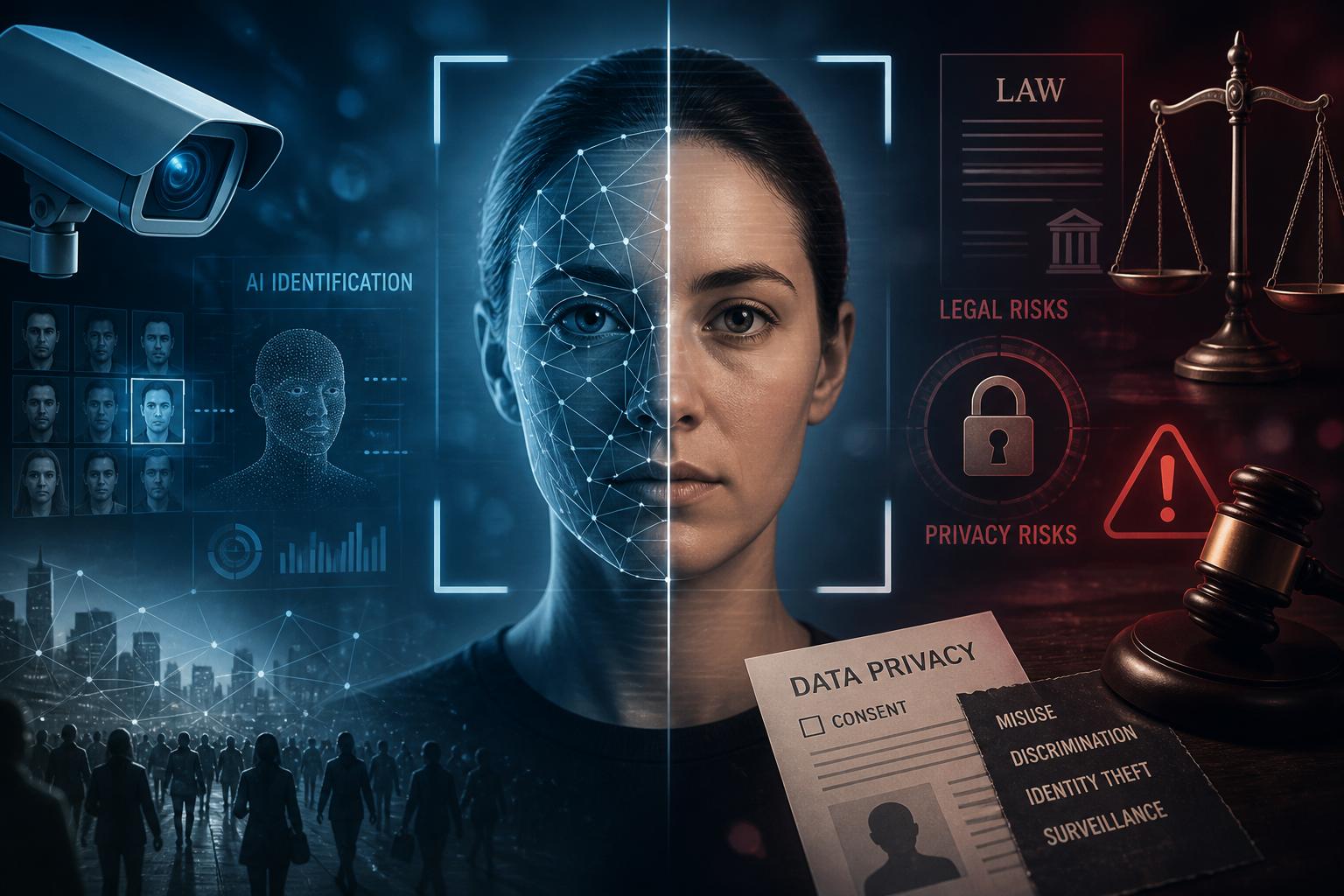
Facial-recognition software usually starts by finding a face in an image. It then looks at visible facial features and their relationships,such as the spacing of the eyes,the shape of the nose,the jawline,and the position of the mouth. From there, the system creates a mathematical representation of the face-often called a template or embedding.
It generally is not comparing every pixel in one photo with every pixel in another. Instead, it compares that representation with representations made from other images in a database. If the system finds a close enough match, it may suggest a possible identity.
Casual photos can still be useful for this purpose. A face in a crowd, a cropped event photoor an image taken at an angle may provide enough detail to produce a match. but results are less reliable when the image is blurry, poorly lit, low resolution, heavily filtered, partially coveredor taken many years apart. Facial recognition is not a single, certain moment of recognition; it is a process of making and ranking possible matches.
why Photo Identification Raises Privacy Concerns
A face in a photograph can become much more sensitive once software links it to a name, profile, location, or record. A photo shared with friends, published in an event galleryor captured by a security camera may be used in ways the person pictured never expected.
the privacy question is not only whether the image was publicly visible. It also matters how it was collected, matched, stored, sharedand reused. A person may be agreeable appearing in a community newsletter but not comfortable being added to a searchable database or tracked across locations.
This is why biometric information deserves particular care. If a password is exposed, you can change it.You cannot replace your face. Organizations using photo-identification tools should be clear about what they are doing, keep access limited, avoid repurposing images for unrelated usesand offer a realistic way for people to question a match or request removal where appropriate.
Rules vary by location and by the purpose of the system. The stakes are usually higher when facial recognition is used in employment, housing, education, security, marketingor law-enforcement-related settings. A mistaken match can cause real harm, but even a correct match may feel invasive when it enables ongoing monitoring.
How to Reduce Your Exposure Online
You cannot entirely prevent your face from appearing online, but you can make it less easy for strangers or automated systems to connect images to your identity. Start by reviewing public photos on social media, old blogs, workplace pages, event galleriesand shared albums. Remove images you no longer want public when you canand check that future posts are visible only to the people you intend to see them.
Be thoughtful about clear, front-facing portraits and high-resolution group photos, especially when they reveal predictable details about your life, such as your workplace, school, neighborhood, commuteor favorite local spots. Privacy settings help reduce casual access, but they cannot pull back a photo that has already been copied, repostedor archived elsewhere.
- Ask friends and family before they tag or upload identifiable photos of you.
- turn off photo backup or public-sharing features you do not use.
- Remove location metadata before sharing images beyond private channels.
- Search your name from time to time and request removal of old public photos where possible.
It is also worth looking beyond social media. Your image may appear in marketplace listings, conference recaps, school announcements, fundraising pages, company directoriesor local news coverage. If an organization has posted your photograph, you can ask whether it can be removed, replacedor restricted to logged-in viewers. For future pictures, wider shots or photos where your face is not the focus can preserve the moment while sharing less usable facial detail.
When Consent May Be Needed
Taking a photograph and using facial recognition are not necessarily the same thing. A venue may take a general crowd photo for publicity, while a retailer may use software to compare visitors’ faces against a database. The second situation creates a much more direct identification and tracking concern.
Consent is often a central issue when an organization turns a face into biometric data, uses it to verify identity, compares it with a watchlist, monitors employees or visitors, trains a recognition systemor shares match results with another party. Whether consent is legally required depends on the jurisdiction and the purpose, but clear, informed permission is frequently enough the safer approach when a person is being identified rather than simply photographed.
meaningful consent should not be hidden in a long terms-of-service page or assumed because someone walked into a building. People should be told what is being collected,why it is indeed needed,how long it will be kept,who may receive it,and what options they have if they do not want to participate. Consent is also harder to treat as voluntary when refusing would lead to an unfair penalty or leave someone with no practical alternative.
AI can identify someone from a photo in some circumstances, but it is indeed not magic and it is not guaranteed. The strongest protection is a combination of careful sharing habits, clear organizational policiesand meaningful limits on how facial data is collected and used.
AI tools built by Emerald Force
Built and supported by Emerald Force.
You might also like
- AI Can Build Websites: From HTML to Backend Scaffolds
- AI Voice Scams Are Rising: Why Verification Matters
- Letting AI Run Terminal Commands: Essential Safeguards
- AI Lowers Routine Costs, but Expertise Still Decides
- AI Agents Today: Useful but Still Need Oversight
- How AI Enables Robots to Perceive, Plan, and Interact
- Retrieval-Augmented Generation: A Clear Guide
- Why Smaller Tuned Models Win Focused AI Tasks
- Protect Family From AI Scams: Verify Before Paying
- Will AI Become Conscious? No Evidence So Far