
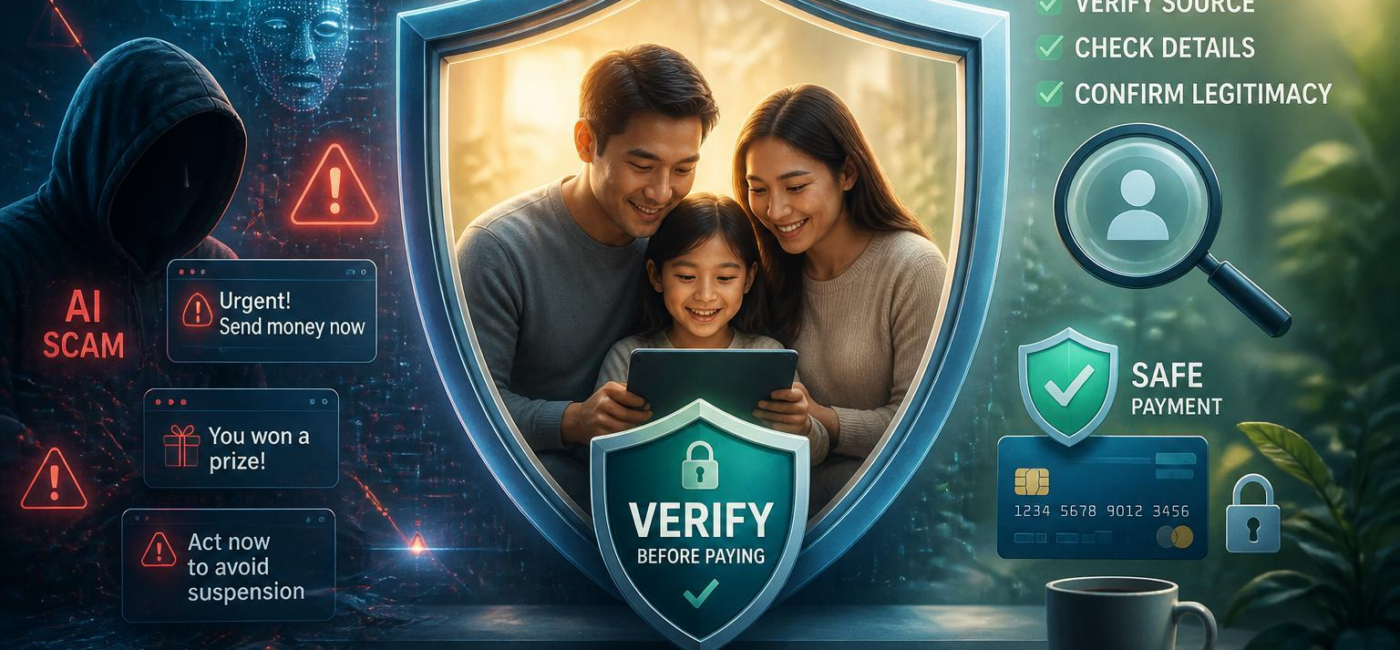
AI scams can make a fake emergency feel painfully real.A caller may sound like your child, parentor partner and claim they are hurt, stranded, arrestedor in trouble. The goal is to push you into sending money before you have time to think. Knowing how to protect your family from AI scams comes down to one habit: verify first, then decide what to do.
Watch for pressure and secrecy
Impersonation scams usually start with a story designed to create panic. someone may say a relative needs bail money, has been in an accidentor cannot speak freely.The voice can sound familiar because scammers may use short clips taken from social media, voicemail greetingsor public videos. They may also spoof a phone number, take over an accountor know enough personal details to make the story sound believable.
That does not mean the emergency is real. Urgency, secrecyand unusual payment instructions are warning signs, especially when the caller asks for gift cards, cryptocurrency, a wire transfer, cash pickupor money sent through an unfamiliar app. Those payment methods can be difficult to reverse once the money is gone.
A real emergency can wait while you confirm the facts.A scam needs you to act before you do.
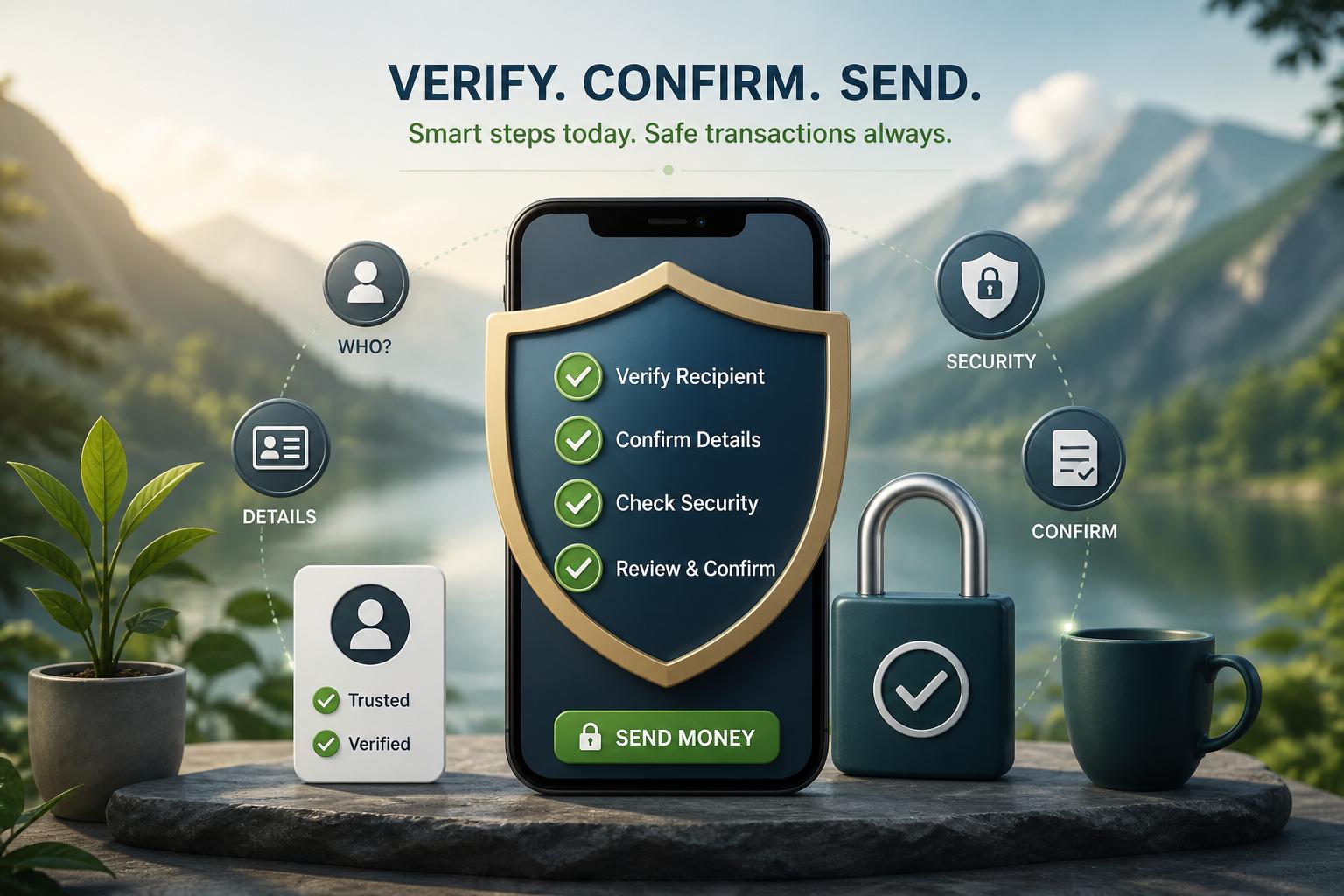
Verify before you send money
A convincing voice message, textor video call is not proof that a loved one is actually asking for help. If you get an alarming call, pause. End the conversation if you need to, then contact the person using a phone number or account you already know belongs to them. Do not call back a number given by the caller or click a link included in the message.
It also helps to agree on a family passphrase ahead of time. Keep it simple, privateand unrelated to anything posted online. If a caller claims to be a relative but cannot give the phrase, treat that as a serious warning. You can also ask a question that only the real person would be likely to know, but do not rely on one answer alone if the situation still feels off.
For any urgent request involving money, bring in another trusted person. Call a sibling, spouse, friend, school, workplaceor care provider who may be able to confirm what is happening. If the caller insists that you keep the situation secret, that is another reason to slow down.
Make a simple family plan
The best time to discuss scams is before anyone receives a frightening call.Talk with parents, grandparents, teenagersand other close relatives about what to do if someone asks for money in an emergency. The plan does not need to be intricate. It just needs to be easy to remember when emotions are running high.
- Use a private family verification phrase.
- Call back saved, known phone numbers rather than numbers provided in a message.
- Get a second family member to confirm an urgent request before anyone sends money or shares account information.
keep significant contact information somewhere easy to find. That might include direct phone numbers for close relatives, an out-of-town contactand the number for your bank or payment provider. Make it clear that nobody should feel embarrassed for checking. A quick call to confirm a story is far better than rushing into a payment you cannot take back.
If you think you were targeted
if you sent money, shared account detailsor gave away sensitive information, act quickly. Save any texts, emails, screenshots, usernames, phone numbers, payment receipts, wallet addressesand notes about when the contact happened. Report the fake account or message to the platform where it appeared, then contact your bank, card issuer, payment appor cryptocurrency service right away.
In the United States, you can also report suspected fraud to the Federal Trade Commission and the FBI’s Internet Crime Complaint Center. Reporting may not always recover lost money, but it can help limit the damage and may help investigators identify patterns.
Afterward, change passwords for affected accounts and turn on two-factor authentication where available. Let the rest of the family know what happened,too. Sharing the details of a scam is not something to be ashamed of; it can keep the next person from falling for the same trick.
Slow down, checkand protect each other
AI can make a scammer’s voice or message seem convincing, but it cannot stop you from taking a moment to verify the request. When someone demands urgent money, call back a known number, use your family’s secret verification phraseand ask another trusted person to confirm the situation. That short pause is frequently enough the difference between helping a loved one and paying a scammer.
AI tools built by Emerald Force
Built and supported by Emerald Force.
You might also like
- AI Agents Today: Useful but Still Need Oversight
- How AI Enables Robots to Perceive, Plan, and Interact
- Retrieval-Augmented Generation: A Clear Guide
- Why Smaller Tuned Models Win Focused AI Tasks
- Protect Family From AI Scams: Verify Before Paying
- Will AI Become Conscious? No Evidence So Far
- Where AI Agents Excel: Structured Digital Workflows
- How AI Strengthens Finance Teams and Reporting
- Can AI Fake Photos? How Synthetic Images Look Real
- AI Handles Routine Service; Humans Handle the Rest