

AI regulation is still taking shapeand there is no single rulebook that applies everywhere. In practice, AI is regulated through a mix of existing privacy, consumer protection, civil rightsand sector-specific rules, alongside newer laws written specifically for AI systems.The details vary by jurisdiction, but the direction is clear: organizations are expected to understand how their systems work, limit avoidable harmand take obligation for the outcomes.
privacy Comes First
Before a jurisdiction adopts an AI-specific law, privacy law frequently enough sets the first meaningful limits. If an institution trains, testsor uses an AI system with personal information, it may need a lawful reason to process that data, a clear description of why it is being usedand safeguards that match the sensitivity of the information.
That applies to more then a formal training dataset. Prompts, uploaded documents, chat histories, usage logsand model outputs can all raise privacy issues when they identify a person or can reasonably be connected to one.Organizations should collect only what they need for a defined purpose, limit access to people and providers with a legitimate need to use itand avoid holding sensitive data indefinitely just because it might be useful later.
Privacy should be considered while the AI use case is being designed, not after the product is ready to launch. Teams should ask whether the system handles sensitive information, makes or influences meaningful decisions about people, transfers data across borders, or could expose information through prompts or outputs. Access controls, retention schedules, testing for unintended disclosureand human review can all help reduce those risks. The legal requirements differ from place to place, but the basic expectation is familiar: personal data should be used in a way that is necessary, proportionate, secure, and accountable.
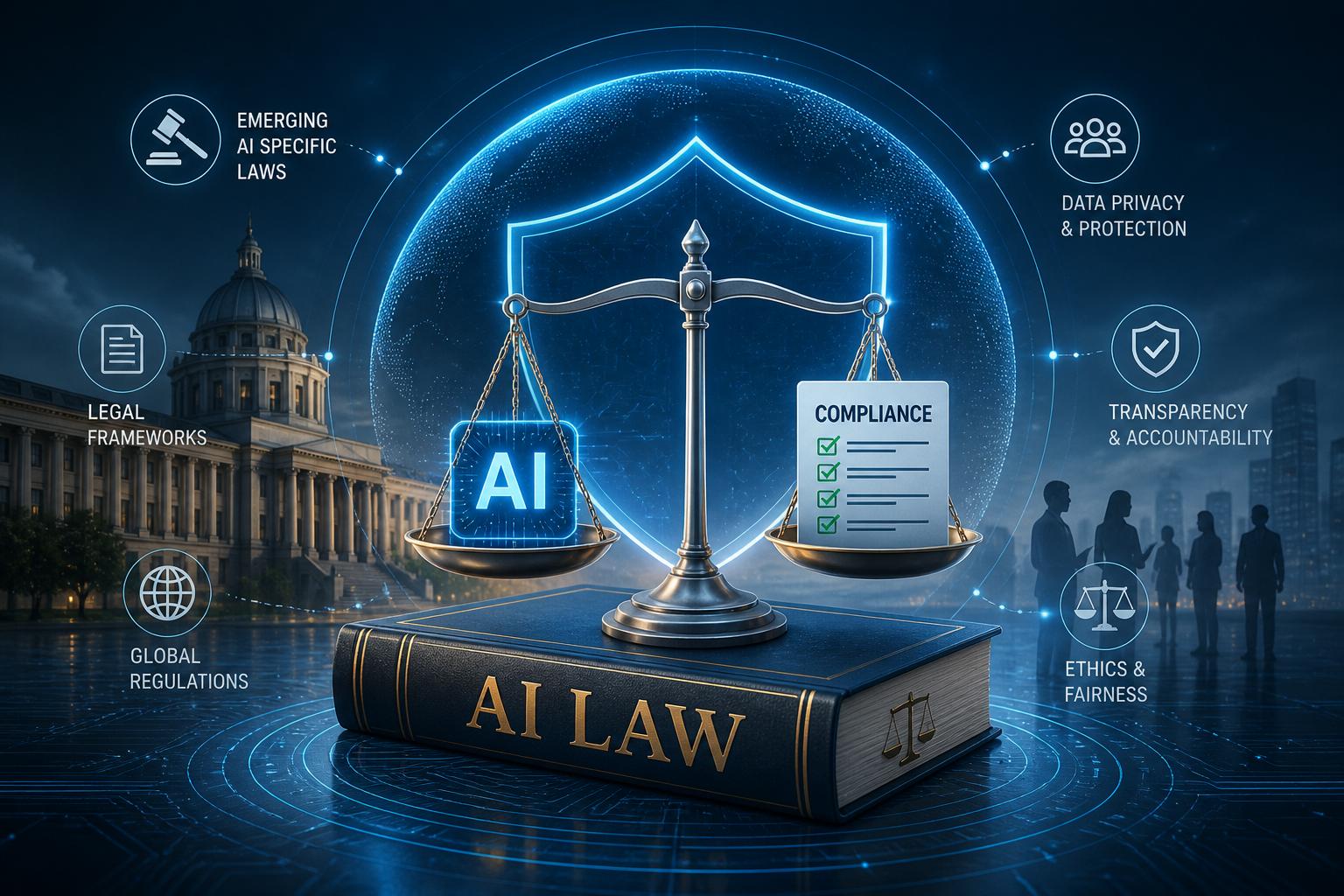
New Laws focus on the AI System Itself
Newer AI laws go beyond the data an AI system uses. They look at the system’s purpose, the level of risk it createsand the effect it may have on people. The European Union’s AI Act is a prominent example, with different requirements for prohibited practices, systems with transparency obligationsand higher-risk uses. In the United States, Colorado’s law addressing automated decision-making technology focuses on consequential decisions in areas such as employment, housing, lending, insurance, health care, educationand public benefits.
The underlying principle is straightforward: the more an AI system can affect someone’s rights, opportunities, or access to essential services, the more care is expected from the organization using it.That can mean classifying the use case, keeping records about how the system is intended to work, testing for foreseeable problemsand giving people useful information when AI is involved in a decision that affects them.
How is AI regulated in practice? Often through a shared responsibility between the people who develop a system and the organizations that deploy it. Developers need to provide enough information about a tool’s intended use,known limitations,and safeguards. Deployers need to assess whether that tool is appropriate for the setting in which they plan to use it. A system that might potentially be reasonable for drafting internal summaries, for example, deserves much closer scrutiny if it helps determine whether someone gets hired, approved for credit, or receives public benefits.
Risk Management Is Ongoing
AI compliance is not a one-time checklist completed before launch. risks can change when a model is updated, connected to another system, used by a new group of employeesor applied to a different type of decision. Organizations should review systems throughout their lifecycle and keep track of what they tested, what limitations they identifiedand what changes were made over time.
Risk reviews should cover more than technical performance. Depending on the use case, teams may need to consider privacy, discrimination, security, safety, misinformationand the possibility that users will place too much trust in an automated output. Testing should reflect real-world conditions as closely as possible, especially when the system will be used in high-impact settings.
Transparency matters for the same reason. People affected by an AI-supported decision should be able to understand, in practical terms, what role the system played and how they can seek review when appropriate.Public explanations do not need to reveal proprietary details, but they should be honest about the system’s purpose, its meaningful limitsand whether automated decision-making is involved.
Building a Practical Compliance Program
A useful AI compliance program starts with clear ownership. Someone needs to connect legal, privacy, security, procurement, data governanceand product decisions before an AI tool reaches customers or employees. Organizations should also maintain a working inventory of their AI use cases, including third-party tools, the data each tool receives, the decisions it influencesand the people who might potentially be affected.
For higher-impact uses, a short, documented review process can make a significant difference. The review should cover the business purpose, the information going into the system, the expected users, known limitations, vendor responsibilitiesand the safeguards needed before deployment. Particular care is warranted when AI affects employment, credit, housing, education, health care, insuranceor access to crucial services.
- Review high-impact AI uses before deployment and after material changes.
- Test for accuracy,bias,privacy exposure,and unsafe or inappropriate outputs.
- Set clear procedures for reporting incidents, complaintsand questionable results.
Policies only matter when people can use them in their day-to-day work. Employees who buy, build, configureor rely on AI tools need guidance that fits their role. Organizations should also monitor for problems such as unexpected data use, recurring complaints, model drift, or changes introduced by a vendor. when an issue arises, the response may include pausing the affected use, investigating what happened, correcting the problemand documenting the outcome.
Conclusion
AI law will continue to evolve, but organizations do not need to wait for every jurisdiction to adopt a detailed AI statute. Strong privacy practices, clear ownership, thoughtful risk reviews, honest disclosures, and meaningful human oversight are already a sensible foundation. The goal is not to treat every AI tool as inherently dangerous. It is to use AI with enough care that innovation does not come at the expense of people’s privacy, rightsor ability to challenge an unfair outcome.
AI tools built by Emerald Force
Built and supported by Emerald Force.
You might also like
- System Prompts: Rules That Govern AI Behavior
- AI Can Draft Books, but Humans Still Make Them Great
- How AI Reviews Code: Bugs, Tests, Style, and Security
- How AI Is Regulated: From Privacy to AI-Specific Laws
- AI Agent Memory: Goals, Preferences, and Past Steps
Value Lock-In: How AI Can Entrench Narrow Values
- Trust AI for Speed-Verify High-Stakes Facts
Can AI Write Essays? Risks, Accuracy, and School Rules
- How Generative AI Creates Art From Prompts and References
- How Privacy Laws Shape AI Data and Decisions