
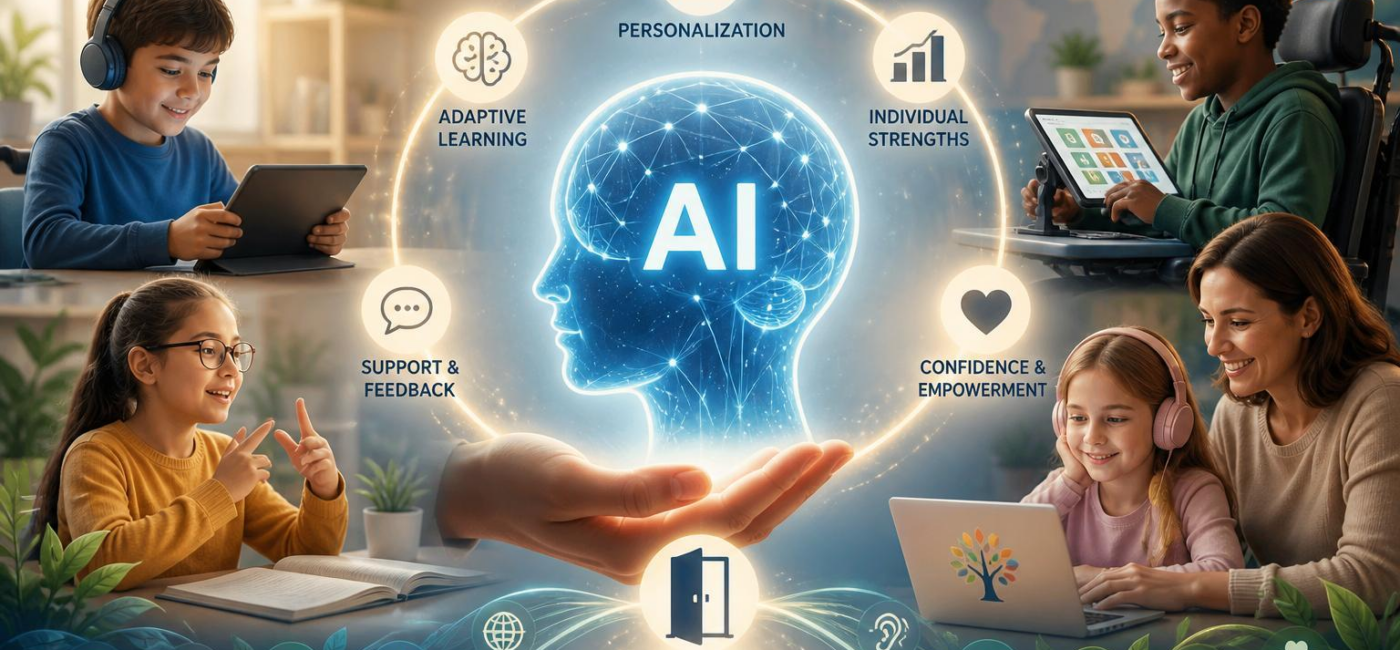
Can AI support special education? It can-when it is indeed used carefully and kept in the right role. The moast helpful tools can offer more personalized practice, make materials easier to accessand explain ideas in different ways. But they are not a substitute for teachers, specialists, familiesor the student’s own voice. Good special education is still built on relationships, professional judgmentand clear goals.
Personalized Learning,Wiht Teacher Guidance
Students do not all need the same amount of practice,the same pace,or the same kind of prompt. An adaptive tool may help teachers notice when a student is struggling with decoding, for exampleand offer shorter passages, repeated practiceor audio support. Another student working toward the same standard may be ready for more complex vocabulary or fewer reminders.
That kind of adjustment can be useful, especially when it gives educators a clearer picture of what is working over time. Still, the tool should not make instructional decisions on its own. A suggested next activity may look appropriate on screen but be frustrating,inaccessible,or simply uninteresting for a particular student. Teachers, specialistsand families need to decide whether the support fits the student’s IEP goals, preferencesand current needs.
Students should have choices, too. They may prefer to type instead of speak, listen instead of read independently, select a topic that interests themor take a break before trying again. Personalization works best when it responds to the learner as a person-not just as a set of data points.
More Ways to Access the Same lesson
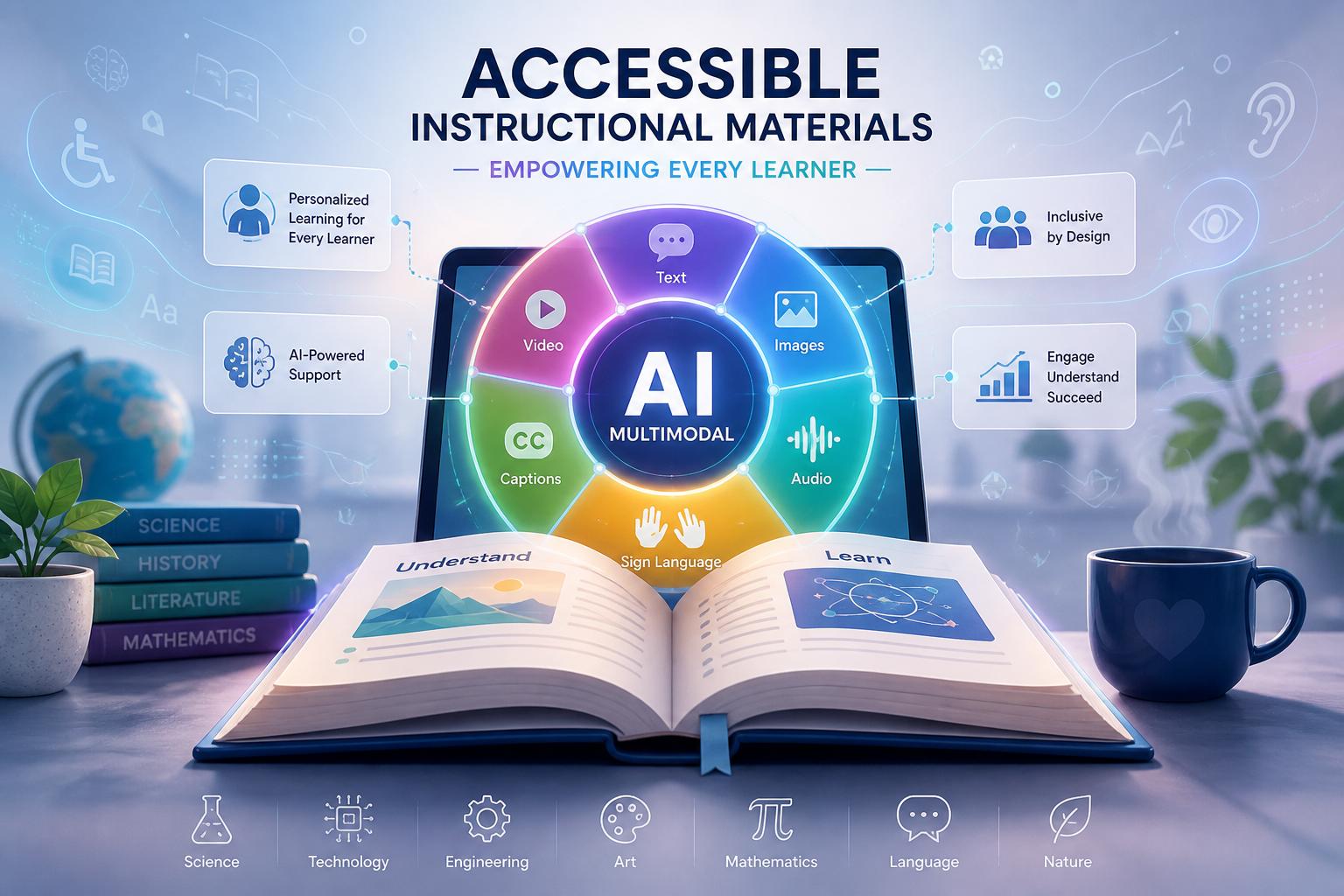
AI can also help make instructional materials more flexible. A classroom handout might be paired with text-to-speech, captions, a plain-language summary, translated vocabulary support, image descriptionsor a visual organizer. The lesson itself does not need to change; the path into it can.
For a student who becomes tired when reading dense text, listening while following along may make the material more manageable. A student who benefits from visual information may better understand a science concept through labeled images and a brief spoken description.Others may need alternatives for showing what they know, such as speech-to-text, typingor selecting images.
These supports need a human review before they reach students. AI-generated summaries can leave out crucial details,image descriptions may miss context,and translations may not match the language used in class. the better starting point is a specific barrier: difficulty decoding, language processing, attention, motor accessor sensory needs.From ther, educators can choose a support that improves access without quietly lowering expectations.
Privacy Is Part of Good Support
Special education records can include highly sensitive information,including learning plans,disability-related documentation,assessment results,dialog needs,and behavioral observations. Any AI tool that handles that information deserves careful review before it is indeed used.
Schools should collect only the information needed for a clear educational purpose and be able to explain,in plain language,how that information is stored,shared,and protected. Staff should know who has access to student data, how long it is retained, whether a vendor can use it to improve its own systemsand how a record can be corrected or removed when appropriate.
- Limit access to staff members who need the information.
- Review vendor agreements for restrictions on selling,advertising with,or sharing student data.
- Give families clear notices and follow consent requirements where they apply.
- Revisit tools regularly for privacy concerns, inaccurate outputsand bias.
Personalization should not come at the cost of a student’s privacy. If a school cannot explain how a tool handles identifiable student information, it should not use that tool for sensitive work.
Use AI With Clear Expectations
Whether AI helps or harms often depends on how adults introduce it. Teachers need practical guidance, not just a reminder to “use AI responsibly.” They should know how to review an AI-generated reading support, adjust its language, spot an inaccurate responseand decide whether a tool is helping a student participate more independently.
Training should connect AI use to everyday special education practice: IEP goals, accommodations, classroom routines, accessibility needsand family communication. It should also address the limits of automated suggestions. A tool can flag a pattern or offer an choice explanation, but it cannot replace an educator’s observation or make a high-stakes judgment about a student.
Schools benefit from shared standards for approving tools, documenting their useand raising concerns when something is not working. Special educators, general educators, related-service providers, studentsand families should all have a place in those conversations. A promising tool may still need different settings, extra supportor a different approach altogether for an individual learner.
Keep the Student at the Centre
AI can support special education by making learning materials more accessible, offering additional ways to practiceand helping teachers respond to patterns they might or else miss. Its value,though,depends on thoughtful use. The goal is not to automate special education or make students fit a system.It is indeed to give each student more meaningful ways to learn, communicateand take part in school.
When schools protect privacy, review tools carefullyand keep professional judgment at the center, AI can be one more support-useful, flexibleand always guided by the people who know the student best.
AI tools built by Emerald Force
Built and supported by Emerald Force.
You might also like
- AI Can Build Websites: From HTML to Backend Scaffolds
- AI Voice Scams Are Rising: Why Verification Matters
- Letting AI Run Terminal Commands: Essential Safeguards
- AI Lowers Routine Costs, but Expertise Still Decides
- AI Agents Today: Useful but Still Need Oversight
- How AI Enables Robots to Perceive, Plan, and Interact
- Retrieval-Augmented Generation: A Clear Guide
- Why Smaller Tuned Models Win Focused AI Tasks
- Protect Family From AI Scams: Verify Before Paying
- Will AI Become Conscious? No Evidence So Far