
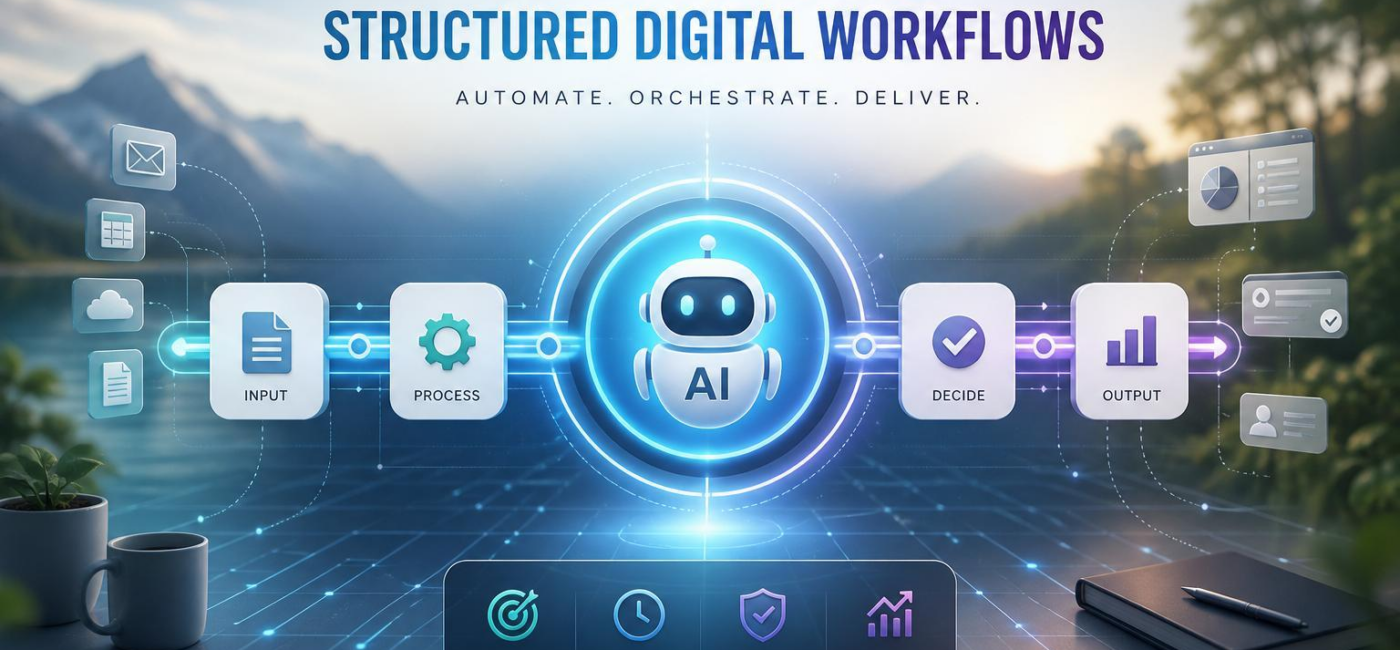
The best current use for AI agents is not open-ended problem-solving. It is indeed structured, repetitive digital work with clear rules, reliable dataand an easy way for people to review the result. When a process has defined inputs, predictable stepsand sensible escalation points, an agent can take care of much of the routine work without taking over decisions that require judgment.
Data entry and Record Management
AI agents work well when information arrives in familiar formats and needs to land in the right place. They can read forms, emails, invoicesand request documents; pull out the relevant details; and prepare records for review or entry into a business system. The benefit is not just faster data entry. It is more consistent handling when volumes increase or information comes in through several channels at once.
For example, an agent can check whether required fields are missing, compare values with approved formats or reference listsand spot likely duplicate records.When something does not fit the rules,it can send the case to a person rather than guessing.
The same approach helps with record management.An agent can classify documents, apply naming conventions, attach files to the right case, and maintain a record of updates. People should still handle unclear documents, policy exceptionsand decisions with legal or financial consequences. But for routine administrative work, agents can make records easier to find, follow, and trust.
Customer Support Triage
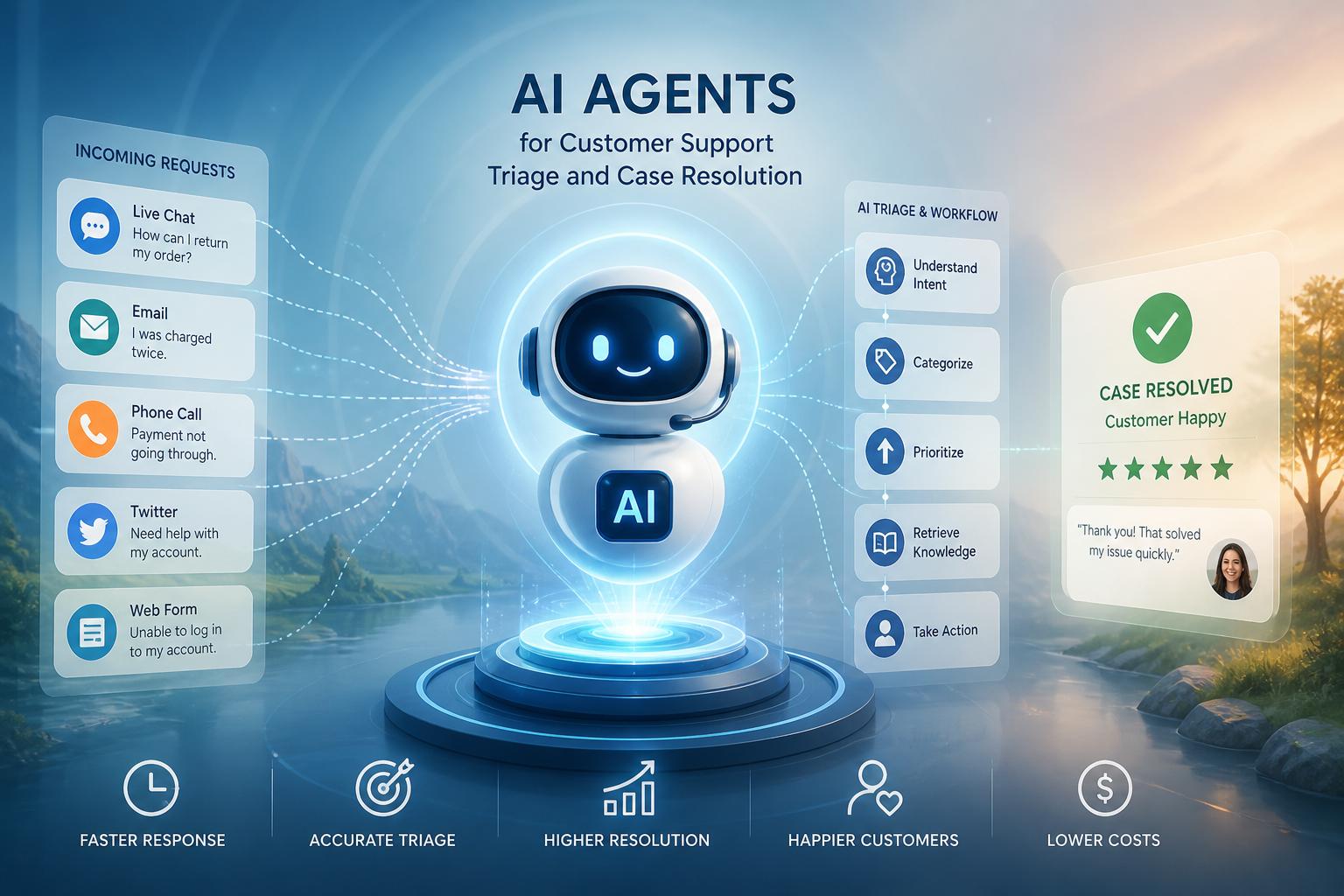
Many support requests do not need an expert response right away. They need to be understood, categorizedand sent to the right place. An AI agent can read an incoming message, identify the product or account involved, assess whether the issue is urgentand collect missing details before the ticket reaches a support specialist.
For straightforward cases, it can follow approved steps: check an order status, help reset access, explain a billing changeor point the customer to the relevant help resource. The boundaries matter.Sensitive requests, unusual situationsand cases where the agent is not confident should go to a person with the background already gathered.
That makes the handoff more useful. Instead of a blank ticket,the specialist receives a short summary,the customer’s details,the actions already taken,and any unanswered questions. The agent is not replacing customer-service judgment; it is handling the predictable first steps so people can focus on the conversations that need them most.
Document, Reportingand Compliance Work
Document-heavy processes are often a good fit for AI agents because the work usually follows a repeatable pattern: extract information, check it against a policy, route exceptionsand keep a record of what happened. An agent can review incoming invoices, contracts, claimsor forms, identify missing or inconsistent details, request clarificationand send a completed record to the correct system.
That is different from simply summarizing a document.In a well-defined workflow, the agent can carry a task through several connected steps while following established rules and leaving a clear trail behind it.
Reporting and compliance tasks can benefit in much the same way. An agent may gather data from approved sources, prepare recurring reports, flag unusual changes for reviewand organize supporting evidence. It can also draft plain-language explanations of figures, provided the underlying numbers remain available for a person to check. Final decisions, legal interpretation, and material exceptions should remain with accountable staff.
Keeping Work Moving
AI agents are most reliable when a workflow already has defined steps, accessible digital recordsand clear rules for when to escalate. In that setting, an agent can monitor incoming requests, gather information from connected systems, check it against business rules, prepare the next stepand record its actions.
It can route a request to the correct team, flag an overdue task, identify a missing approvalor compare records across systems to find incomplete information. It can also prepare a decision summary that shows the evidence behind a recommendation. Those are practical forms of operational support because the work remains visible and reviewable.
For this reason, structured repetitive digital workflows with clear rules, good dataand easy human review remain the strongest use case for AI agents. Give them routine work with clear guardrails, keep people involved where ambiguity or risk appearsand they can help processes run with fewer delays and fewer avoidable mistakes.
AI tools built by Emerald Force
Built and supported by Emerald Force.

You might also like
- Protect Family From AI Scams: Verify Before Paying
- Will AI Become Conscious? No Evidence So Far
- Where AI Agents Excel: Structured Digital Workflows
- How AI Strengthens Finance Teams and Reporting
- Can AI Fake Photos? How Synthetic Images Look Real
- AI Handles Routine Service; Humans Handle the Rest
- How AI Can Scale and Tailor Misinformation
- AI Helps Both Sides: Security Choices Decide
- Few-Shot Prompting: Learning from a Few Examples
- Inference Cost: The Compute Behind Model Outputs