

Creators can use AI ethically without treating it as a secret or handing it the final say. The basic approach is straightforward: disclose meaningful AI use, respect licenses and consent, avoid misleading peopleand keep human judgment in the process from start to finish. The right level of disclosure will vary by project, but the goal stays the same: give people an honest sense of how the work was made.
Be clear about AI’s role
People should be able to understand what AI contributed before they make assumptions about the work. That does not meen publishing a technical log for every project. It does mean using plain language when AI played a meaningful role in the final result.
A short note can frequently enough do the job. If AI was used to brainstorm ideas, clean up a transcriptor catch typos, a disclosure might potentially be needless unless your audience reasonably expects or else. If it generated an image, rewrote substantial passages, created a voiceoveror shaped the structure of a video, readers and viewers deserve more context. “AI-assisted editing” is clearer than saying a project was “enhanced.” For a generated image, something like “AI-generated visual, reviewed and revised by the creator” tells people what they need to know without dismissing the creator’s work.
Disclosure is not a substitute for responsibility. Someone still needs to decide whether the material is accurate,fair,appropriate,and ready to publish. For team projects, agree on the language before release so captions, credits, bylinesand project notes all tell the same story. Keeping a simple record of the process also makes it easier to answer questions later, rather than trying to reconstruct what happened after the fact.
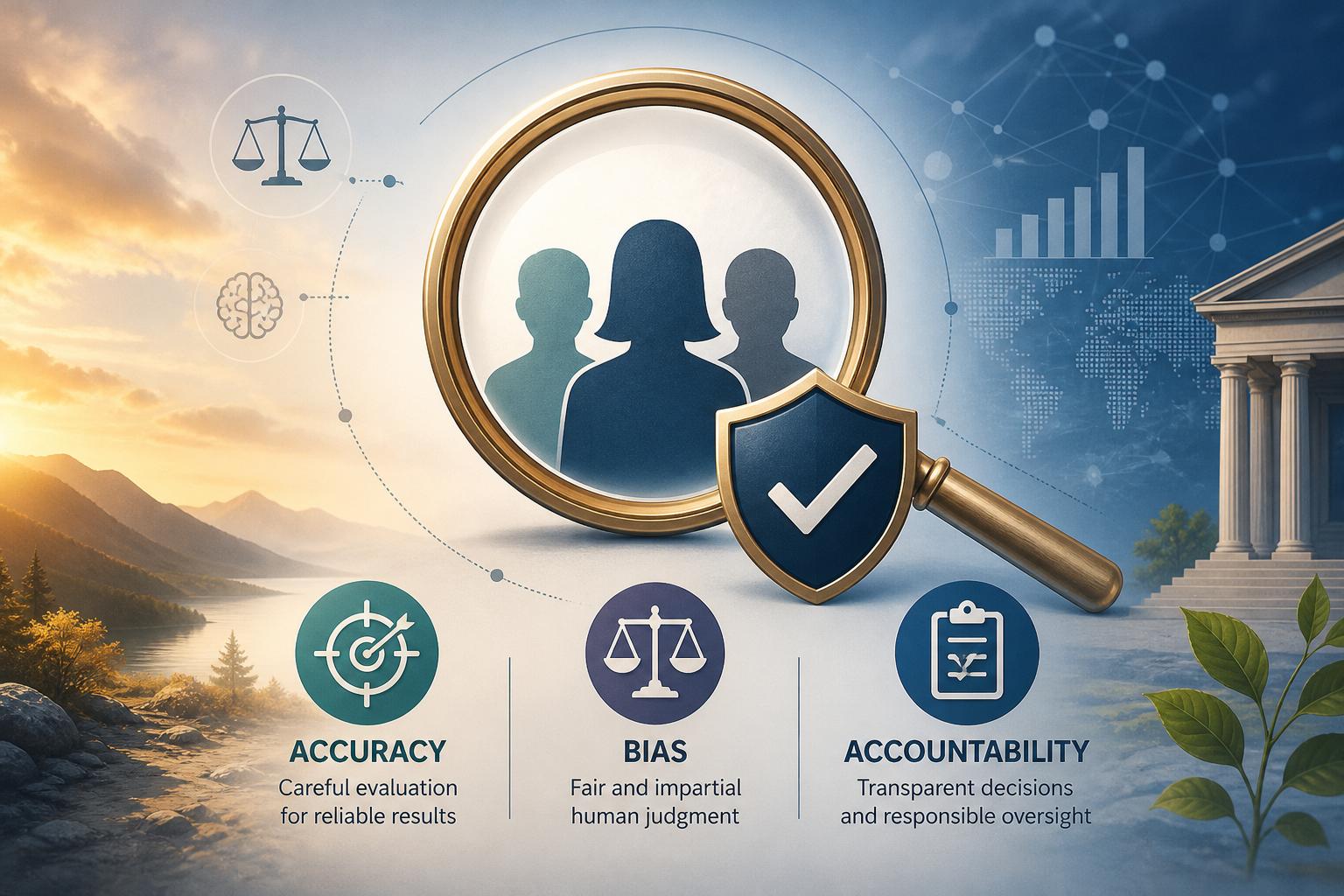
Put human review frist
Human review should be more than a final glance before clicking publish. AI can produce polished language that is wrong, incompleteor misleading.Before sharing AI-assisted work, check factual claims against reliable sources, read quotations in their original contextand confirm names, dates, placesand events. Pay attention to subtler issues, too: loaded language, stereotypes, missing perspectivesand statements that sound certain without real support.
If you cannot verify a claim, remove it, qualify itor make clear that it is an opinion. That standard matters even more for work involving health, finance, law, public safety, identityor current events. In those cases,it might potentially be wise to involve someone with relevant subject knowledge before publication.
It also helps to leave a basic review trail. Note what was checked, what was changedand who gave final approval. This does not need to become a complex approval system. It is indeed simply a way to make accountability real when an error, correctionor audience question comes up later.
Respect rights, consentand credit
AI does not remove a creator’s responsibility for the material they publish. Before using generated text, images, audio, codeor video, consider the source material involved and whether you have the right to use it. Treat a client’s unpublished draft, a private interview, a paid courseor another artist’s work with the same care you would use in any other editorial or creative handoff.
Consent should be specific and informed, especially when identifiable people, confidential dataor commissioned work is involved. Do not upload private audience data or client material to a public AI tool without permission. If you are unsure what a tool does with submitted content, pause and check before proceeding.
Attribution is also part of being honest with your audience. If someone’s reporting, expertise, images, ideasor research materially shaped the finished work, credit them. Review AI summaries against the original sources rather than assuming they are complete or accurate. And never present invented citations, fabricated quotationsor synthetic images as genuine records of real events.
Set expectations with a simple policy
A clear policy gives audiences, clients, and collaborators a practical reason to trust your work. They do not need a detailed explanation of every tool you use. They do need to know where AI had a meaningful role and where human judgment remained in charge.
Place disclosures near the work when they could affect audience expectations, rather than burying them on an about page. Explain your boundaries in ordinary language: what kinds of AI assistance you may use, what you will not use it forand how final work is reviewed. Clarity is not an apology for using AI. It shows that you respect the people receiving the work.
A useful policy can be short: AI-assisted material is identified when appropriate; human review happens before publication; private information is not entered into public tools without permission; and mistakes or unclear disclosures are corrected openly. the policy should reflect how you actually work,not make promises you cannot keep.
Ethical use comes down to judgment
There is no single label or checklist that makes AI use ethical on its own. Creators earn trust through the choices they make: being open when AI changes the nature of the work, checking what the tool produces, respecting other people’s rightsand taking responsibility for the final result. AI can be part of a creative process, but the creator should remain accountable for what reaches the audience.
AI tools built by Emerald Force
Built and supported by Emerald Force.
You might also like
- Can AI Fake Photos? How Synthetic Images Look Real
- AI Handles Routine Service; Humans Handle the Rest
- How AI Can Scale and Tailor Misinformation
- AI Helps Both Sides: Security Choices Decide
- Few-Shot Prompting: Learning from a Few Examples
- Inference Cost: The Compute Behind Model Outputs
- How to Benchmark Tools Before Buying: A Practical Guide
- Can AI Remove Backgrounds? A Proven Vision Use Case
- How AI Clusters Customer Feedback and Detects Sentiment
- AI Center of Excellence: Standards and Adoption