
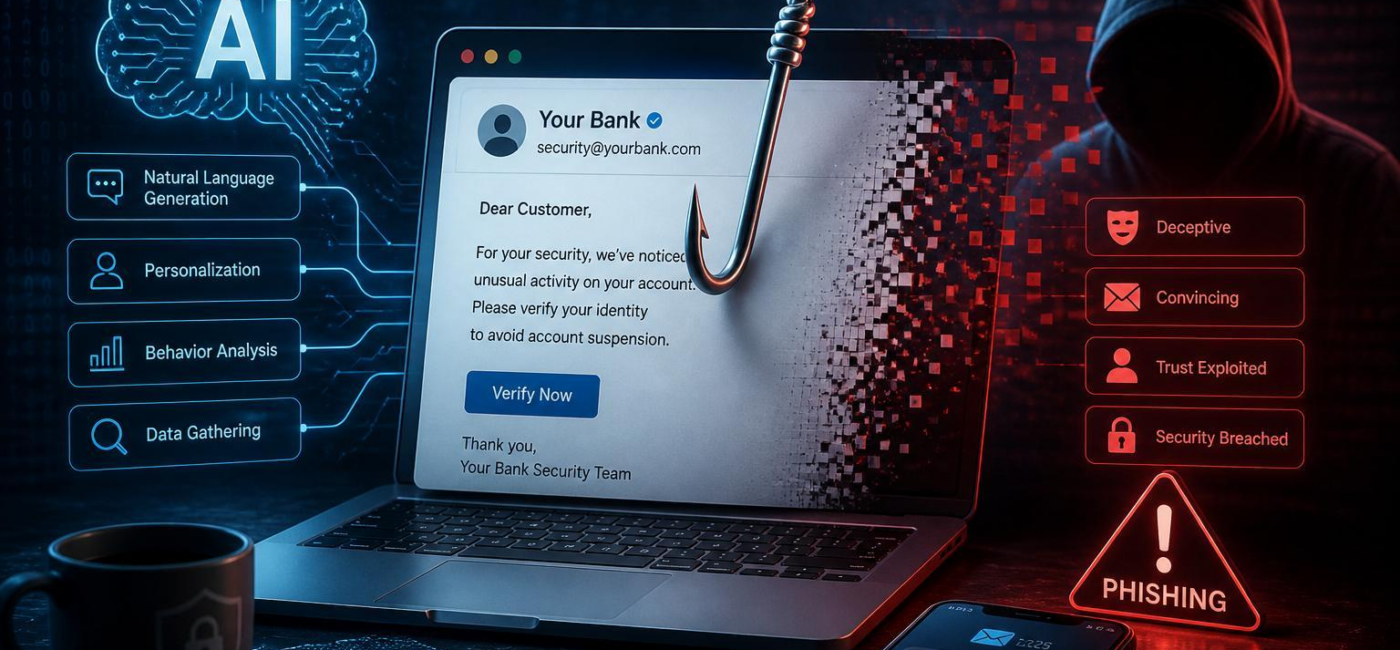
AI-enabled phishing is phishing made more convincing with AI-written messages, translation, personalizationand, in certain specific cases, synthetic voices or images. The goal is still familiar: get someone to click a link,share a password or code,open a file,or send money. What has changed is how believable the request can sound.
How AI makes phishing messages more believable
phishing emails used to be easier to spot. Many were generic, poorly writtenor full of obvious mistakes.Generative AI can help scammers produce cleaner messages in seconds and tailor them to a person’s role, industry, locationor publicly visible activity.
A finance employee might receive what looks like a routine question about an invoice.An executive may get a polished note that appears to come from a colleague.The language can be adjusted for different regions, translated more naturally, and rewritten in several versions so the messages do not all look alike.
AI can also make an impersonation feel more familiar. someone may use public posts, press releasesor other writing samples to mimic a manager’s tone or a vendor’s style. That does not make every message elegant, but it can make a rushed reader less likely to question it. The warning signs are often in the request itself: an unexpected payment change, a login prompt, an unfamiliar attachmentor pressure to act instantly.
When a familiar voice is not enough
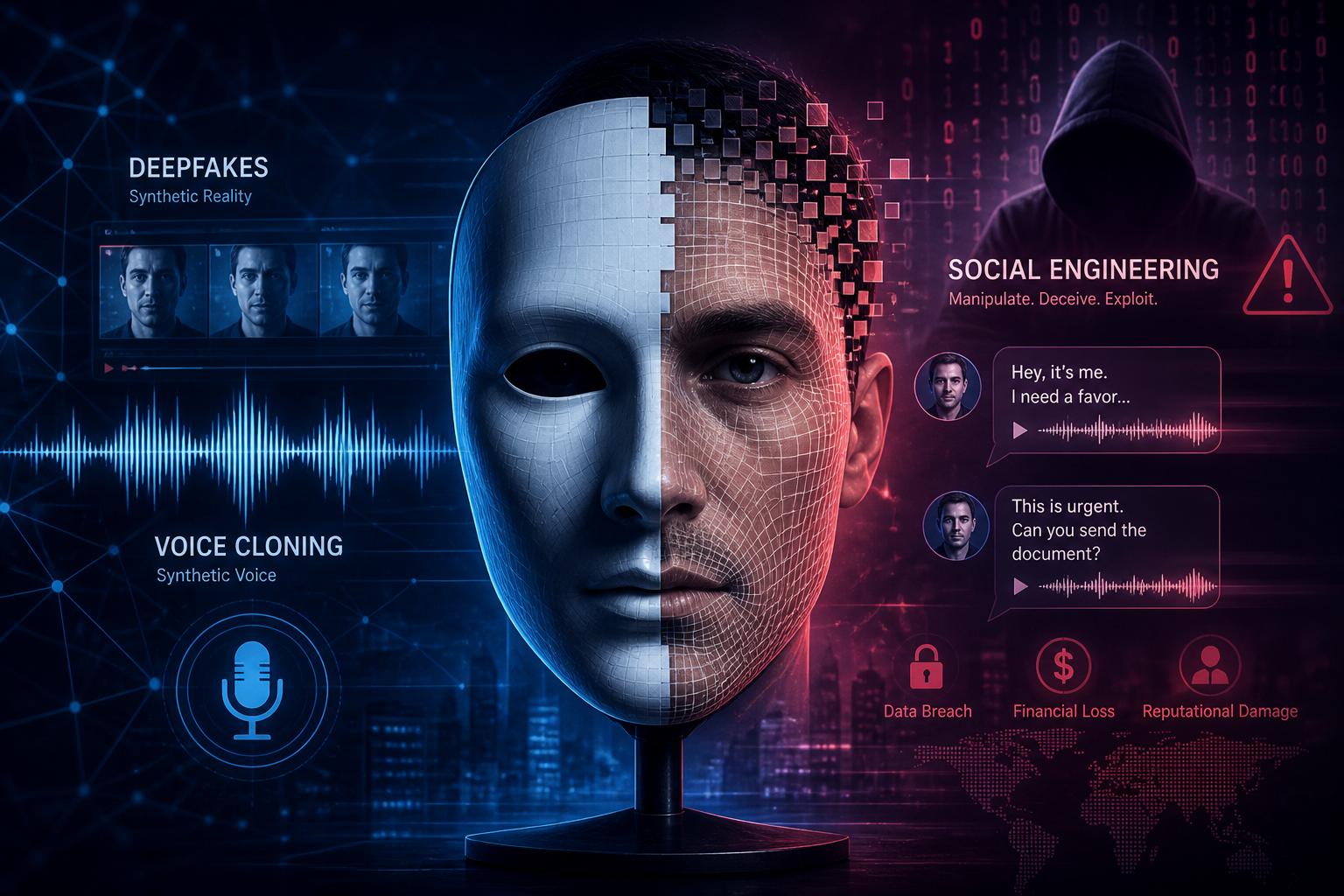
Deepfakes and voice cloning add another layer to social engineering attacks. Rather of relying onyl on an email, a scammer may leave a voice message or place a call that seems to come from a manager, vendor, family memberor support representative.
A short, urgent request can be especially effective: send a payment, share a login code, reset an accountor open a file before a meeting. Video can create the same pressure in a virtual call by making it appear that an executive or colleague is speaking directly to you.
The problem is not that every fake voice or video is flawless. It only needs to seem real long enough for someone to act without checking. A familiar voice is no longer proof of identity. If a request involves money, credentials, verification codes, or sensitive files, confirm it through a separate, trusted channel. Call a known number, start a new internal chator speak to the person directly rather then replying through the original message.
What to look for
AI-assisted phishing can be polished, personaland free of the spelling mistakes people once associated with scams.A message may use your name, reference a real companyor sound remarkably close to the way a coworker writes. That polish is not evidence that it is indeed legitimate.
Focus on what the sender wants you to do. Be cautious when a message asks you to reset a password, review a shared document, change payroll details, purchase gift cards, send a payment, or act before a vague deadline. Check the full sender address rather than the display name, and inspect links before opening them. A familiar-looking name can hide a misspelled domain or an unrelated reply-to address.
It also helps to notice how the message reacts to resistance.A real bank, support teamor coworker should not object to a reasonable verification step.A phishing attempt frequently enough tries to keep you in its chosen channel,pushing you to click,reply privately,share a one-time code,or make a payment before you have time to check.
How to reduce the risk
the best defense is a simple habit: independently verify unexpected requests. Do not trust a message just becuase it is well written, personalized, or sounds like someone you know. Use a bookmarked website, a published phone numberor a separate conversation to confirm what is being requested.
- Check full email addresses and link destinations before clicking.
- Use multi-factor authentication, ideally with an authenticator app or security key.
- Keep browsers, email software, and devices updated.
- Report suspicious messages so others can avoid the same scam.
Good account habits limit the damage if a phishing attempt succeeds. Use unique passwords stored in a reputable password manager, review sign-in alertsand make sure recovery settings for vital accounts are current. At work,build verification into everyday processes: payment-detail changes,urgent transfers,and requests for sensitive files should receive a second check from a trusted source.
AI can make a scam sound more human, but it cannot make an unusual request legitimate. A brief pause to verify can prevent a costly mistake.
AI tools built by Emerald Force
Built and supported by Emerald Force.
You might also like
- Can AI Fake Photos? How Synthetic Images Look Real
- AI Handles Routine Service; Humans Handle the Rest
- How AI Can Scale and Tailor Misinformation
- AI Helps Both Sides: Security Choices Decide
- Few-Shot Prompting: Learning from a Few Examples
- Inference Cost: The Compute Behind Model Outputs
- How to Benchmark Tools Before Buying: A Practical Guide
- Can AI Remove Backgrounds? A Proven Vision Use Case
- How AI Clusters Customer Feedback and Detects Sentiment
- AI Center of Excellence: Standards and Adoption