

As AI becomes part of more everyday jobs, the question is not simply who can use the latest tool. It is what people bring to the work that a tool cannot replace on its own. The skills that matter most in the AI era include domain expertise, sound judgment, clear dialog, data literacy, and the ability to work effectively with AI tools. Technical confidence helps, but knowing when to question an answer, explain a decisionor step back from automation matters just as much.
Think Critically About AI Output
AI can produce polished answers, convincing summariesand recommendations that sound certain. That does not make them correct. Good judgment begins with a few basic questions: Where did this data come from? What assumptions are behind it? Is it current? What might be missing?
AI literacy means using generated output as a starting point, not a final answer. Ask for sources when they would help, but do not assume a citation is accurate just as it appears in the response. For crucial decisions, check reliable primary information, compare perspectivesand bring in someone with relevant expertise when needed.
It also helps to understand the limits of the tools. An AI system may misunderstand a vague request, reflect gaps or bias in its training dataor give a plausible answer when it should say it is indeed uncertain. The human role is to define the real problem, consider the people affected, test the reasoningand own the final decision.
Read Data With Context
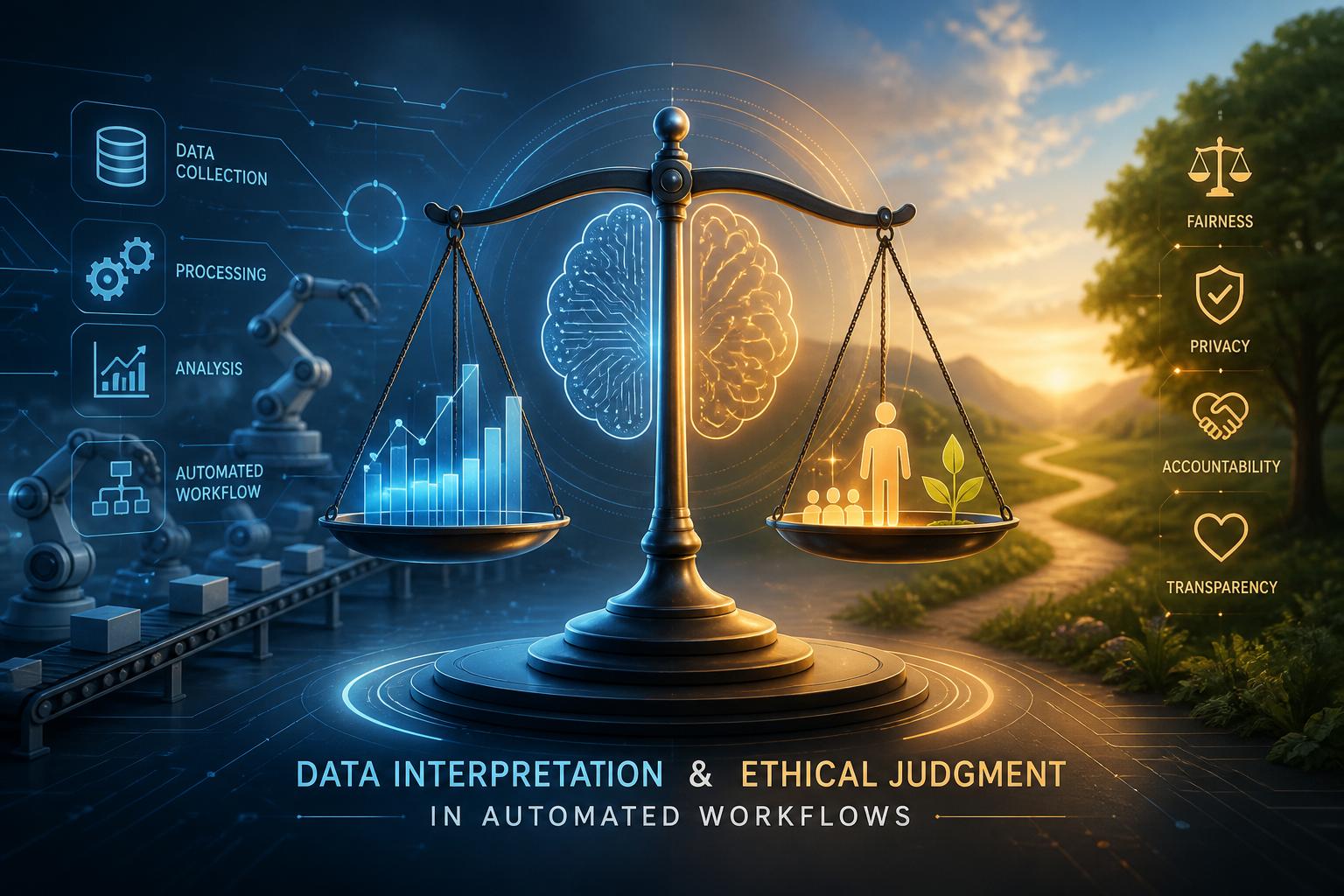
Automated systems can sort information, flag patterns, summarize documents, and make recommendations. They cannot decide what a result means in the real world. That part still requires people who understand the data, the situationand the consequences of acting on it.
Data literacy is not just knowing how to read a chart or spreadsheet. It means asking who collected the data, why it was collected, what is absentand whether the numbers actually support the conclusion.A neat score or dashboard can create a false sense of certainty, especially when the underlying information is incomplete or poorly matched to the decision at hand.
Ethical judgment belongs here, too. Before automating a process,consider who benefits,who carries the risk,and whether a person can question or correct the outcome. Automating meeting-note summaries is very different from using a system to screen applicants,evaluate students,or influence access to benefits. In higher-stakes situations, meaningful human review, clear accountabilityand a way to appeal or fix errors are essential.
Keep Learning as Work Changes
Jobs are changing unevenly.Some tasks that once took hours can now be drafted or organized quickly, while new work appears around reviewing outputs, setting standards, protecting qualityand making decisions that should not be handed over to software.
Adaptability does not mean chasing every new platform. It means being willing to test a tool on a real task, assess whether it actually helpsand change course when it does not. The most useful skills tend to travel well: writing clearly, framing a problem, evaluating sources, understanding a field deeplyand making responsible decisions.
Learning also sticks better when it is tied to the work in front of you. A marketer may need to assess whether AI-assisted copy is accurate and sounds like the brand. An analyst may need to compare an automated summary with the underlying data. A manager may need to decide what team members can share with a tool and what must remain private. Small experiments, careful notesand honest feedback are often more useful than collecting credentials without applying them.
Communicate Clearly and Work Well With Others
Using AI well is partly a communication skill. Better results usually come from explaining the goal, the audience, the constraintsand what a useful answer should include. But prompting is only one piece of the work. People also need to ask follow-up questions, spot gapsand decide whether the result is ready to use.
Clear communication matters even more when AI is part of a team workflow. Colleagues should know when a draft, analysisor recommendation was generated with AI assistance, what was checked, and who is responsible for the final version. That kind of openness makes it easier to catch errors and maintain trust.
Strong teams do not treat AI as a replacement for discussion. They use it to move routine work along, then bring human knowledge and perspective to the parts that require judgment. Plain language, respectful disagreementand a willingness to say “we do not know yet” are still valuable-perhaps more so when fast answers are readily available.
What Will Matter Most
The people who thrive in the AI era will not necessarily be the ones who use the most tools. They will be the ones who understand thier field,can make sense of evidence,communicate with care,and know when an automated answer deserves a closer look.
AI can make work faster and open up useful possibilities.It cannot remove the need for responsibility.The lasting advantage is not blind trust in the technology or fear of it-it is the ability to use it thoughtfully, question it when necessaryand keep the human purpose of the work in view.
AI tools built by Emerald Force
Built and supported by Emerald Force.
You might also like
AI Literacy: Understanding, Limits, and Responsibility
- Why AI Pilots Stall: Governance, Workflows, Trust
- How AI Can Help You Cook Smarter Every Day
- AI Disclosure at Work: Policy, Clients, and Risk
- AI Can Build Websites: From HTML to Backend Scaffolds
- AI Voice Scams Are Rising: Why Verification Matters
- Letting AI Run Terminal Commands: Essential Safeguards
- AI Lowers Routine Costs, but Expertise Still Decides
- AI Agents Today: Useful but Still Need Oversight
- How AI Enables Robots to Perceive, Plan, and Interact