

AI is changing how companies operate, but it is indeed not creating demand for one kind of worker alone. The industries most likely to keep hiring are those that need people to apply technology carefully, manage complex data, protect systemsand make sound decisions when the stakes are high. Software,data infrastructure,cybersecurity,consulting,healthcare,and othre AI-enabled service roles are all likely to offer opportunities for workers who can pair technical skills with real-world judgment.
Healthcare and life sciences
Healthcare organizations need people who can bring AI tools into clinical work without losing sight of patient safety, privacyor professional judgment. That includes clinical informaticists, health data analysts, AI governance specialists, medical coders working alongside automationand data engineers who understand the messiness of health records.
These jobs sit between medicine, operationsand technology. The work may involve organizing documentation, imaging, lab resultsand research data so clinicians and researchers can review it in context. Knowing how to use an AI tool is only part of the job. Employers will also look for people who understand where human review is necessary, how incomplete or biased data can effect outcomesand why privacy and regulatory requirements cannot be treated as an afterthought.
Life sciences companies may also need people to support clinical trial operations, safety monitoring, scientific data managementand evidence generation. in many cases, the strongest candidates will combine healthcare or research experience with data skills and the ability to communicate clearly across clinical, technical, and compliance teams.
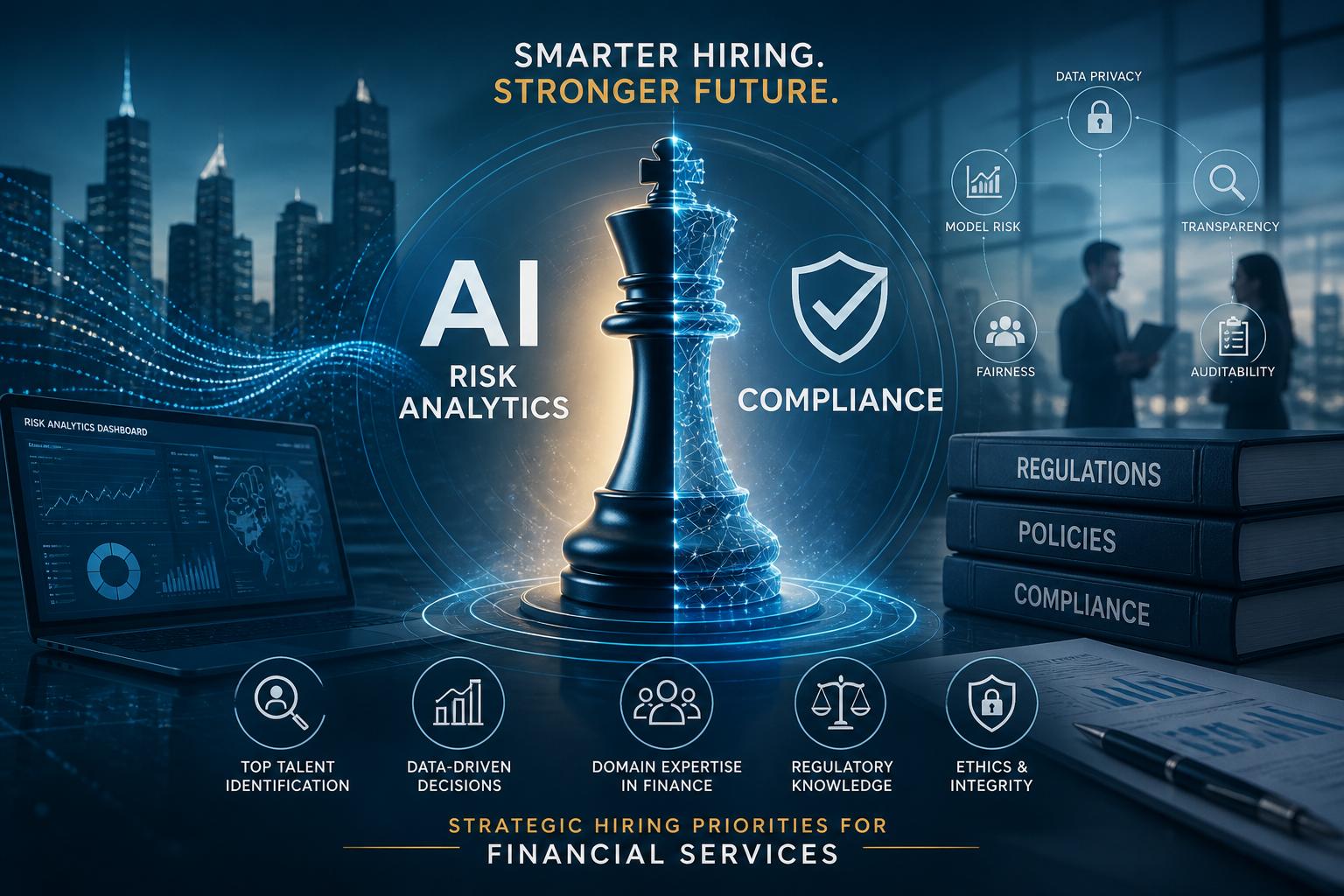
Financial services
Banks, insurers, lendersand payments companies are using AI in areas such as fraud detection, customer service, credit decisions, and transaction monitoring. That does not eliminate the need for people. It increases the need for professionals who can question automated outputs, document decisionsand make sure systems are being used responsibly.
Hiring is highly likely to extend well beyond data science. Model risk analysts, AI compliance specialists, data governance managersand fraud investigators will all have an critically important role to play. They help assess whether the data is appropriate, whether a model is behaving as expectedand whether an automated recommendation can be explained to a customer, regulatoror internal review team.
This matters most when an AI-supported decision affects someone’s credit, insurance coverage, account access, or ability to complete a transaction. Financial firms will need people who understand both the business and the controls around it. Compliance teams, legal departments, auditors, technology groupsand operations leaders will increasingly have to work together rather then in separate lanes.
Manufacturing and automation
Automation is changing factory work more than it is making people unnecessary. Machines can take on repetitive inspection, material movementand predictable assembly tasks, while workers handle setup, maintenance, troubleshooting, quality decisionsand process improvement.
That shift creates demand for automation and robotics technicians, industrial maintenance specialists, quality-control workers familiar with vision systems, and production analysts who can make sense of shop-floor data. Traditional trades will remain important, too. Employers will still need welders, machinists, electriciansand maintenance professionals, but many roles will increasingly call for comfort with sensors, automated equipmentand digital work instructions.
The best opportunities will frequently enough go to people who understand how production actually works and can adapt when equipment, schedulesor customer orders change. Technical knowledge matters, but so does practical problem-solving on the factory floor.
Education and professional services
many organizations do not need another software demo. They need help deciding where AI fits,how employees should use it,and what safeguards belong around it. That is why education providers and professional-services firms are likely to keep adding people who can teach, advise, and guide change.
Schools, universities, corporate learning teams, consultancies, accounting firms, law firmsand workforce-growth organizations may hire instructional designers, AI trainers, curriculum specialists, change managers, data-governance advisersand subject-matter experts. Their work is less about promoting a tool and more about turning broad capabilities into useful training, workable policiesand day-to-day processes.
Industry experience can be especially valuable here. A healthcare educator may help clinicians evaluate AI-assisted documentation. A legal professional may help colleagues set responsible boundaries for research and discovery. An operations consultant may help a client build review steps into an automated workflow.As AI adoption spreadsorganizations will need people who can explain what the technology can do, where it should not be trusted on its ownand who remains accountable for the final decision.
Where the hiring is likely to be
When people ask what industries will hire more because of AI, the answer is rarely “AI companies” alone. Growth is more likely to come from organizations that need to build software, maintain reliable data systems, defend against cyber threats, advise clients, deliver careand oversee high-impact decisions. The common thread is human judgment. Workers who can combine domain expertise with data awareness, clear communicationand responsible use of technology will be well positioned as these roles continue to evolve.
AI tools built by Emerald Force
Built and supported by Emerald Force.
You might also like
AI Literacy: Understanding, Limits, and Responsibility
- Why AI Pilots Stall: Governance, Workflows, Trust
- How AI Can Help You Cook Smarter Every Day
- AI Disclosure at Work: Policy, Clients, and Risk
- AI Can Build Websites: From HTML to Backend Scaffolds
- AI Voice Scams Are Rising: Why Verification Matters
- Letting AI Run Terminal Commands: Essential Safeguards
- AI Lowers Routine Costs, but Expertise Still Decides
- AI Agents Today: Useful but Still Need Oversight
- How AI Enables Robots to Perceive, Plan, and Interact