

Industries Poised for Growth AI Cybersecurity Healthcare
The relentless pace of technological innovation continues to redefine marketplace dynamics, positioning certain sectors at the forefront of economic expansion. Artificial Intelligence is revolutionizing how data is analyzed and decisions are made, enabling businesses to achieve unprecedented levels of efficiency and customization. From natural language processing to autonomous systems, AI-driven solutions are not just reshaping industries but also creating entirely new markets. Key growth drivers include:
- Machine learning advancements facilitating predictive analytics and personalized experiences
- Automation tools reducing operational costs and accelerating workflows
- AI integration in consumer products and services, enhancing functionality and accessibility
Meanwhile, cybersecurity has become indispensable as digital transformation escalates, with organizations increasingly vulnerable to complex attacks. The demand for robust security infrastructure spans all sectors,but especially financial services,critical infrastructure,and healthcare. The latest trends emphasize proactive defense mechanisms and real-time threat intelligence. Healthcare, in particular, is undergoing a profound transformation fueled by AI-enhanced diagnostics, telemedicine, and personalized treatment plans. These advances not only improve patient outcomes but also optimize resource allocation and compliance with regulatory frameworks.
| Industry | Primary Growth Driver | Impact on Market |
|---|---|---|
| AI | Advanced algorithms and automation | Expands innovation capacity and market reach |
| Cybersecurity | Real-time threat intelligence | Enhances data protection and regulatory compliance |
| Healthcare | AI-powered diagnostics and telemedicine | Improves patient care and operational efficiency |
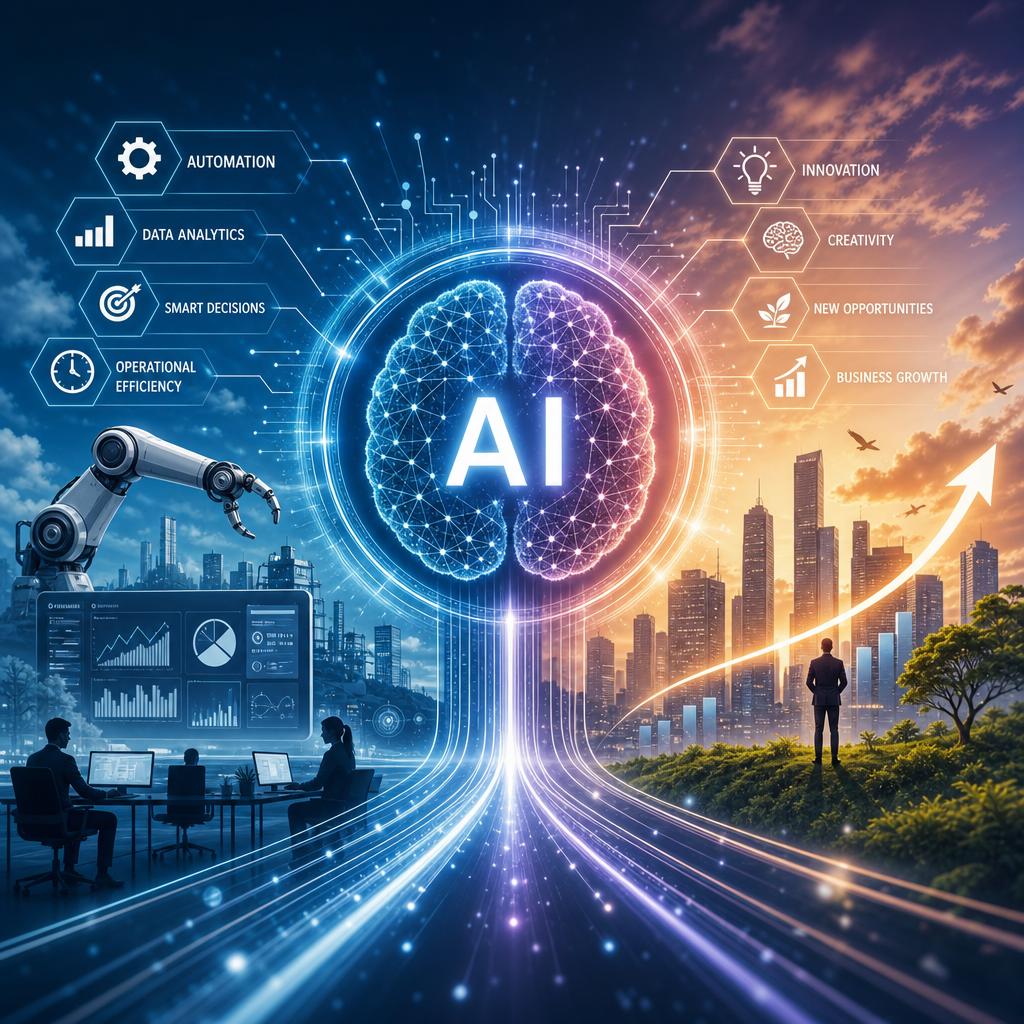
The Transformative Impact of AI on Business Efficiency and Innovation
Artificial Intelligence is revolutionizing the way businesses operate by streamlining processes and accelerating decision-making. Automation of routine tasks enables organizations to reallocate human resources toward strategic initiatives. In parallel, AI-driven analytics uncover insights from vast datasets, fostering innovation and enabling companies to stay competitive in fast-evolving markets. Key benefits include:
- Enhanced operational efficiency: AI automates repetitive workflows, reducing errors and operational costs.
- Data-driven innovation: Machine learning models identify emerging trends and customer needs.
- Improved cybersecurity: proactive threat detection through AI-powered security solutions mitigates risks.
- Personalized healthcare: AI facilitates tailored treatment plans and accelerates drug revelation.
Industries such as cybersecurity and healthcare exemplify how AI integration drives transformative growth. For instance, cybersecurity leverages AI to predict and neutralize cyber threats in real-time, raising the bar on defense mechanisms. Similarly, AI-enabled diagnostics and robotic surgery in healthcare enhance patient outcomes while optimizing operational workflows.The convergence of AI with business functions not only boosts efficiency but also ignites a culture of continuous innovation poised to reshape global industries.
Emerging cybersecurity Challenges and Strategies for Robust Protection
As technology advances, cyber threats continue to evolve in complexity, posing notable risks to both enterprises and consumers. Conventional security measures are no longer sufficient to counter sophisticated attacks such as ransomware, advanced persistent threats (APTs), and zero-day exploits. Industries must now prioritize adaptive and multi-layered defense mechanisms that incorporate artificial intelligence and machine learning to detect, predict, and neutralize threats in real time. Proactive threat hunting and continuous network monitoring have become essential strategies to identify vulnerabilities before they can be exploited.
Developing a robust cybersecurity posture also demands a thorough approach to human factors and system architecture. Organizations are investing heavily in employee cybersecurity training,implementing strict access controls,and adopting zero-trust security models to safeguard sensitive data.Below is a comparison of key strategies being implemented across industries:
| Strategy | Primary benefit | example Request |
|---|---|---|
| AI-Powered Threat Detection | Real-time anomaly identification | Financial institutions monitoring transactions |
| Zero-trust Architecture | Minimized insider risks | Healthcare systems controlling data access |
| Cybersecurity Awareness Training | Reduced human error in breach | Corporate environments enhancing employee vigilance |
- Integrative Technologies: Leveraging blockchain for secure transactions and identity management.
- Regulatory Alignment: Compliance with GDPR, HIPAA, and other frameworks to reinforce trust.
- Incident Response Planning: Establishing rapid action protocols to limit breach impacts.
Advancements in Healthcare Technology Driving Patient-Centered Care
Transformative medical devices and AI-powered diagnostic tools are drastically reshaping patient care paradigms. Innovations such as wearable health monitors and remote patient tracking enable continuous data collection, providing healthcare professionals with real-time insights that drive precision treatments tailored to individual needs. Additionally, the integration of machine learning algorithms with electronic health records streamlines decision-making processes, reducing errors and facilitating early disease detection. These advances are not only improving clinical outcomes but also enhancing patient engagement by supporting personalized health management plans.
The rise of telemedicine and digital health platforms further democratizes access to quality care, especially for underserved populations. Through virtual consultations and AI-enabled symptom checkers, patients can receive timely evaluations without the physical constraints of traditional healthcare settings. Below is a concise overview of key benefits driving patient-centric care advancements:
| Key Benefit | Impact on Healthcare |
|---|---|
| Continuous Monitoring | Improved chronic disease management |
| Predictive Analytics | Early detection and prevention |
| Virtual Consultations | Increased accessibility and convenience |
| Personalized Treatment Plans | Enhanced patient satisfaction and outcomes |