
How Artificial Intelligence Transforms Recipe Development and Customization
Artificial intelligence has revolutionized the way we approach culinary creativity by offering unprecedented precision in recipe development. Through robust data analysis and machine learning algorithms, AI can analyze vast databases of ingredients, flavor profiles, and cooking techniques to generate innovative recipes tailored to specific palates and dietary requirements.This enables chefs and home cooks alike to explore novel ingredient combinations or optimize nutrition without the trial-and-error traditionally associated with recipe creation. AI-driven tools provide benefits such as:
- personalized ingredient substitution based on availability or allergies
- Flavor harmony prediction to enhance taste balance
- Calorie and macronutrient adjustments for health-conscious cooking
Customization gains a new level of sophistication with AI’s ability to factor in timing and portion control, essential for both everyday meals and large-scale catering. Through predictive analytics and sensor integration, AI can suggest ideal cooking durations and temperature settings, ensuring consistency and perfection every time.Additionally, adaptive meal planning becomes simpler, as AI systems can generate day-by-day menus that adjust on the fly to changing preferences or ingredient stock, streamlining grocery lists and reducing food waste.
| Feature | Customary Cooking | AI-Enhanced Cooking |
|---|---|---|
| Recipe Innovation | Trial and error, intuition | Data-driven flavor and nutrition analysis |
| Customization | Manual substitutions, guesswork | Personalized ingredient and portion adjustments |
| Timing Accuracy | Approximate timing | Optimized cooking time via real-time sensors |
| Meal Planning | Fixed plans, limited flexibility | Dynamic menus adapting to preferences and inventory |
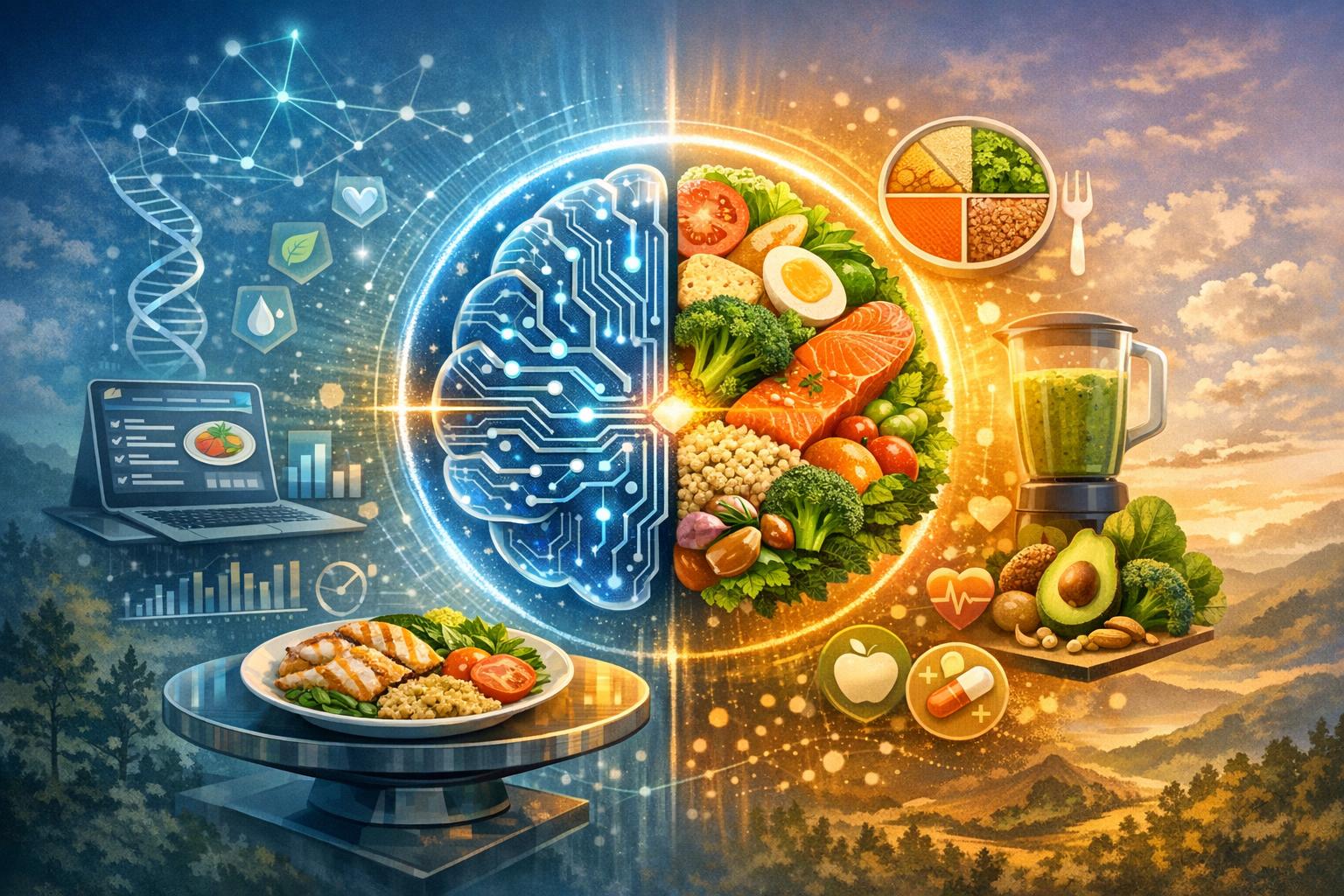
Leveraging AI for Optimal Meal Planning and Nutritional Balance
Advanced AI algorithms analyze vast nutritional databases and individual preferences to craft personalized meal plans that maximize health benefits while catering to diverse dietary needs. By integrating real-time data such as ingredient availability and caloric goals, AI can suggest balanced dishes that not only meet macro- and micronutrient requirements but also reduce food waste.This dynamic customization fosters an efficient approach to meal readiness, enabling users to maintain optimal nutritional balance effortlessly.
Key features that AI introduces to meal planning include:
- smart ingredient substitution based on dietary restrictions and pantry items
- Adaptive portion sizing tailored to activity levels and metabolic rates
- Real-time adjustment of meal timing to sync with individual circadian rhythms
- Detailed nutritional breakdowns helping to track vitamins, minerals, and caloric intake
| AI Capability | Benefit | Example |
|---|---|---|
| Personalized Recipe Generation | Enhances flavor and nutrient diversity | Low-sodium, high-fiber dinner options |
| Dynamic Meal Timing | Improves digestion and energy levels | Breakfast optimized for morning workouts |
| Ingredient Optimization | Reduces waste and costs | Substitutes almond milk for scarce dairy |
Advanced AI Techniques for Precision Timing and Cooking Efficiency
The integration of advanced AI models in culinary practices has revolutionized the way timing and efficiency are managed in the kitchen. Leveraging neural networks and real-time sensory data, AI algorithms can accurately predict the exact moment when ingredients reach optimal doneness, reducing human error and waste. These systems analyze variables such as temperature fluctuations, ingredient moisture levels, and ambient cooking conditions, enabling chefs and home cooks alike to achieve perfect results consistently.By continually learning from each cooking cycle, AI refines its timing recommendations, thus enhancing overall kitchen productivity and food quality.
Key innovations that enable this precision include:
- Machine learning-based predictive timers that adjust dynamically throughout the cooking process
- Sensor fusion techniques combining temperature, humidity, and optical data for thorough monitoring
- AI-driven scheduling that synchronizes multiple dishes, optimizing meal preparation and serving times
| AI Technique | Benefit | Impact on Cooking |
|---|---|---|
| Predictive Analytics | Reduces overcooking | Consistent texture and flavor |
| Real-Time Feedback | Immediate adjustments | Minimizes waste and energy use |
| Scheduling Algorithms | Optimal meal timing | Improved meal coordination |
Implementing AI-Driven Recommendations to Elevate Culinary Outcomes
AI-driven advice engines are revolutionizing the culinary landscape by offering precision-tailored suggestions that enhance each step of cooking.these systems analyze a user’s preferences, dietary restrictions, and even available ingredients to craft customized recipes and meal plans. by leveraging vast datasets and machine learning algorithms, AI can predict flavor pairings and optimize nutritional balance, ensuring every dish is both appetizing and health-conscious. Home cooks and professionals alike benefit from AI’s ability to suggest:
- Ingredient substitutions that maintain taste and texture
- Personalized portion sizes based on serving needs
- Step-by-step cooking adjustments aligned with skill level
Timing is a critical factor that AI tools address with remarkable precision by scheduling cooking phases and recommending multitasking strategies. With real-time monitoring and adaptive timing alerts, these systems minimize the risk of overcooking or undercooking components, leading to perfectly synchronized meals. The following table illustrates a comparison of traditional cooking versus AI-optimized timing for a three-course dinner:
| Cooking Phase | Traditional Timing | AI-Optimized Timing |
|---|---|---|
| Appetizer preparation | 25 min (fixed) | 20-25 min (adjusts to main course) |
| Main Course Cooking | 45 min | 40-50 min (adapts to ingredient variables) |
| Dessert Finalization | 20 min | 18-22 min (syncs with cooling cycles) |
this precision scheduling not only elevates the consistency of culinary outcomes but also enhances the cook’s efficiency and confidence, turning complex menus into manageable and enjoyable experiences.