

– Leveraging Machine Learning for Enhanced Climate Forecasting Accuracy
Machine learning has revolutionized climate science by enabling models to analyze vast and complex datasets with unprecedented precision.Traditional forecasting methods,ofen reliant on fixed equations and limited historical data,struggle to capture the multifaceted nature of climate dynamics. In contrast, machine learning algorithms excel at identifying subtle patterns and correlations from satellite imagery, sensor data, and atmospheric variables. This capability translates into enhanced accuracy in predicting extreme whether events, seasonal shifts, and long-term climate trends, providing communities and policymakers with critical lead time to prepare and respond.
Key benefits of integrating machine learning in climate forecasting include:
- Adaptive learning from real-time data streams for continuous model improvement
- improved detection of anomalies that precede natural disasters
- Greater spatial and temporal resolution in climate predictions
| Forecast Type | Traditional accuracy | ML-Enhanced Accuracy | Improvement |
|---|---|---|---|
| Hurricane Path Prediction | 70% | 85% | +15% |
| Seasonal Rainfall Forecast | 60% | 78% | +18% |
| Temperature Anomaly Detection | 65% | 82% | +17% |
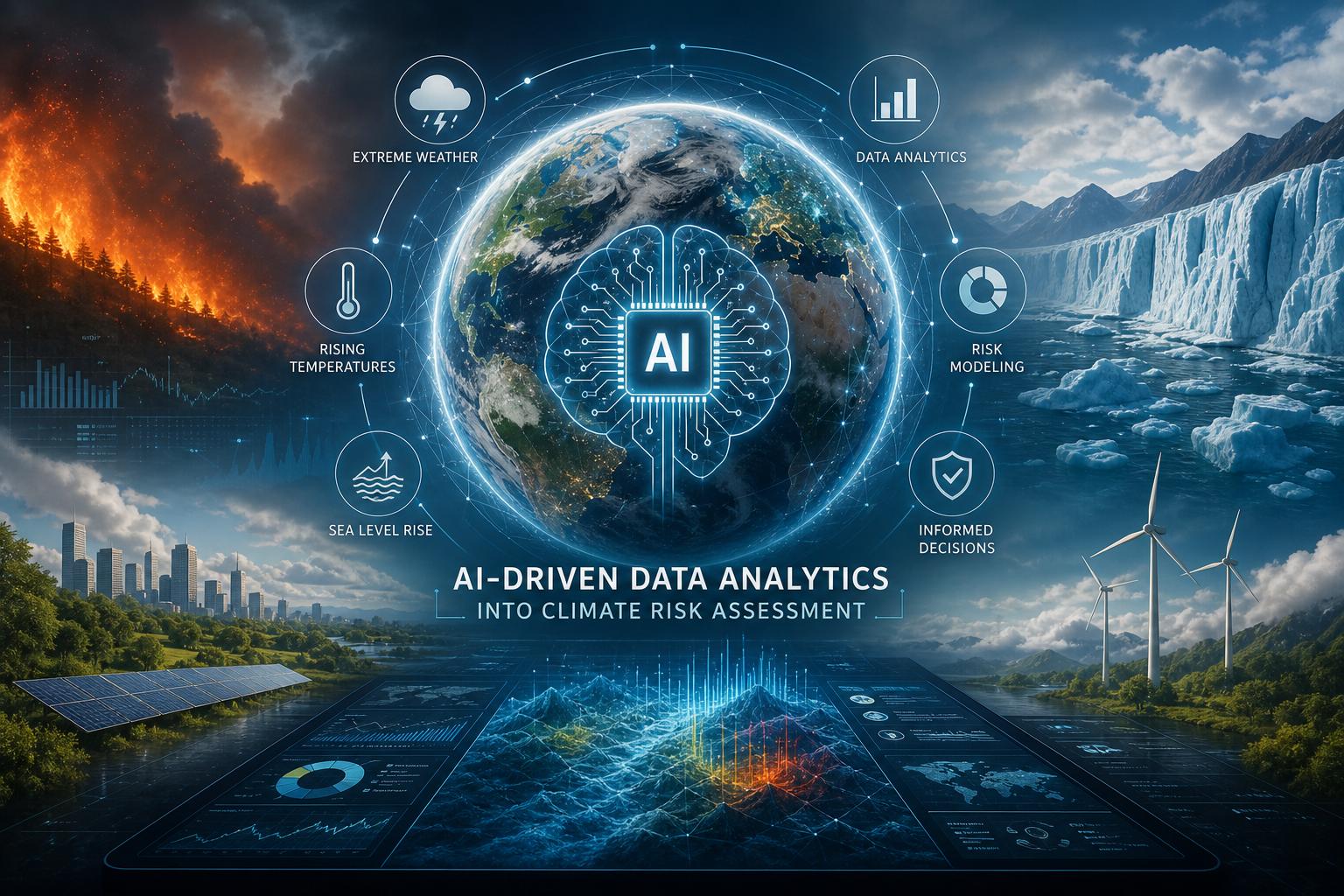
– Integrating AI-Driven Data Analytics into Climate Risk Assessment
Harnessing AI-driven data analytics fundamentally transforms the precision and scope of climate risk assessments. Traditional methods often rely on static datasets and historical trends, but the integration of AI allows for real-time processing of multifaceted environmental data-from satellite imagery and sensor networks to social and economic indicators. This dynamic approach enhances the ability to detect subtle climate patterns and predict extreme weather events with unprecedented accuracy. As a result, stakeholders can identify vulnerabilities and anticipate impacts far earlier, enabling more informed and proactive adaptation strategies.
Key benefits of AI integration include:
- Multi-source data synthesis: Combining diverse datasets to deliver a holistic view of climate variables.
- Pattern recognition: Using machine learning to uncover hidden correlations and emerging threats.
- Scenario modeling: Simulating various climate futures to evaluate risks under different assumptions.
| AI Technique | Climate Risk Application | Outcome |
|---|---|---|
| Deep Learning | flood prediction | Enhanced early warning systems |
| Natural Language Processing | Policy document analysis | Improved regulatory compliance |
| Reinforcement Learning | Adaptive resource management | Optimized water usage |
– Optimizing Resource Allocation through predictive Climate Modeling
By integrating advanced machine learning algorithms with vast datasets of climatic variables,AI-driven models empower decision-makers to allocate resources with precision and foresight. This approach transcends traditional methods by anticipating not just general trends but localized impacts, enabling tailored strategies that maximize effectiveness. As a notable exmaple, predictive analytics can identify regions at heightened risk of drought or flooding months in advance, allowing for preemptive measures such as water rationing, infrastructure reinforcement, or agricultural adjustments.
Key benefits of predictive resource allocation include:
- reduction in wasted materials and financial resources
- Enhanced disaster preparedness minimizing human and economic loss
- Optimized deployment of emergency response teams
- Improved long-term infrastructure planning aligned with shifting climate patterns
| Resource type | Predictive Benefit | Impact Example |
|---|---|---|
| Water | Targeted distribution | Drought-prone zones receive pre-staged reserves |
| Emergency Services | Strategic placement | Rapid response teams positioned near forecasted flood areas |
| Agricultural inputs | Adaptive scheduling | Crop planting adjusted to rainfall forecasts |
– Implementing AI-Powered decision Support systems for Adaptive Planning
Modern climate adaptation demands dynamic tools that evolve in tandem with environmental changes. Leveraging artificial intelligence enables decision-makers to harness vast datasets from weather patterns, socioeconomic factors, and ecological indicators. These AI-powered decision support systems analyze real-time inputs to generate actionable insights tailored to local contexts. By processing complex variables together, they identify emerging risks and evaluate potential outcomes, facilitating the creation of adaptive plans that remain relevant despite changing conditions.This approach minimizes reliance on static models,ensuring that strategies can pivot as new data unfolds.
Key capabilities driving these systems include:
- Real-time scenario simulation: Quickly modeling the impacts of various adaptation interventions under multiple climate scenarios.
- Automated risk prioritization: Highlighting the most urgent vulnerabilities to allocate resources efficiently.
- Collaborative planning features: Integrating input from cross-sector stakeholders via AI-facilitated consensus-building tools.
| System Feature | Function |
|---|---|
| Data Fusion | Combines heterogeneous data streams for holistic analysis |
| Predictive Analytics | Forecasts climate impacts with increasing accuracy |
| Decision Optimization | suggests resource allocation maximizing adaptive capacity |