
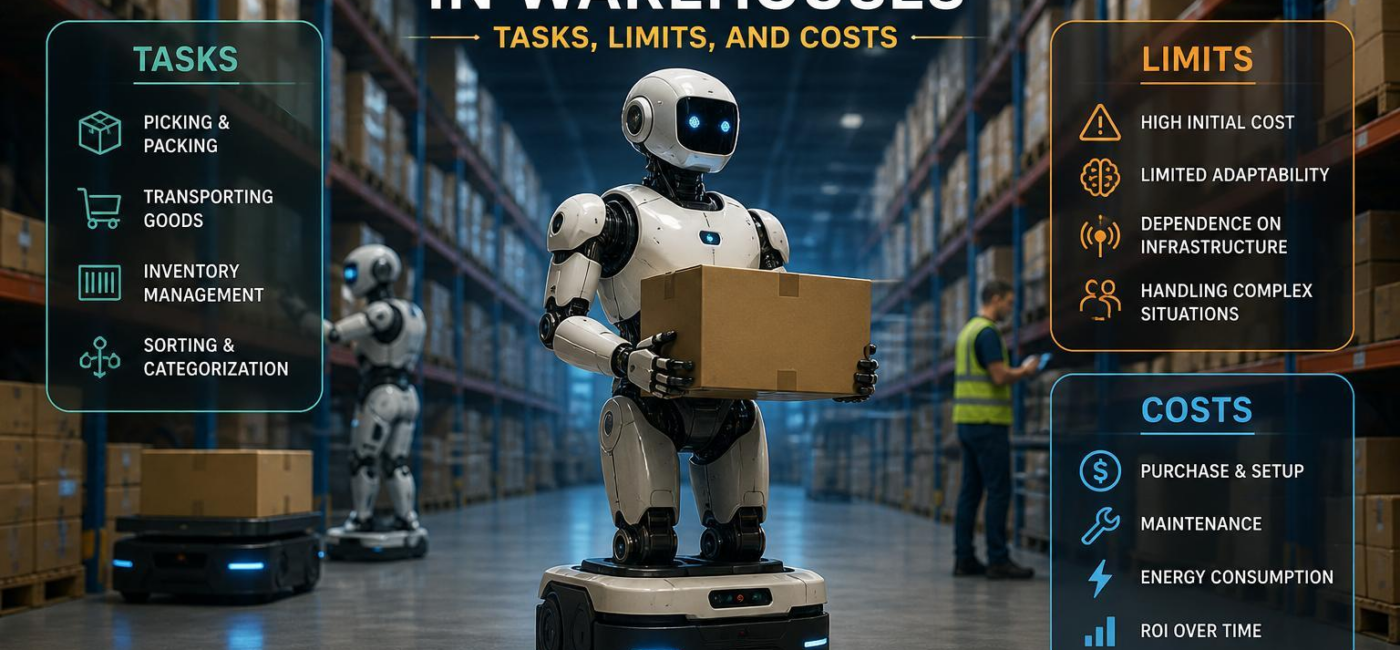
Will AI robots replace warehouse workers? In most warehouses, the answer is no-not entirely. They can take on some repetitive physical tasks, but their usefulness depends on the cost of deployment, safety requirementsand how predictable the environment is.Warehouses are busy, changeable placesand many jobs still call for human judgment.
Where Robots Fit Best
Robots tend to work well when the task is repetitive and the route or process is easy to define. Moving cartons or totes between receiving, storage, packingand shipping is a common example. In a facility wiht clear travel paths and consistent floor conditions, autonomous mobile robots can handle these trips reliably while reducing the amount of walking required from staff.
They can also support goods-to-person picking by bringing shelves, binsor orders to a workstation. that leaves employees to focus on selecting items, packing ordersand dealing with exceptions.Inventory scanning, cycle counts, pallet transportand routine parcel sorting can also be good candidates when labels, containersand workflows are consistent.
The limits become clearer when the work is less predictable. Damaged packaging, mixed loose items, unclear labels, unusual returnsand loading decisions often require someone to assess the situation and make a judgment call.A robot may assist with part of the process, but it is indeed less likely to handle the entire job without support.
What Limits Robot Use
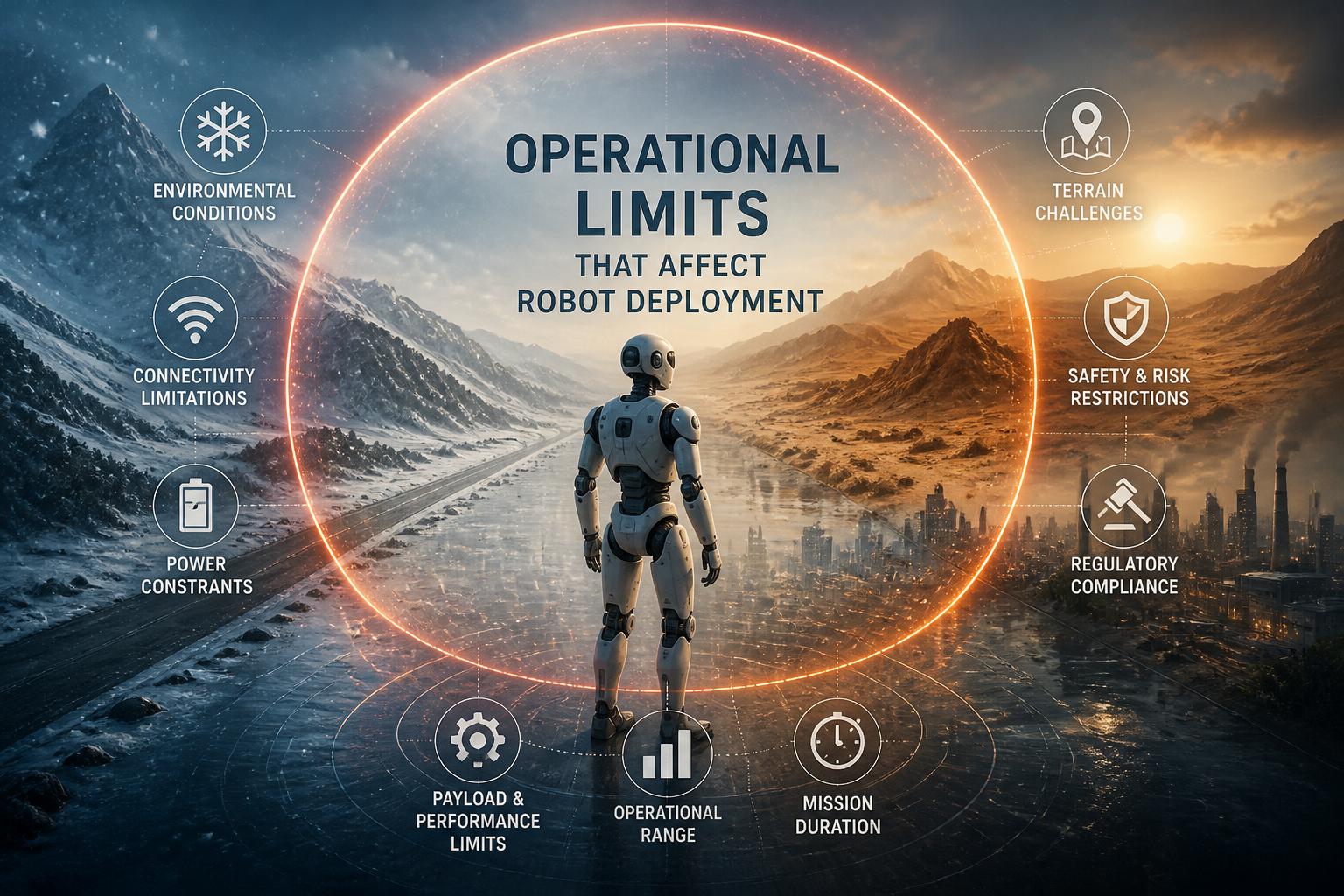
A warehouse robot is only as reliable as the setting it works in. Floor condition, aisle width, rack layout, lighting, wireless coverageand foot traffic all affect how safely and consistently it can operate. A mobile robot may perform well in a mapped fulfillment area but have a harder time near loading docks, where pallets appear without warning, shrink wrap hangs into travel lanesand people move through with carts or equipment.
Environmental conditions matter, too. Dust, moisture, temperature changes, battery accessand charging space can all affect day-to-day operation. These are not small details to sort out after a purchase; they shoudl be part of the decision from the beginning.
People also need clear rules for working around the equipment.Teams need to know where robots have priority, when they must yield, how handoffs workand who handles a blocked route or unexpected item. Without those routines, a minor interruption can slow down an entire area. early projects usually work better when they focus on a stable route or a single repeatable task rather than trying to automate every movement in the building.
What Warehouse Robots Really Cost
The price of the machine is only part of the budget. The task itself shapes the cost: transporting full pallets, picking individual items, sorting parcels, and loading trailers all call for different equipment, sensors, attachmentsand safety measures.
Site conditions can add just as much complexity. Narrow aisles, uneven floors, cold storage, mezzanines, weak Wi-Fiand frequent layout changes may require extra planning or facility work before a robot can begin operating.The same is true for connecting the equipment to warehouse management, inventoryand order systems.
A realistic budget should cover the equipment purchase, leaseor subscription; integration work; charging areas and network upgrades; safety review; staff training; maintenance; software fees; spare parts; and ongoing support. Labor savings might potentially be part of the business case, but they are not the only consideration. Robots can also reduce travel time, make routine handling more consistentand help maintain throughput during busy periods. Conversely, a seemingly inexpensive pilot can become costly if the process changes constantly or employees must repeatedly work around the system.
How to Start and Scale
start with the work, not the robot. Look for a bottleneck that is repetitive, time-consuming, physically demandingor prone to routine handling errors. That could be pallet movement, case transport, inventory scanning, picking supportor a regular replenishment route. Then look closely at whether the building and its systems can support the equipment.
A pilot needs a clear goal. It might be reducing travel time in one picking area or keeping a replenishment route supplied throughout a shift. What matters is that the target is specific enough to measure. It is also worth planning for the exceptions from day one: damaged goods, blocked paths, unusual loads, inventory problemsand layout changes will still need people involved.
Once the first deployment is stable, compare the results with the original goal. Review the order profile, travel distances, staffing pattern, exception rateand shift conditions that shaped the outcome. Expand into areas with similar workflows first, then adjust the setup for more complicated zones. A larger fleet can increase capacity, but it also brings more traffic management, charging needs, maintenance planningand day-to-day oversight.
AI robots are most useful when they take pressure off workers rather than being treated as a full replacement for them. The strongest warehouse programs usually pair automation with experienced staff who can manage exceptions, maintain safe operationsand keep the work moving when conditions change.
AI tools built by Emerald Force
Built and supported by Emerald Force.

You might also like
- Can AI Fake Photos? How Synthetic Images Look Real
- AI Handles Routine Service; Humans Handle the Rest
- How AI Can Scale and Tailor Misinformation
- AI Helps Both Sides: Security Choices Decide
- Few-Shot Prompting: Learning from a Few Examples
- Inference Cost: The Compute Behind Model Outputs
- How to Benchmark Tools Before Buying: A Practical Guide
- Can AI Remove Backgrounds? A Proven Vision Use Case
- How AI Clusters Customer Feedback and Detects Sentiment
- AI Center of Excellence: Standards and Adoption