

What AI Models Are Actually Doing
do AI models understand meaning? Not in the way people do. They model patterns in data and can act as if they understand meaning, but their understanding is not the same as human experience.
AI models learn from huge numbers of examples. They become good at noticing which words, images, ideasand responses tend to appear together.If “peanut butter” is often followed by “jelly,” the model learns that the pairing is likely. That can produce surprisingly natural answers, especially when the model has seen many similar questions before.
but the model has never tasted peanut butter and jelly,packed a lunch,or remembered sharing a sandwich with someone. it does not have memories, intentions, sensesor personal experience. It effectively works by finding relationships in the material it was trained on and generating a likely next response. That is useful, but it is different from lived comprehension.
A good way to think about an AI response is as a well-informed prediction. It may be helpful, clearand sometimes genuinely insightful. It can also be wrong in ways that sound convincing. Fluency is not proof of understanding.
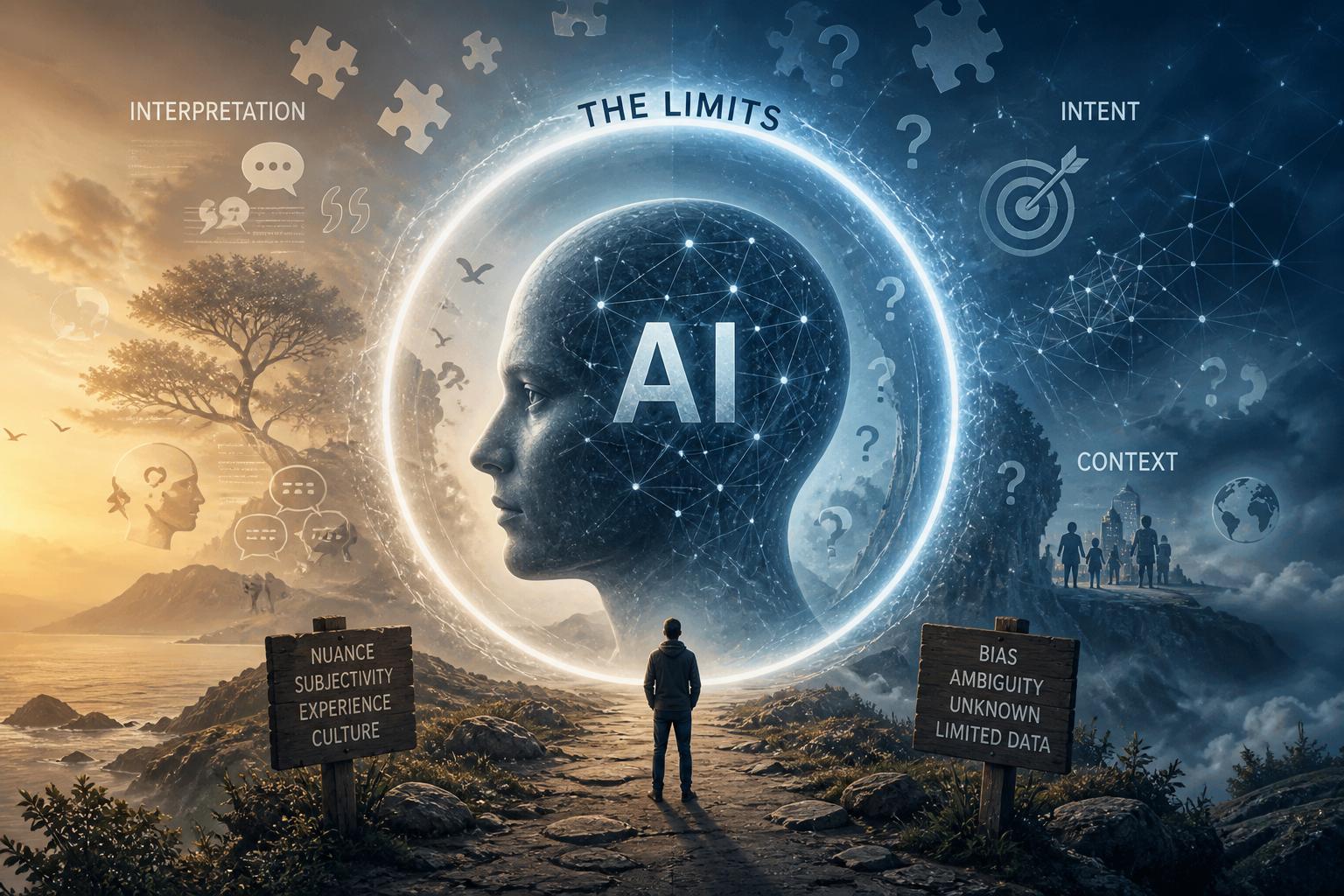
Where Interpretation Falls Short
Language is rarely just language. People bring history, relationships, mood, cultureand unspoken assumptions into a conversation. A short message can be warm, sarcastic, defensive, grieving, or alarming depending on who sent it and what happened before.
AI can frequently enough make a reasonable guess about context. It can recognize common signals of humor,frustration,or urgency. still, it cannot know what a person meant to accomplish or what the words mean inside a particular relationship. It does not have access to the private reality behind the message.
That matters when the consequences are personal or serious. A model can help summarize a disagreement, draft a replyor point out questions someone may want to consider. It cannot take obligation for a damaged relationship, a missed warning signor an unfair decision. People have to make those calls because people are the ones who understand the stakes and live with the outcome.
Treat AI Answers as a starting Point
AI output is best treated as a draft or a proposed answer, not as finished knowledge. A polished explanation may contain an outdated detail, a false assumptionor a source that does not actually support the claim being made.sometimes the problem is obvious. Other times it is indeed buried in an answer that or else sounds perfectly reasonable.
Verification matters most when the topic involves health, law, money, safetyor a decision that affects someone else. Check crucial claims against reliable source materialoriginal documents, current guidanceor qualified professionals. Dates, definitions, exceptionsand local rules can change the answer completely.
Expertise still has a role that a model cannot replace. A person familiar with a field can spot an ambiguous term,a missing condition,or a question built on a false premise. they can also decide what matters most in a situation. The real test is not whether an answer sounds persuasive, but whether it holds up when someone informed examines it.
Keep People in Charge of Decisions
Responsible use of AI starts with clear limits. A model can help sort information, summarize material, draft language, flag possible inconsistenciesor suggest questions worth asking. Those are useful support tasks. The final decision should remain with someone who understands the context and has the authority to explain and defend the outcome.
For higher-impact work, human review should be real rather than symbolic. The reviewer needs the time, source material, and freedom to disagree with the model. Simply placing an “approve” button at the end of an automated process does not create meaningful oversight if everyone is expected to accept the recommendation without looking closely.
It also helps to keep a record of the information reviewed, the model’s output, and the reasoning behind the final decision. That makes it easier to correct mistakes, revisit disputed cases, and notice when a weak assumption keeps reappearing in different forms.
AI can be a valuable tool for working with patterns at scale. It should not be confused with a person who understands meaning, weighs valuesor accepts responsibility. Used carefully, it can assist human judgment. It cannot replace it.
AI tools built by Emerald Force
Built and supported by Emerald Force.
You might also like
AI Literacy: Understanding, Limits, and Responsibility
- Why AI Pilots Stall: Governance, Workflows, Trust
- How AI Can Help You Cook Smarter Every Day
- AI Disclosure at Work: Policy, Clients, and Risk
- AI Can Build Websites: From HTML to Backend Scaffolds
- AI Voice Scams Are Rising: Why Verification Matters
- Letting AI Run Terminal Commands: Essential Safeguards
- AI Lowers Routine Costs, but Expertise Still Decides
- AI Agents Today: Useful but Still Need Oversight
- How AI Enables Robots to Perceive, Plan, and Interact