

Can AI help with recruiting? Yes-when it is used for the right parts of the process. It can definitely help recruiters screen applications against defined criteria, summarize interviewsand draft outreach. But those conveniences do not remove the need for human judgment. Fairness, privacyand compliance still need to be checked at every stage.
The safest approach is to treat AI as a support tool, not the decision-maker. Start with a hiring process that is clear, job-related, and consistent. then make sure the technology follows that process rather than quietly reshaping it.
Establish fairness controls before screening begins
Fair screening starts before a model reviews a single résumé. define the qualifications that truly matter for the role,then limit information that can invite irrelevant judgment.Depending on the job and applicable law, that may meen removing or reducing the visibility of photographs, names, addresses, graduation years, and other details that can act as proxies for protected characteristics.
AI should support a documented hiring standard, not create one on its own. Every applicant should be considered against the same role-specific criteria. If the system produces a low score, that score should not automatically end a candidacy-especially when an application reflects a nontraditional career path, incomplete information, or experience the tool may not interpret well.
Build in a real path for human review, particularly for borderline decisions and rejections. Keep records of the criteria in use, notable overridesand candidate concerns. Those records make it easier to spot patterns later and explain how a decision was reached.
Fairness controls also need regular attention. Job requirements change, applicant pools shiftand tools can behave differently as processes evolve. Review AI recommendations alongside recruiter decisions and hiring outcomes to identify differences that deserve a closer look. Candidates should also receive clear notice when automation plays a role and have a practical way to request review or correct inaccurate information.
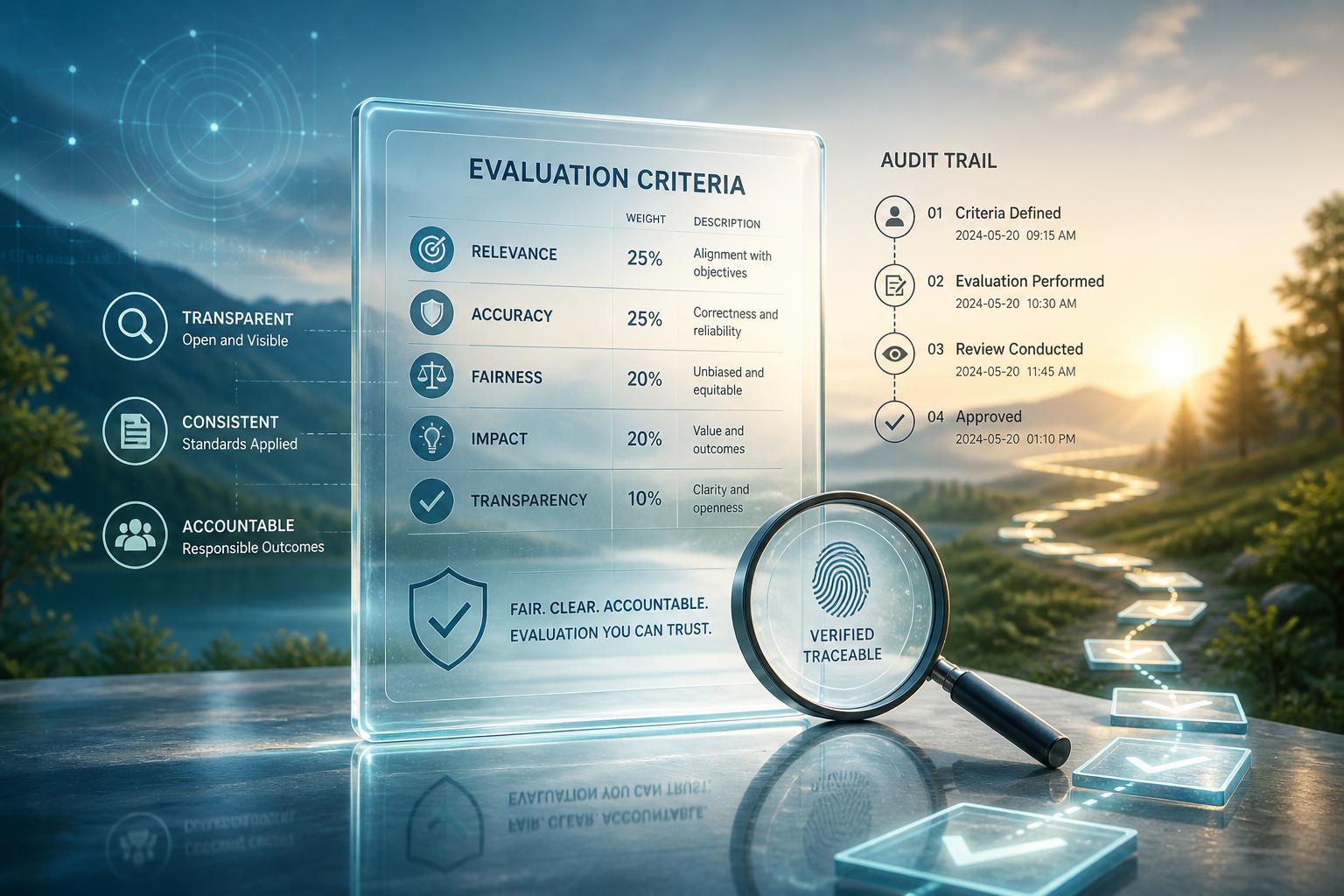
Make the criteria clear and the record usable
A screening process should make sense to recruiters, hiring managers, and candidates. Before an AI tool evaluates applications, decide exactly what it may consider: required licenses, relevant work experience, demonstrated skillsand clearly stated job requirements. Each factor should be easy to explain and tied to a legitimate need for the position.
Be cautious with vague signals such as “culture fit,” the prestige of a previous employer,or unexplained résumé gaps. These factors can hide subjective judgment and make a decision much harder to defend. A candidate should not be rejected because of a score that nobody can interpret.
A useful record should show what the system reviewed, what suggestion it produced, what the recruiter decidedand why any override occurred. It should also capture the version of the tool or configuration in use, the date of reviewand who had access to the information. The goal is not to retain every piece of candidate data forever. It is to keep a proportionate, secure record that supports accountability, lawful retentionand meaningful review if a decision is questioned.
Human reviewers need room to correct inaccurate résumé parsing, challenge a recommendation, or set it aside when the candidate’s background calls for a closer look. If reviewers feel pressured to follow the system, the human review step is not doing much work.
Watch for bias in the process, not just the score
Bias monitoring requires evidence, not assumptions. Look at the information entering the recruiting process-résumés, application forms, assessment results, referral sourcesand recruiter notes-and consider whether certain signals may disadvantage qualified candidates. Then follow the full path: who applies, who passes the initial screen, who reaches an interview, who receives an offer, and who accepts.
A difference at any one stage does not automatically prove that a tool is unfair. It does mean the team should investigate. The issue may be incomplete data, an assessment that is harder for some applicants to access, a screening rule that does not reflect the actual jobor a human decision made around the tool.
Regular reviews help turn that investigation into a normal governance practice rather than a reaction after a problem surfaces. If a rule repeatedly filters out applicants from one source before interviews begin, such as, the team can examine whether that source provides less complete information or whether the rule is giving too much weight to background details that do not predict success in the role.
The aim is not to force identical outcomes for every group. It is to make sure the criteria are job-related, applied consistentlyand open to correction when the evidence suggests an unfair effect.
Keep people responsible for the decision
Human review should be part of the workflow before an automated recommendation affects a candidate’s progress. AI can organise applications, highlight relevant qualificationsand flag information for follow-up. It should not make the final call on rejection, rankingor suitability.
Reviewers need enough context to question the result. That includes the criteria used, the information the system considered, and any missing or unusual details in the application. Low-confidence matches, accessibility-related gapsand nontraditional career histories are all situations where a trained recruiter should take a closer look. A second review may also be appropriate when a rejection relies heavily on automated scoring.
Recruiters should have a clear way to escalate concerns about inaccurate parsing, possible biasor job criteria that no longer fit the role. Candidate concerns matter here, too. If someone believes their experience was misunderstood or that a screening result was unfair, they should be able to request review by a qualified person.
Documenting these decisions helps teams identify recurring problems and improve the process over time. More importantly,it keeps responsibility where it belongs: with the people making hiring decisions.
Use AI carefully, not casually
AI can be useful in recruiting, especially for repetitive work that takes time away from candidate conversations and thoughtful evaluation. But a faster process is not automatically a fairer one. Clear criteria, transparent records, ongoing monitoringand meaningful human review are what make AI-assisted recruiting more responsible.
When those controls are in place, AI can support recruiters without replacing the judgment, accountabilityand care that hiring requires.
AI tools built by Emerald Force
Built and supported by Emerald Force.
You might also like
AI Literacy: Understanding, Limits, and Responsibility
- Why AI Pilots Stall: Governance, Workflows, Trust
- How AI Can Help You Cook Smarter Every Day
- AI Disclosure at Work: Policy, Clients, and Risk
- AI Can Build Websites: From HTML to Backend Scaffolds
- AI Voice Scams Are Rising: Why Verification Matters
- Letting AI Run Terminal Commands: Essential Safeguards
- AI Lowers Routine Costs, but Expertise Still Decides
- AI Agents Today: Useful but Still Need Oversight
- How AI Enables Robots to Perceive, Plan, and Interact