

The best current use for AI agents is not open-ended decision-making. It is structured, repetitive digital work with clear rules, reliable data, adn an easy way for a person to review the result. Think of the routine work that slows teams down: sorting requests, checking forms for missing information, gathering records, updating a system, or routing a case to the right person. When the process is well defined, an agent can help move it along without taking ownership of decisions it is not equipped to make.
Start with a clearly defined task
AI agents work best when the job has a visible shape. They need to know what information they will receive,what they are expected to decide or do,which tools they can use,and what a completed result should look like. A vague instruction such as “handle customer requests” leaves too much room for interpretation. A better brief spells out the intake fields, approved knowledge sources, escalation triggers, response formatand final status.
In practice, that means defining the required inputs, the actions the agent is allowed to takeand the standard for a usable output. If information is missing or conflicting, the workflow should say what happens next rather than expecting the agent to improvise.
It also helps to split a process at its natural decision points.One step might classify an incoming request, the next might collect supporting recordsand another might prepare a response or route the case. Each stage should leave a clear record behind-a label, note, summaryor approval status-so the next step is working from something concrete. That makes errors easier to spot and gives reviewers a sensible place to step in when a case falls outside the rules.
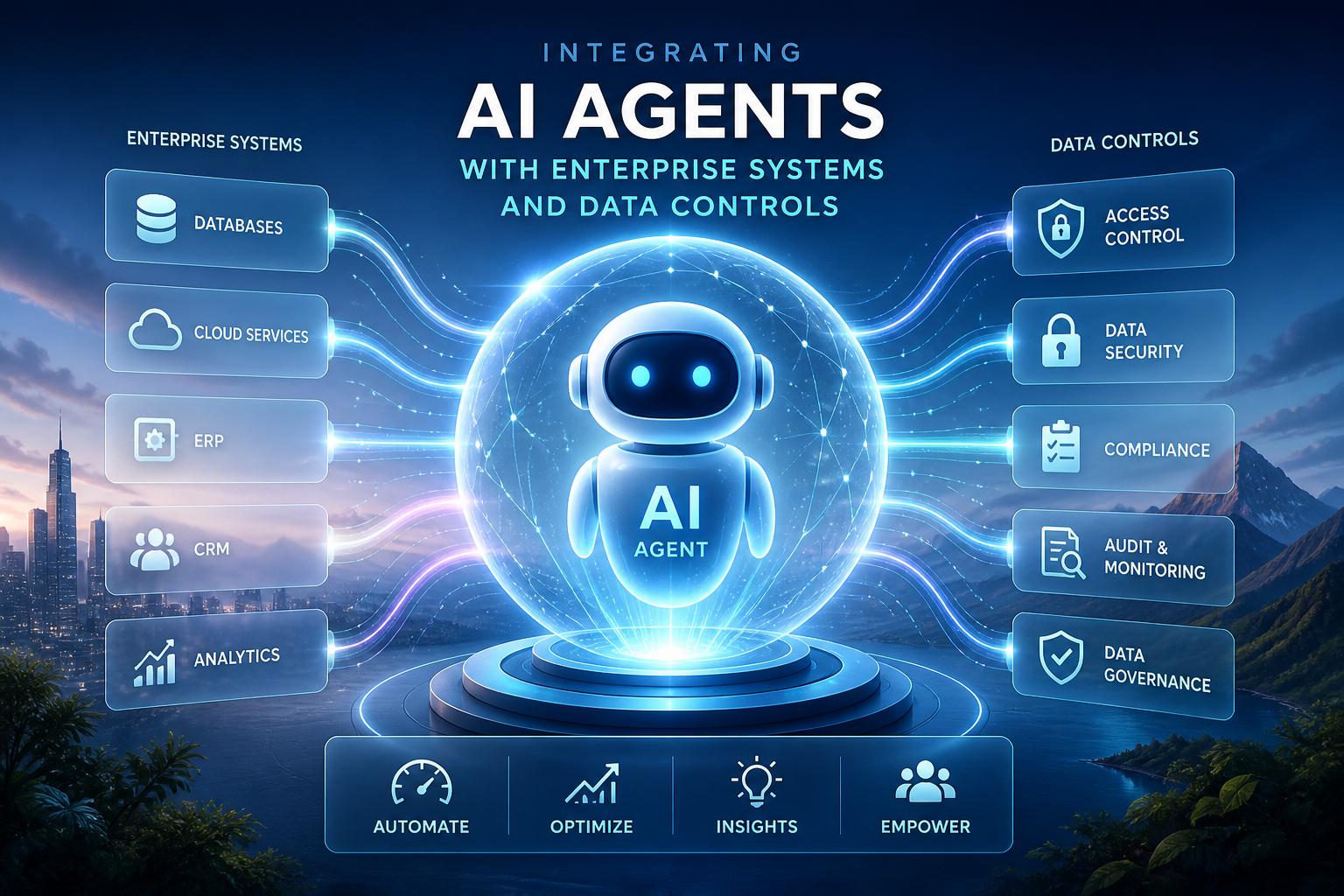
Connect agents without giving them free rein
An agent becomes useful at work when it can work with the systems people already use: a CRM, service desk, document repository, internal knowledge base, or finance platform. But access should be purposeful. The goal is not to hand an agent broad authority. It is to let it complete specific routine steps within the same controls that apply to employees.
For each workflow, limit the agent to the data and tools it actually needs. It should follow the relevant user permissions, retrieve only approved records or fieldsand leave a clear trail of what it viewed, changedor submitted. Read access and wriet access should be treated differently,especially when the agent can update a business system or trigger an external action.
Good data discipline matters just as much. Company information can be incomplete, outdated, duplicatedor subject to privacy and retention requirements. The workflow should identify the source of record when information conflicts,keep sensitive details out of tasks that do not require them,and check data before sending it into another system. With those guardrails in place, agents can handle useful work-routing requests, preparing records, checking required fieldsand coordinating handoffs-without becoming an uncontrolled route into important business data.
Measure what matters
Agent performance is not one number. A system that gets the answer right but takes too long may not help a time-sensitive process. One that moves quickly but sends ordinary cases to a person too often may create more work than it removes. The most useful measures are accuracy, turnaround timeand escalation rate.
| Measure | What it reveals | Useful review question |
|---|---|---|
| Accuracy | Whether outputs match the required record, ruleor action | Did the agent complete the task correctly? |
| Speed | How long routine work takes from request to result | Is it fast enough for the workflow? |
| Escalation rate | How often human intervention is needed | Are escalations appropriate or avoidable? |
Review these results by task type instead of lumping everything into a single average. A higher escalation rate may be exactly right for cases involving missing information, conflicting recordsor approval limits. It becomes a problem when the same straightforward requests repeatedly end up with a person. Regularly sample completed work, look at why escalations happenedand compare results after changing instructions or connected systems.
The aim is not to make an agent act with no restraint. It is indeed to establish a dependable pattern: handle clear, structured work accurately and promptly, then hand uncertain cases to a person with enough context to make a sound decision.
Keep people in charge of high-impact decisions
Agents can help sort claims, route applications, flag unusual transactions, and prepare recommendations. that can be valuable. But if an outcome could materially affect someone’s income, housing, medical access, legal standingor chance, an automated system should not be the final authority. Human oversight needs to be part of the workflow from the start,not an emergency measure after something has gone wrong.
A reviewer should be able to see what the agent did, what information it used, which rules shaped the recommendationand where uncertainty remains. they also need the authority and time to revise, rejector pause the result. A review step is not meaningful if people are expected to approve large volumes of opaque recommendations without a real chance to assess them.
Teams should be clear about the line between work an agent can complete on its own, work that requires approvaland work that should remain with a qualified person. It is indeed also worth checking completed decisions for recurring mistakes or uneven outcomesand pausing the workflow when a pattern suggests the agent is operating outside its intended role. Efficiency matters, but it should never replace accountable judgment when the stakes are high.
Where AI agents fit best
AI agents are most useful when they support a process that is already understandable: the rules are clear,the necessary data is available,the expected result is defined,and a person can review exceptions without starting from scratch. Start there. Choose one repeatable workflow,set sensible boundaries,watch the results,and improve the process over time. That is where agents can save effort while still leaving people responsible for the decisions that matter most.
AI tools built by Emerald Force
Built and supported by Emerald Force.

You might also like
AI Literacy: Understanding, Limits, and Responsibility
- Why AI Pilots Stall: Governance, Workflows, Trust
- How AI Can Help You Cook Smarter Every Day
- AI Disclosure at Work: Policy, Clients, and Risk
- AI Can Build Websites: From HTML to Backend Scaffolds
- AI Voice Scams Are Rising: Why Verification Matters
- Letting AI Run Terminal Commands: Essential Safeguards
- AI Lowers Routine Costs, but Expertise Still Decides
- AI Agents Today: Useful but Still Need Oversight
- How AI Enables Robots to Perceive, Plan, and Interact