
How AI Personalizes Fitness Plans Based on Individual Data
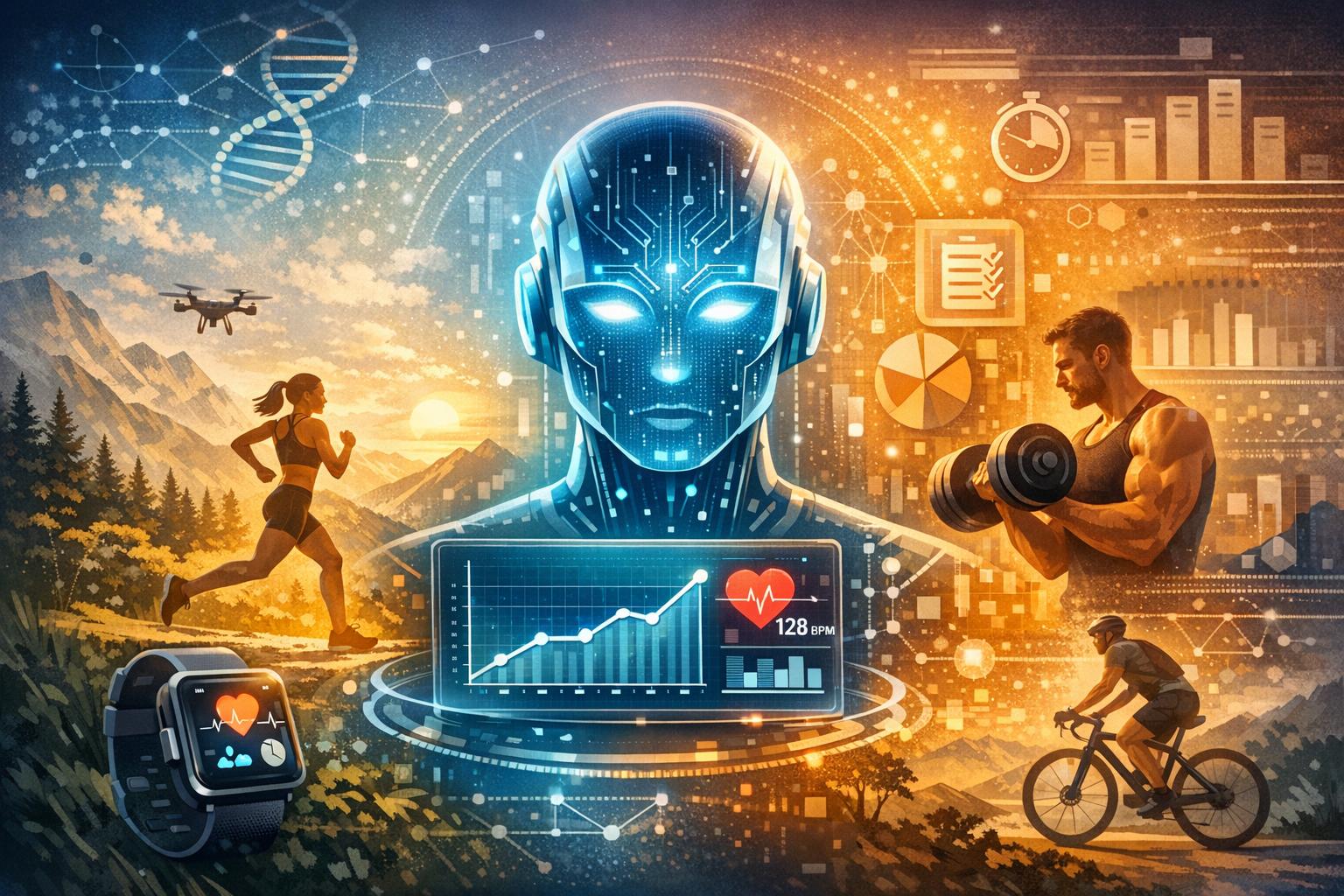
Artificial Intelligence revolutionizes the way fitness plans are tailored by analyzing a vast array of individual data points. From activity levels captured via wearable devices to dietary habits and sleep patterns, AI systems synthesize this details to build highly customized workout regimens. Rather of generic, one-size-fits-all programs, users benefit from evolving fitness strategies that adapt in real-time, optimizing progress while minimizing the risk of injury. This precision in personalization empowers users to pursue goals with confidence, understanding their bodies’ unique responses to different exercises.
Key data inputs AI evaluates include:
- Heart rate variability and recovery times
- Muscle fatigue indicators and strength benchmarks
- Personal preferences and motivational triggers
- Environmental factors such as weather and available equipment
| Data type | Benefit to Fitness Plan |
|---|---|
| Sleep Quality | Adjusts training intensity for optimal recovery |
| Activity Tracking | Suggests volume and variety of exercises |
| Nutritional Intake | Supports energy needs and muscle growth |
By integrating these multifaceted insights, AI fosters a dynamic coaching experience that responds to changing conditions and user feedback instantly.This approach helps maintain motivation and engagement, making fitness journeys more effective and sustainable without the need for constant manual adjustments or guesswork.
The Role of AI in Monitoring Progress and Adjusting Workouts
Modern AI technologies serve as powerful tools in dynamically tracking fitness progress through data analytics and real-time monitoring. By processing inputs such as heart rate, workout duration, and exercise form, AI can identify trends and provide insights that would typically require a personal trainer’s attention. This continuous feedback loop ensures that each workout session optimally challenges the individual without overextending them, promoting sustained advancement and reducing injury risk.
Key functions enabled by AI include:
- Personalized workout adjustments: AI algorithms recalibrate intensity and volume based on daily performance data.
- Performance trend analysis: Visual representations of progress help users stay motivated and focused.
- Adaptive goal-setting: AI suggests new benchmarks as fitness levels evolve, keeping goals achievable yet challenging.
| Metric | Before Adjustment | After AI Adjustment |
|---|---|---|
| Workout Duration | 30 minutes | 35 minutes |
| Intensity Level | Moderate | High-Moderate |
| Repetition Count | 3 sets of 10 | 4 sets of 12 |
Integrating AI-Powered Virtual Coaches for Motivation and Technique Improvement
AI-powered virtual coaches revolutionize the fitness experience by offering personalized motivation that keeps users engaged and accountable. These bright systems analyze individual workout data and behavioral patterns to deliver tailored encouragements at just the right moments, fostering consistent progress. by integrating natural language processing and adaptive feedback algorithms, virtual coaches simulate the support of a personal trainer without the constraints of scheduling or location. This technology empowers users to embrace a proactive fitness lifestyle with continuous, real-time insights on their effort and technique.
In addition to motivation, AI-driven virtual coaches contribute significantly to improving exercise form through detailed evaluation and guidance. leveraging computer vision and motion capture technologies, these systems detect suboptimal postures and suggest corrective actions instantly. Here is a concise comparison illustrating key benefits:
| Feature | Traditional Coaching | AI Virtual Coaching |
|---|---|---|
| Availability | Limited by trainer schedules | 24/7 personalized support |
| Feedback Timing | Post-set or session | Instantaneous during exercise |
| Adjustment Precision | Based on trainer observation | Data-driven, objective analysis |
| Cost | Frequently enough expensive | Accessible and scalable |
- Real-time corrections reduce injury risk by encouraging safer techniques.
- Adaptive programs evolve with user progress to maximize effectiveness.
- Consistent motivation leverages psychological insights to maintain drive.
By merging motivational psychology with precision-guided technique improvement, AI virtual coaches represent a pivotal advancement in personalized fitness facilitation.
Ensuring Safe Exercise Practices with AI Without Replacing Professional Medical Advice
AI empowers fitness enthusiasts by offering personalized workout suggestions and real-time form corrections while emphasizing the importance of consulting healthcare professionals for any medical concerns. Artificial intelligence acts as a supplemental tool that enhances safety by monitoring exertion levels, recommending rest periods, and adapting exercises based on user feedback. However, it is paramount to recognize that AI cannot diagnose conditions or replace the nuanced evaluation that medical experts provide.
- AI’s Role: Tracks performance trends and prevents overtraining
- User Obligation: report unusual symptoms to healthcare providers
- professional Guidance: Necessary for pre-existing conditions and injuries
| Aspect | AI Contribution | Medical Professional Role |
|---|---|---|
| Exercise Personalization | Dynamic adjustments based on data | Medical clearance and tailored rehabilitation plans |
| Safety Monitoring | Identifies fatigue and form issues | Diagnoses underlying health concerns |
| Feedback & Motivation | Instant feedback and motivation cues | Ongoing health assessment and advice |
AI tools built by Emerald Force
Built and supported by Emerald Force.

You might also like
- How AI Writes Scripts: Scenes, Dialogue, and Structure
- Why One Model Cannot Serve Every AI Task Safely
- Keeping AI on Topic: Define Scope and Core Task
- Suspicious AI Content: Pause, Verify, Then Act
AI Worker Monitoring: Legal Limits Employers Face
- How AI Reads PDFs, Charts, Screenshots, and Photos
- Access Control in AI: Rules for Use and Access
- AI Rationales Aren’t Always Faithful Explanations
- AI for Homework: Tutoring Allowed, Final Answers Limited
- AI in Healthcare: The Risks of Overtrust