
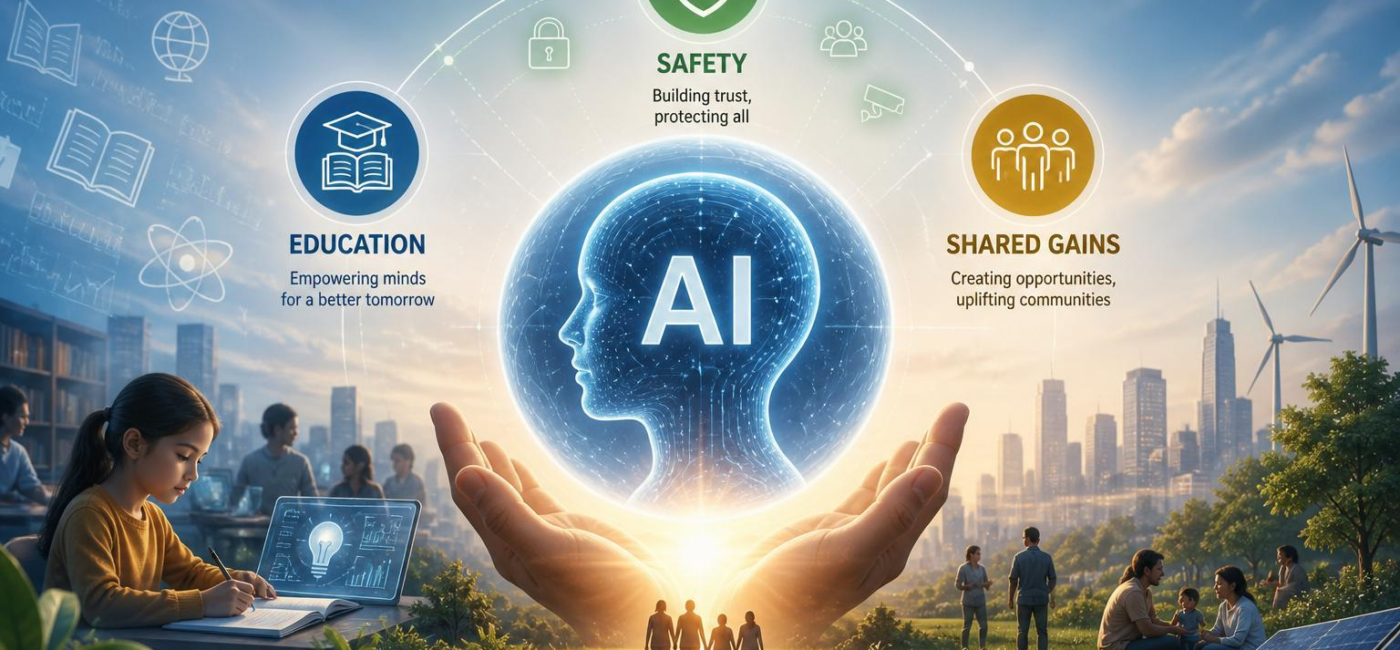
The best social response too AI is not to treat it as either a miracle or a menace. It is indeed to prepare people to use it well,set rules for where it can cause harm,and make sure its economic benefits do not stay concentrated among a small group of companies and investors. That means investing in education, healthy competition, safety standards, and public institutions that can spread chance more widely.
Education for Everyday AI Use
AI literacy should be a basic civic and workplace skill, not something reserved for programmers. People need to no how to question an AI-generated answer, spot weak evidence, protect personal dataand recognize when human judgment matters more then an automated suggestion.
Schools, community colleges, employersand public libraries all have a role to play. The aim is not to turn everyone into an engineer. It is to help people use these tools wiht confidence and care: understanding what they can do, where they can go wrong, and when to stop and ask for a human answer.
Learning also cannot end at graduation. Jobs will change at different speedsand workers need affordable training that fits around work, familyand career transitions. Short courses can be useful when they lead somewhere practical: better judgment about digital safety, experience checking AI output in a specific fieldand credentials that show current skills without requiring another full degree. People need real pathways to adapt, not a one-off workshop and a promise to figure it out alone.
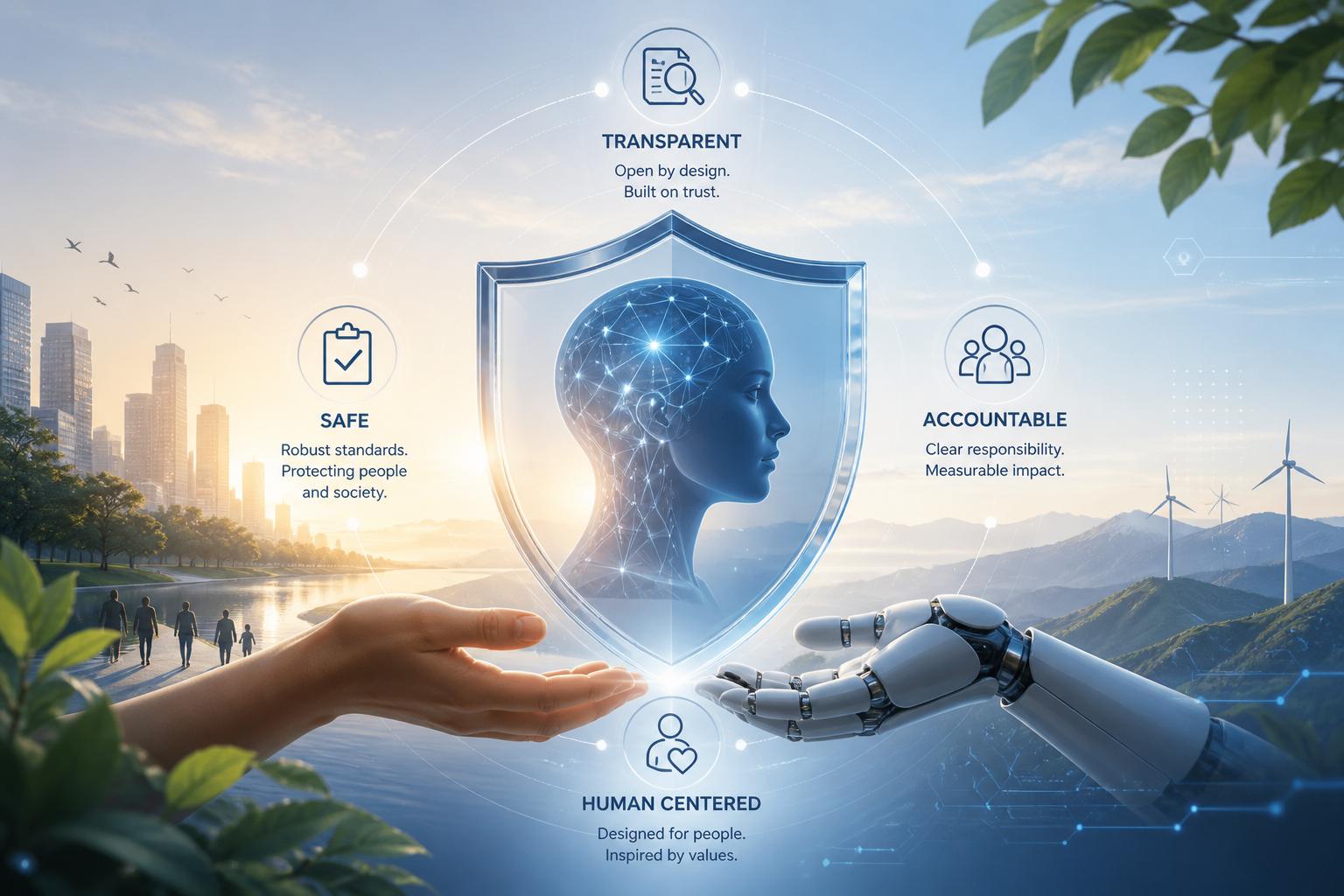
Safety Rules that Put People First
Safe AI starts with clear obligation. An organization using an AI system should be able to explain what the system is meant to do, where its limits are, who is accountable for itand what happens when something goes wrong. That matters most when AI influences decisions about education, employment, housing, healthor public services.
people should not have to guess when an automated system has shaped a decision that affects them. They deserve clear notice in plain language, a meaningful chance to challenge an outcomeand access to a person who can review the case. A form that leads nowhere is not an appeal process.
Testing should continue after a system goes live. tools can behave differently as their users, data, and real-world conditions change. Organizations should watch for privacy problems, unfair resultsand unexpected harms, then have the authority to fix, pauseor withdraw a system when necessary. Convenience should never matter more than a person’s rights, safetyor dignity.
Making the Benefits More Widely Shared
AI may create new opportunities,but those opportunities will not automatically reach everyone. Access to reliable internet, quality education, libraries, accessible public servicesand practical skills training remains uneven. If those gaps are ignored, AI could deepen existing divides rather than narrow them.
Workers should also have a say when AI changes how work is organized. Employers should be clear about systems that effect hiring, scheduling, pay, performance reviewsor discipline. Workers need understandable information, a chance to raise concernsand protection from opaque tools that make high-stakes decisions with little room for correction.
Public investment can help make the transition less disruptive. governments can support education, independent research, job-transition servicesand the basic infrastructure that lets people participate in digital life. The broader question is simple: will AI improve the quality of work and public services, or will it mainly become another way to shift risk onto workers and communities?
Rules, Competition, and Public Trust
Good governance does not mean treating every AI tool as equally risky. A spelling assistant and a system used to screen job applicants should not face the same level of oversight. The rules should match the stakes, with stronger safeguards when errors could affect someone’s rights, safety, livelihoodor access to essential services.
That approach requires institutions that can keep up: regulators with relevant expertise, independent reviewers, clear complaint channelsand public bodies willing to enforce the rules. It also means encouraging competition so that a handful of powerful firms do not control the tools, dataand infrastructure on which everyone else depends. Competition can give users, workers, researchersand smaller businesses more choices-and more use when systems fail them.
public trust grows when accountability is visible. Developers and organizations that deploy high-impact systems should be prepared to explain their purpose, limits, and responsible owners. Communities should have a voice before large-scale systems reshape local schools, workplacesor public services. And when harm appears, there must be a practical way to challenge it.
Conclusion
AI will not produce a fairer society on its own. The best social response is to build the conditions for people to benefit from it without being left exposed to its mistakes or disruptions. Education can help people use AI wisely. Safety standards can protect them when the stakes are high. Fair competition and public investment can keep the gains from pooling at the top.
That is the real task: not stopping useful technology, but making sure it remains answerable to the people whose lives it changes.
AI tools built by Emerald Force
Built and supported by Emerald Force.
You might also like
- How Generative AI Creates Art From Prompts and References
- How Privacy Laws Shape AI Data and Decisions
- How to Write AI Prompts That Deliver Results
- AI’s Social Response: Education, Safety, Shared Gains
- Renewable Energy Helps, but Can’t Erase AI’s Footprint
- How AI Models Meaning Without Human Understanding
- AI Can Fake Documents-Why Verification Matters
AI Can Feel Like a Friend, but It Is Not One
- Can AI Take Meeting Notes? It Captures Decisions
- How Platforms Detect AI-Generated Abuse Online