
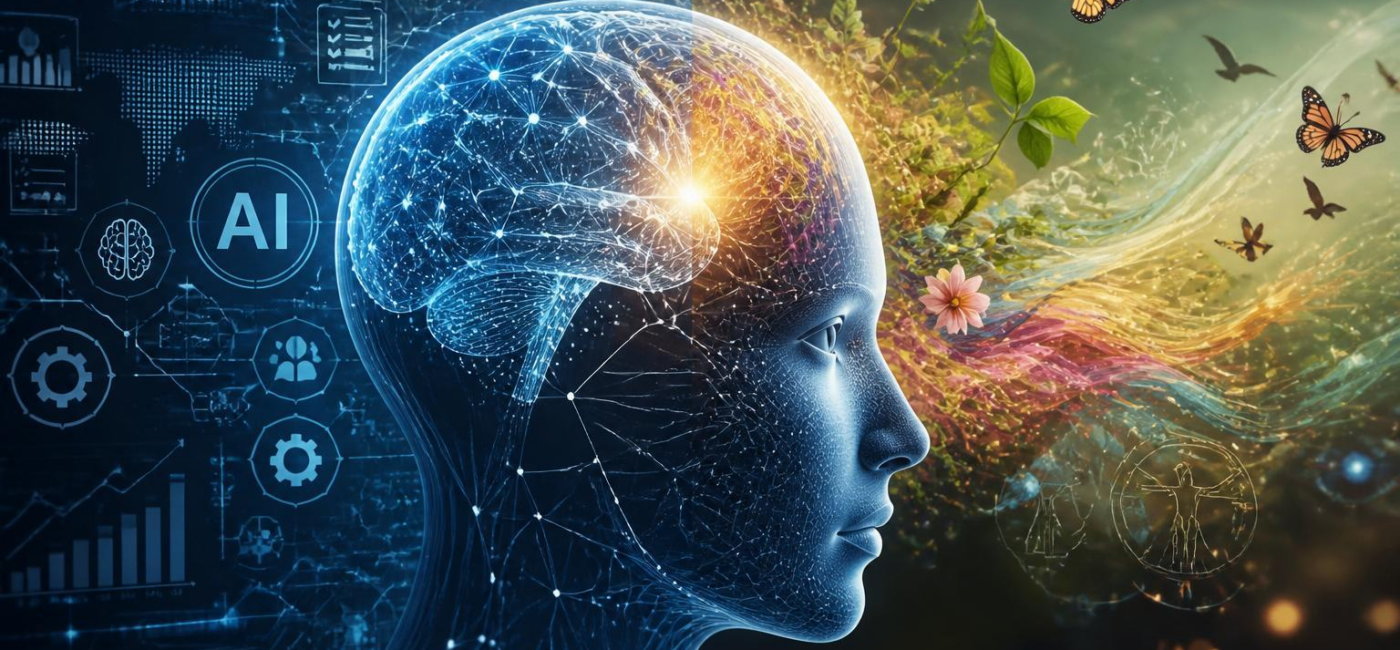
What Artificial Intelligence Does
What is artificial intelligence? At its core, artificial intelligence is software and hardware designed to perform tasks that usually require human judgment, learning, perceptionor language use. It can sort through images, recognize speech, translate text, recommend products, spot unusual activityor help answer questions.
AI works by finding patterns in data and using those patterns to make a prediction, classificationor proposal. If a system has been trained on many examples of dark clouds and rainy weather, for instance, it may learn to connect certain visual signals with the likelihood of rain. That does not mean it understands weather in the human sense. It does not feel concern, draw on lived experienceor anticipate getting wet. It identifies relationships in the data it has been given.
Some AI tools can appear remarkably human-like, especially when they hold a conversation or generate text. But resemblance is not the same as understanding. Human thought is shaped by emotion, memory, physical experience, culture, valuesand consciousness. AI can imitate parts of the process on the surface, but its output is still shaped by its training data, instructionsand the limits people set for it.

How AI Learns From Data
Much of modern AI relies on machine learning. Rather of following only a fixed set of hand-written rules, a machine-learning system studies examples and learns patterns that may help it make a useful response. Those examples might include customer support messages, photographs, medical scans, sales recordsor large collections of written language.
Neural networks are one type of machine-learning model. They are loosely inspired by the way biological neurons pass signals, though they are not replicas of the human brain. They can be especially useful when a task involves complex patterns that are hard to express as simple rules, such as identifying objects in an image or recognizing spoken words.
Prediction is only one part of decision-making.An AI system may estimate the chance that something will happen, but people still need to decide what to do with that estimate. A business might use a model to flag a possibly fraudulent transaction,for example,while a person or policy determines whether the transaction is paused,reviewed,or approved. The quality of the result depends not just on the model,but on the data,the goal,and the safeguards around its use.
Bias, privacyand accountability
AI systems can repeat the patterns in the data they learn from, including unfair or inaccurate ones. Bias can come from incomplete information, past decisions shaped by discriminationor choices about what the system is asked to measure. A tool may seem neutral while producing uneven results for different groups, especially in high-stakes areas such as hiring, lending, education, healthcareand public services.
That is why fairness should be tested rather than assumed. Organizations need to look for meaningful differences in outcomes, understand the limits of the data they useand make sure a qualified person remains responsible when the consequences are serious. People affected by an AI-supported decision should also have a practical way to ask questions, challenge an erroror request a review.
privacy matters just as much. collecting more personal information does not automatically make a system better or more appropriate. Responsible use means being clear about what data is needed, why it is indeed being collected, how it will be protectedand when it should be deleted or no longer used.
Keeping People in charge
Responsible AI starts with a simple question: where should human judgment stay in control? AI can summarize information, recognize patternsand suggest possible next steps, but it cannot take moral responsibility for the outcome. That responsibility belongs to the people and organizations that build, buyand use the system.
Before putting an AI tool into everyday use, teams should be clear about its purpose and its limits. They should test for mistakes, unfair treatment, privacy concerns, and predictable misuse. They should also decide who will monitor the system after launch, since data, user behavior, and real-world conditions can change over time.
Artificial intelligence can be useful when it supports people rather than replaces their judgment in situations that demand care, context, and accountability. Trust does not come from an extraordinary-sounding model or a confident answer. It comes from clear boundaries, honest interactionand a willingness to correct problems when they appear.
AI tools built by Emerald Force
Built and supported by Emerald Force.
You might also like
- Renewable Energy Helps, but Can’t Erase AI’s Footprint
- How AI Models Meaning Without Human Understanding
- AI Can Fake Documents-Why Verification Matters
AI Can Feel Like a Friend, but It Is Not One
- Can AI Take Meeting Notes? It Captures Decisions
- How Platforms Detect AI-Generated Abuse Online
- Renewables Help, but Cannot Erase AI’s Footprint
- How AI Can Produce Racist and Sexist Outputs
- AI in Healthcare: Empowering Clinicians, Not Replacing Them
Artificial Intelligence: Systems That Mimic Human Thought