
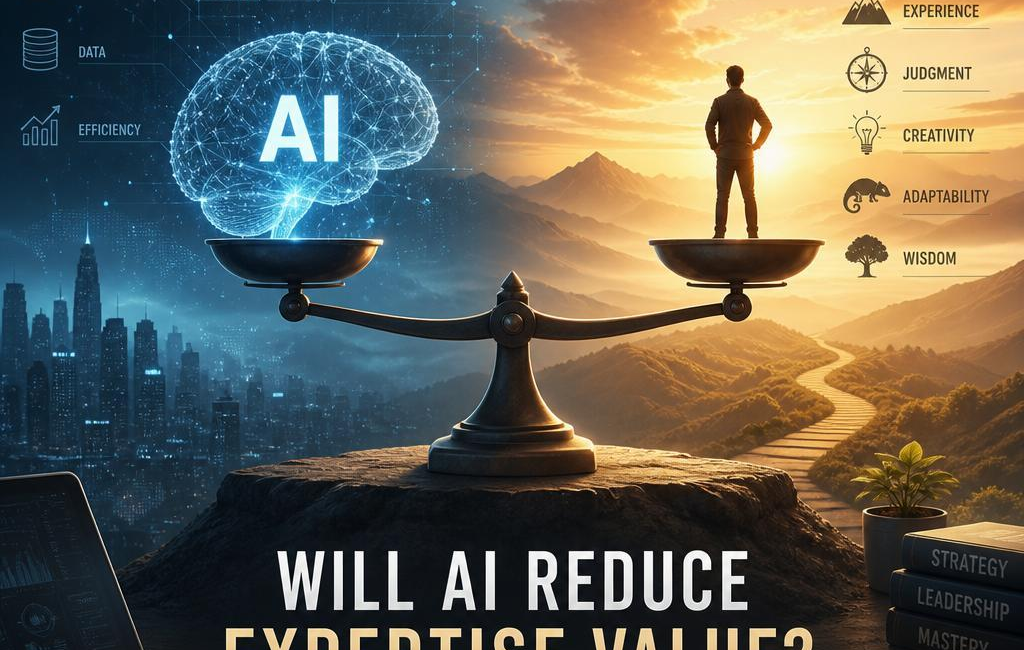
The Evolving Role of Expertise in the Age of Artificial Intelligence
Artificial Intelligence (AI) is reshaping how we approach knowledge and problem-solving, but it does not diminish the importance of genuine expertise. while AI can process vast amounts of data and provide rapid insights, true skill involves nuanced judgment, ethical considerationsand contextual understanding that machines cannot replicate. Experts bring experience-driven intuition and a deep comprehension of their fields,enabling them to interpret AI outputs effectively and make decisions that align with human values.
Moreover, expertise in the AI era demands a dynamic blend of traditional skills and technological literacy. Professionals who adapt and incorporate AI tools into their practice enhance their value rather than see it diminish.Here are key reasons expertise remains essential:
- Critical Thinking: Experts assess AI-generated information critically, identifying biases and gaps.
- Complex Problem Solving: Humans excel at addressing multifaceted challenges involving creativity and emotion.
- Ethical Judgment: Experts navigate moral dilemmas that AI cannot resolve autonomously.
| Aspect | AI Capability | Expertise Contribution |
|---|---|---|
| Data Analysis | Rapid processing | Insightful interpretation |
| Decision Making | Pattern recognition | Ethical and contextual judgment |
| Problem Solving | Automation of routine tasks | Handling ambiguity and creativity |
ultimately, the future belongs to those who can integrate the precision of AI with the depth of human expertise, proving that true skill still counts profoundly in an AI-driven world.
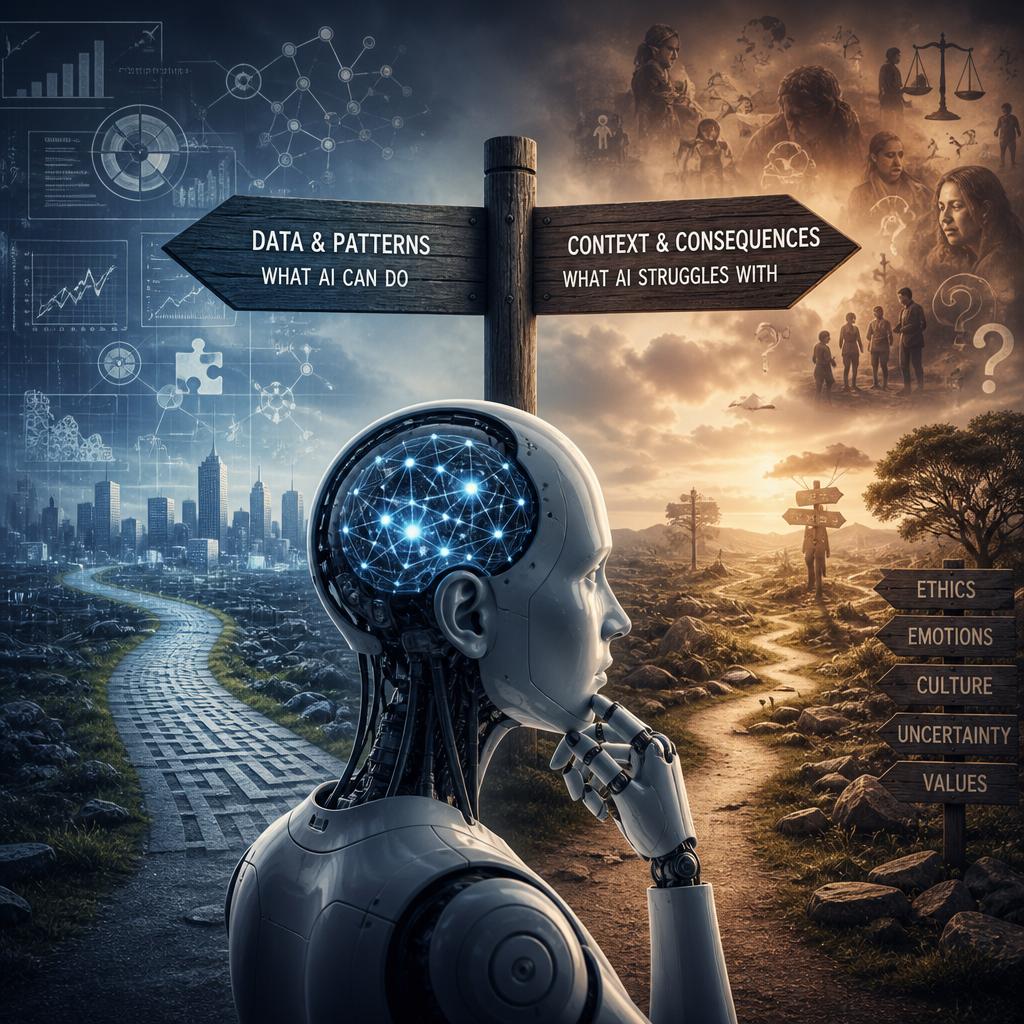
Understanding the Limitations of AI in complex Decision Making
Artificial Intelligence excels at processing vast amounts of data quickly and identifying patterns that human experts might miss. However, when faced with multifaceted scenarios involving ambiguous information or ethical considerations, AI often struggles. its framework depends on pre-existing data and algorithms,which limits its capacity to adapt to unprecedented situations or exercise nuanced judgment. unlike human experts, AI lacks intrinsic intuition, creative problem-solving skillsand the ability to weigh emotional and contextual factors crucial for complex decision making.
Consider the following attributes where AI’s limitations become apparent:
- contextual Awareness: human expertise integrates subtle cultural, socialand historical contexts that AI cannot fully grasp.
- Ethical Reasoning: AI operates within predefined parameters, lacking the moral compass required for sensitive decisions.
- Adaptive Learning: Experts adjust their strategies dynamically based on experience, while AI may falter outside its training data.
| Decision Aspect | Human Expert | AI System |
|---|---|---|
| Intuition & Insight | High | Low |
| Ethical sensitivity | Moderate to High | minimal |
| Handling Novelty | Flexible | Limited |
| Data Dependency | Contextual | Absolute |
Strategies to Enhance Human Skills Alongside AI Integration
To effectively navigate the evolving landscape shaped by artificial intelligence, professionals must actively cultivate their uniquely human capabilities. Critical thinking, emotional intelligenceand creative problem-solving remain irreplaceable assets that AI cannot replicate.Emphasizing continuous learning and adaptability empowers individuals to harness AI as a complementary tool rather than a competitor, allowing them to elevate their expertise.Incorporating collaborative skills that leverage both human intuition and AI’s analytical power creates a dynamic synergy, fostering innovation and refined decision-making.
Organizations can also adopt structured approaches to skill enhancement that align with AI integration initiatives. Consider the following framework designed to balance technological and human growth:
| Strategy | Human Skill Focus | AI Integration Role |
|---|---|---|
| Personalized Upskilling | Critical thinking and creativity | tailored AI-driven content and feedback |
| Cross-disciplinary Collaboration | Emotional intelligence and communication | Data analysis and process automation |
| Scenario-Based Training | Problem-solving and adaptability | Simulated environments and predictive modeling |
By embedding these strategies within professional development, expertise is not diminished but rather amplified, positioning human skill as the cornerstone of meaningful AI partnership.
Building a Future where Human Expertise and AI Collaborate Effectively
artificial Intelligence is reshaping industries at an unprecedented pace, but it does not diminish the importance of human insight. Expertise harvested through years of experience remains indispensable because context, intuitionand ethical judgment are areas where AI still falls short.While AI excels at processing vast data and identifying patterns, the ability to interpret nuanced information and make complex decisions with empathy and foresight stays firmly in the human domain. Therefore, true skill lies not only in technical know-how but in the capacity to synergize with AI systems to unlock new levels of innovation.
consider how professionals across various fields integrate AI tools without relinquishing their unique strengths:
- Healthcare practitioners use AI-driven diagnostics to enhance accuracy but rely on clinical experience for treatment plans.
- financial analysts leverage algorithmic models for market trends but apply judgment in evaluating risks and opportunities.
- Creative industries employ AI for ideation, yet human creativity and emotional resonance define the final work.
| Field | AI Role | Human Expertise Contribution |
|---|---|---|
| Medicine | Data Analysis | Diagnosis & Patient Care |
| Finance | Predictive Modeling | Strategic Decision Making |
| Creative Arts | Idea Generation | Emotional Expression |
The ability to navigate this collaboration effectively is becoming one of the most valuable forms of expertise in itself, underscoring why true skill is irreplaceable even in an AI-enhanced future.