
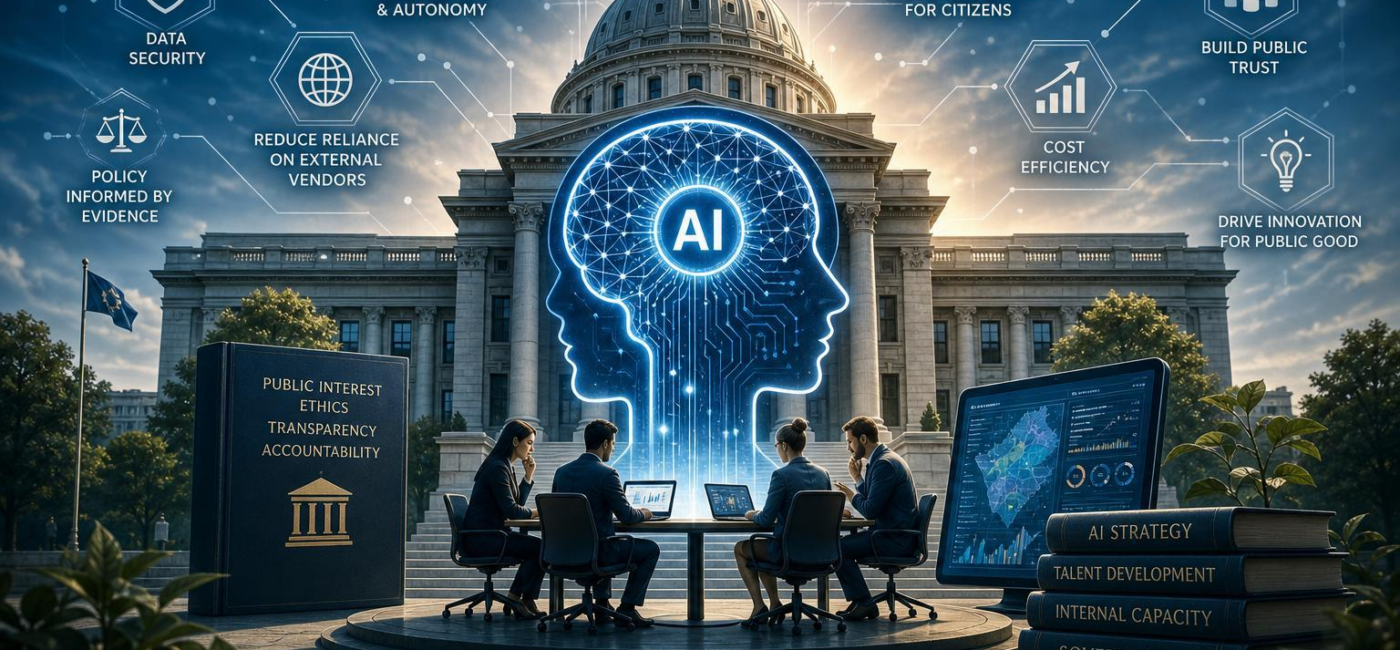
The Strategic Imperative for Governments to Cultivate AI Competence
Building a robust internal AI capability is no longer optional for governments aiming to navigate the complex digital era effectively. It empowers public institutions to make data-driven decisions that enhance public services, anticipate societal shifts, adn respond swiftly to emerging challenges. Without a foundational mastery of AI technologies, governments risk dependency on external vendors, which can lead to increased costs, opaque decision-making processes, and vulnerability to biased or inappropriate implementations. Cultivating homegrown AI expertise enables the creation of trustworthy, transparent systems that align with public values and ethical standards.
- enhances policy innovation: AI competence opens avenues for crafting smarter regulations and proactive governance models.
- Strengthens cybersecurity defenses: In-house expertise fosters better protective measures tailored to national security needs.
- Drives economic growth: Developing AI skills within government can stimulate local AI ecosystems and partnerships.
| Area | Impact of In-house AI Expertise |
|---|---|
| Public Safety | Faster threat detection and emergency response coordination |
| Healthcare | Improved patient data analysis supporting personalized care |
| Transportation | Optimized traffic management and infrastructure planning |
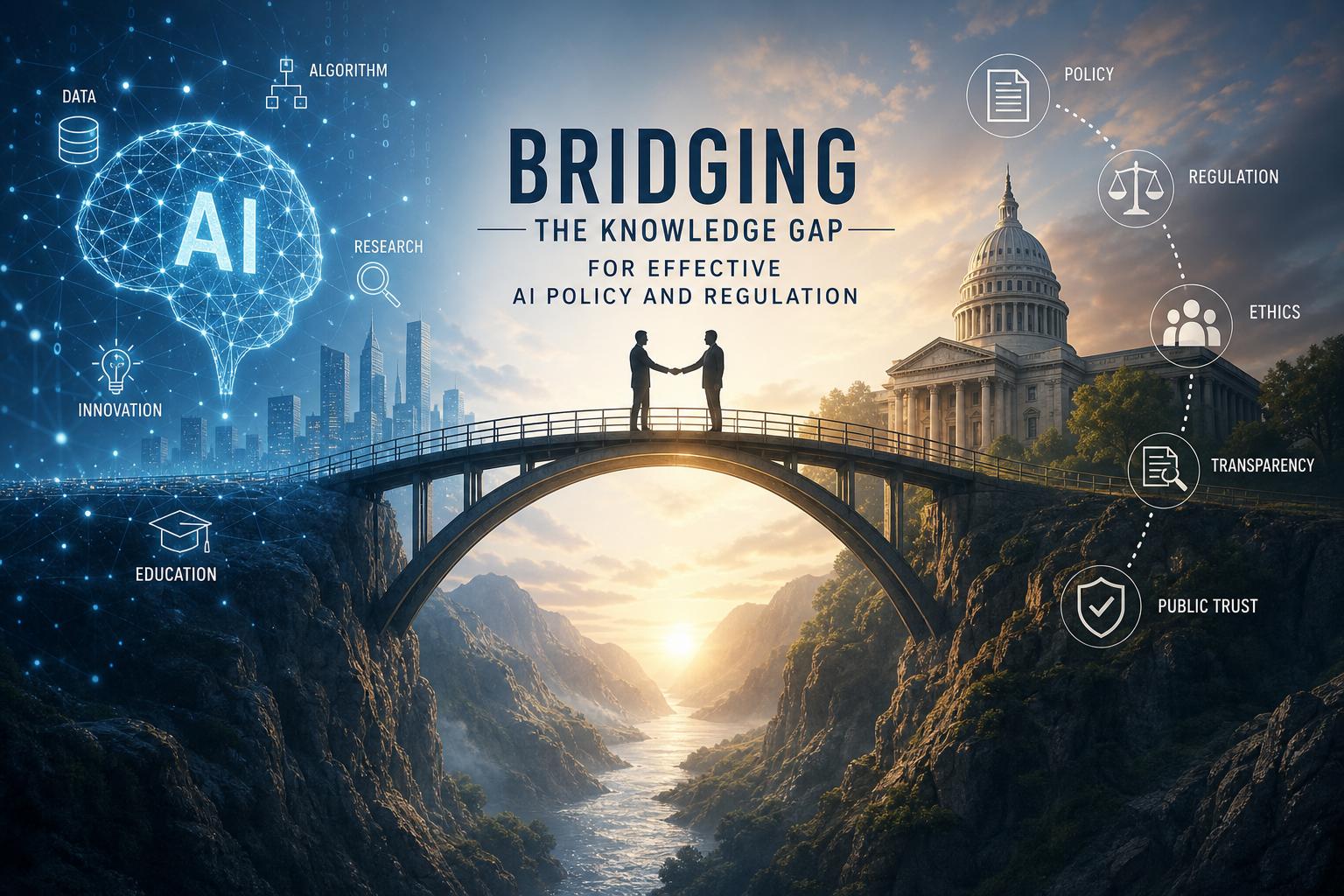
Bridging the knowledge Gap for Effective AI Policy and Regulation
To navigate the rapidly evolving landscape of artificial intelligence, governments must cultivate internal expertise that transcends surface-level understanding. Relying solely on external advisors or reactive policymaking risks producing regulations that are either obsolete or excessively restrictive, stifling innovation and public benefit. Developing in-house knowledge ensures that decision-makers appreciate the complexities of AI technologies, their societal implications, and ethical considerations, fostering policies that are both nuanced and forward-looking. Governments equipped with deep AI insight can anticipate technological shifts, address potential risks proactively, and tailor regulations that encourage responsible innovation.
Key benefits of building internal AI expertise include:
- Enhanced ability to critically evaluate technology claims and data
- Faster response times to emerging AI challenges and opportunities
- Improved collaboration across multidisciplinary teams within government
- Greater transparency and accountability in AI governance
| Area of Expertise | Government Benefit |
|---|---|
| Technical Understanding | Informed risk assessment and technology evaluation |
| Ethical frameworks | Balanced policies protecting rights and innovation |
| Legal Implications | Robust compliance and regulatory clarity |
| Societal Impact Analysis | Inclusive and equitable AI outcomes |
Enhancing public Sector Innovation Through In-House AI Expertise
Building robust in-house AI expertise enables governments to directly steer technological advancements that align with public interests, rather than relying on external vendors whose priorities may differ. this internal capacity drives:
- Enhanced data sovereignty-governments maintain full control over sensitive data.
- Tailored solutions that address unique social challenges, improving the efficacy of public programs.
- Agility in innovation, allowing for rapid prototyping and deployment of AI-driven services.
Moreover, internal AI proficiency fosters a culture of continuous learning and ethical scrutiny, vital for responsible innovation in the public sector. Governments equipped with such expertise can:
| Benefit | Impact |
|---|---|
| improved Policy Making | Data-driven insights enhance decision accuracy and responsiveness. |
| Cost Efficiency | Reducing dependency on costly third-party AI vendors. |
| Public Trust | Transparent AI governance increases citizen confidence. |
With these advantages, embedding AI knowledge within the government fabric becomes not just a technological upgrade but a strategic imperative.
building Sustainable AI Capabilities with Targeted Training and Collaboration
Governments aiming to harness the transformative potential of artificial intelligence must prioritize the cultivation of internal expertise through targeted training programs. Developing a knowledgeable workforce internally ensures that policy decisions and technology deployments are informed by a nuanced understanding of AI’s capabilities and limitations. Focused training initiatives empower civil servants and technical teams to:
- Stay current with rapidly evolving AI technologies and ethical considerations
- Design and implement AI solutions tailored to public sector needs
- Ensure compliance with legal frameworks and transparency standards
- mitigate risks associated with algorithmic bias and data privacy
moreover, fostering collaboration between government agencies, academia, and industry leaders enhances learning and resource sharing, creating a sustainable ecosystem for AI innovation. Integrating cross-sector partnerships helps build resilience and agility, key factors for addressing complex societal challenges effectively. The table below highlights essential components that underpin sustainable AI capability building within government institutions:
| Component | Role in Capability Building |
|---|---|
| Continuous Training | Keeps skills updated amid evolving AI trends |
| Cross-Sector Collaboration | Leverages diverse expertise and innovation |
| ethical Framework Advancement | Ensures AI use aligns with societal values |