

The Transformative Role of AI in modern Work Environments
Artificial intelligence is no longer a futuristic concept but a present-day catalyst reshaping the structure of our workplaces.By automating repetitive tasks, AI liberates human talent to focus on creative, strategic, and interpersonal responsibilities, driving productivity and innovation.It’s influence stretches beyond mere efficiency; AI-powered tools enhance decision-making through data-driven insights and predictive analytics. Employees and managers alike benefit from personalized recommendations and automated workflows that adapt dynamically to the evolving demands of modern industries. In sectors ranging from healthcare to finance, this transformation is proving indispensable in managing complexity and scale.
Key areas where AI redefines work include:
- Collaboration Enhancement: AI integrates communication platforms and streamlines project management by anticipating team needs and optimizing resource allocation.
- Skill Growth: Continuous learning is facilitated by AI-driven personalized training programs, ensuring the workforce remains agile and competitive.
- Workplace Well-being: Sentiment analysis and behavioral data help organizations proactively support mental health and job satisfaction.
| Aspect | Conventional Approach | AI-Enabled Approach |
|---|---|---|
| Task Management | Manual scheduling and follow-up | Automated prioritization and reminders |
| Data Analysis | Periodic manual reporting | Real-time predictive analytics |
| Employee Support | reactive HR interventions | Proactive wellness and feedback systems |
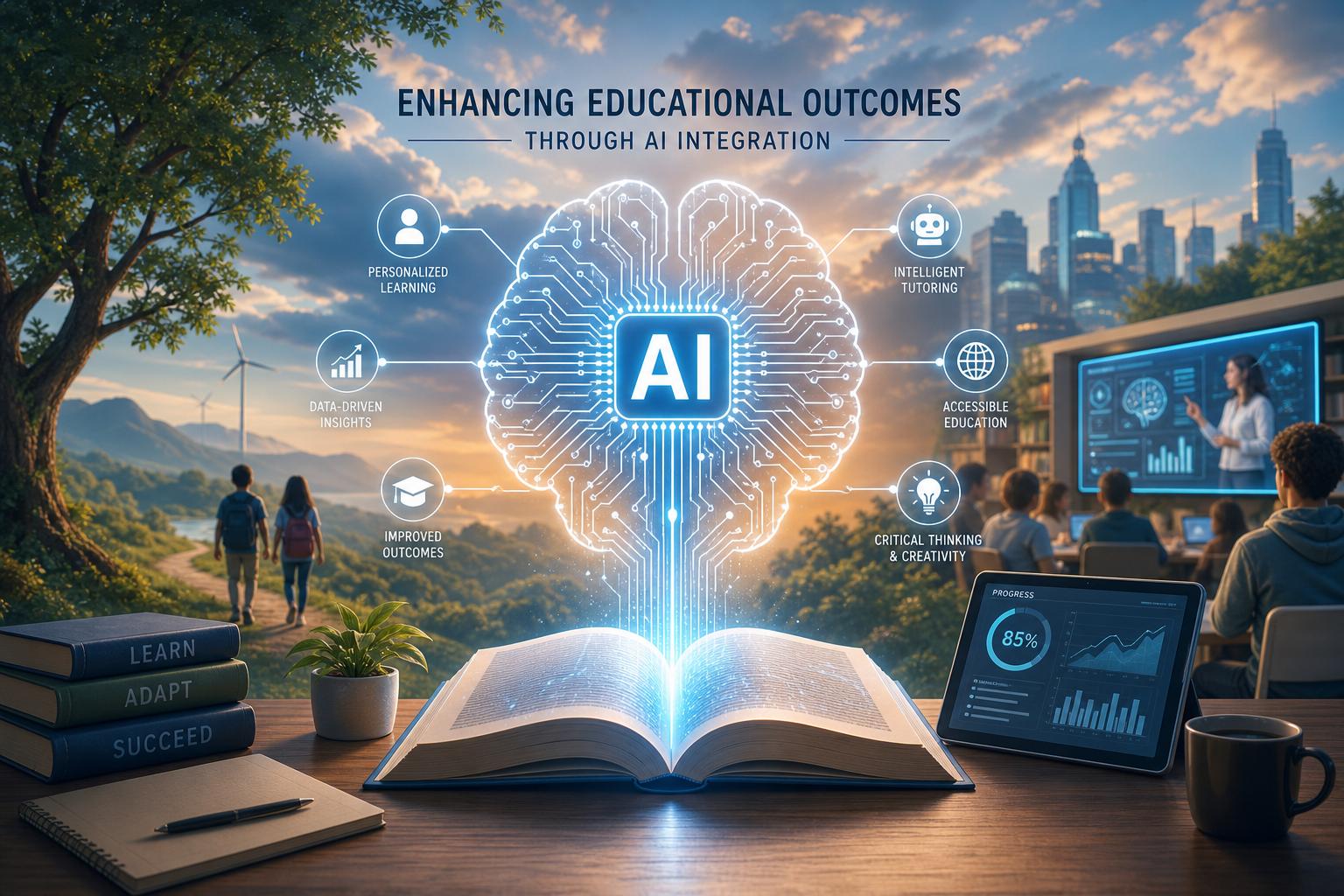
Enhancing Educational Outcomes through AI Integration
The integration of artificial intelligence into educational systems is revolutionizing the way knowledge is delivered and absorbed. AI-powered platforms adapt to individual learning styles, providing personalized feedback and targeted resources that address each student’s unique challenges. This tailored approach leads to deeper comprehension and sustained engagement. Educators benefit by gaining real-time insights through advanced analytics, enabling them to tailor their teaching strategies to maximize student success. This dynamic feedback loop fosters a more inclusive and stimulating learning habitat that empowers both teachers and learners to reach their full potential.
Key advantages of AI integration in education include:
- Adaptive learning paths that evolve with student progress
- Automated administrative tasks, freeing educators to focus on instruction
- Enhanced accessibility for students with disabilities through smart tools
- Data-driven insights enhancing curriculum development and assessment accuracy
| Aspect | Traditional Education | AI-Enhanced Education |
|---|---|---|
| Feedback | Periodic, often delayed | Instant, personalized |
| Content Delivery | Static, one-size-fits-all | Dynamic, customized |
| Teacher Role | Facts delivery and grading | Facilitator and mentor |
Building and Sustaining Trust in an AI-Driven Society
The integration of artificial intelligence into every facet of our society challenges us to create frameworks that foster reliability and openness. Building trust goes beyond technological advancement-it requires transparency in how AI systems are designed, deployed, and supervised. Organizations must prioritize clear communication about AI’s capabilities and limitations, addressing ethical concerns and data privacy proactively. empowering individuals with knowledge and the means to scrutinize AI decisions transforms passive users into active participants, enhancing accountability and trustworthiness.
Key strategies for sustaining trust include:
- Implementing rigorous auditing and validation processes to ensure AI fairness and accuracy
- Adopting inclusive design principles that involve diverse stakeholders throughout development
- Providing accessible explanations for AI-driven outcomes to demystify decision-making
- Establishing regulatory standards that enforce ethical AI practices across industries
| Factor | Trust-Building Element | Impact |
|---|---|---|
| Transparency | open algorithms and data policies | Enhances user confidence and informed consent |
| Accountability | Clear responsibility for AI outcomes | Reduces misuse and improves system reliability |
| Ethics | Embedding fairness and respect for privacy | Promotes equitable and respectful treatment |
Strategic Recommendations for Responsible AI Adoption and Governance
The integration of artificial intelligence into critical societal functions demands a thoughtful and proactive approach to both adoption and governance. Organizations must prioritize transparency by implementing clear AI audit trails and protocols that allow stakeholders to understand how decisions are made. Moreover, fostering cross-disciplinary collaboration can bridge the gap between technical teams and ethical experts, ensuring AI systems are developed with diverse perspectives and societal values in mind. Establishing adaptive regulatory frameworks that can evolve alongside rapidly advancing technologies is essential, providing both flexibility and accountability without stifling innovation.
Effective governance also hinges on empowering individuals through education and awareness initiatives, enabling a more nuanced public understanding of AI capabilities and limitations. Emphasizing ethical design principles such as fairness, privacy, and inclusivity will help mitigate risks related to bias, surveillance, and inequality. Below is a concise overview of strategic pillars essential for responsible AI adoption:
| Strategic Pillar | Key Focus | Outcome |
|---|---|---|
| Transparency | Open algorithms and audit processes | Builds trust and accountability |
| Ethical Integrity | Bias mitigation and privacy safeguarding | Ensures equitable treatment and protection |
| Education | Public AI literacy and workforce training | Increases acceptance and readiness |
| Regulatory Agility | Adaptive laws and standards | Balances innovation with risk management |