
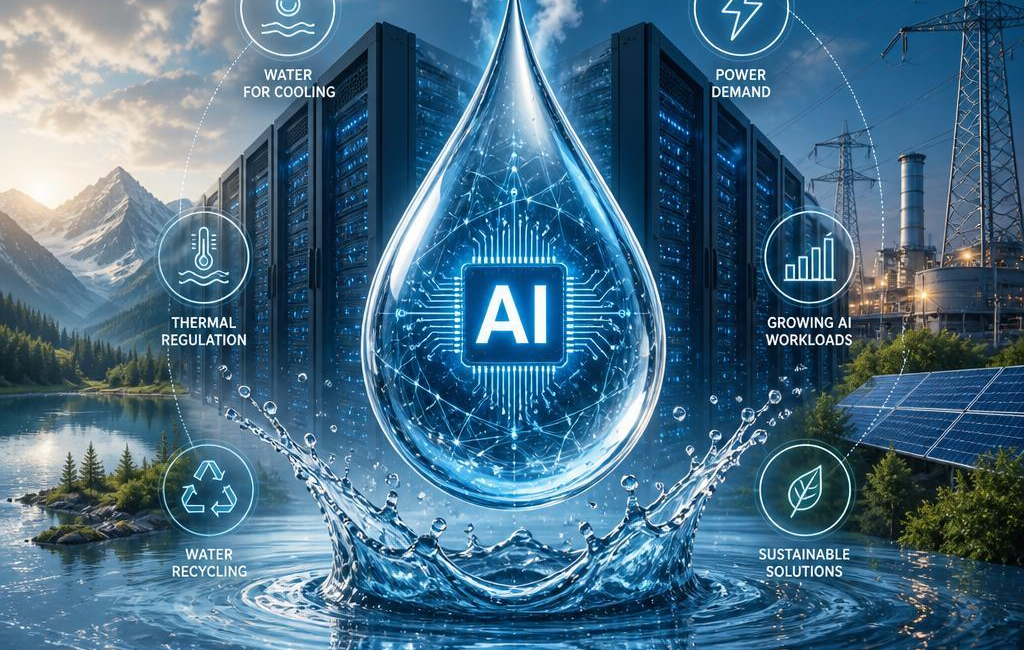
Water Consumption Patterns in AI Data Centers
Data centers that power artificial intelligence applications are among the most water-intensive facilities globally. This is due to their persistent need for effective cooling systems, which frequently enough rely heavily on water-based technologies such as evaporative cooling towers and chillers. As server racks generate tremendous heat during AI computations, maintaining optimal temperatures is critical to prevent hardware malfunction and ensure continuous processing efficiency. Water use in these centers can fluctuate dramatically based on climate, facility designand operational scale, with some sites consuming millions of gallons daily to support their cooling infrastructure.
Understanding the breakdown of water consumption in AI data centers reveals key focus areas for resource optimization:
- Operational Cooling: The largest share of water is dedicated to cooling IT equipment and infrastructure.
- Power Generation: Power plants supplying electricity may use water-intensive cooling processes, indirectly affecting total water use.
- Facility Maintenance: Water used in cleaning and humidifying the data center environment also contributes to the overall footprint.
| Consumption Category | Approximate % of Total Water Use |
|---|---|
| Cooling Systems | 70% |
| Power Generation | 20% |
| Facility Maintenance | 10% |
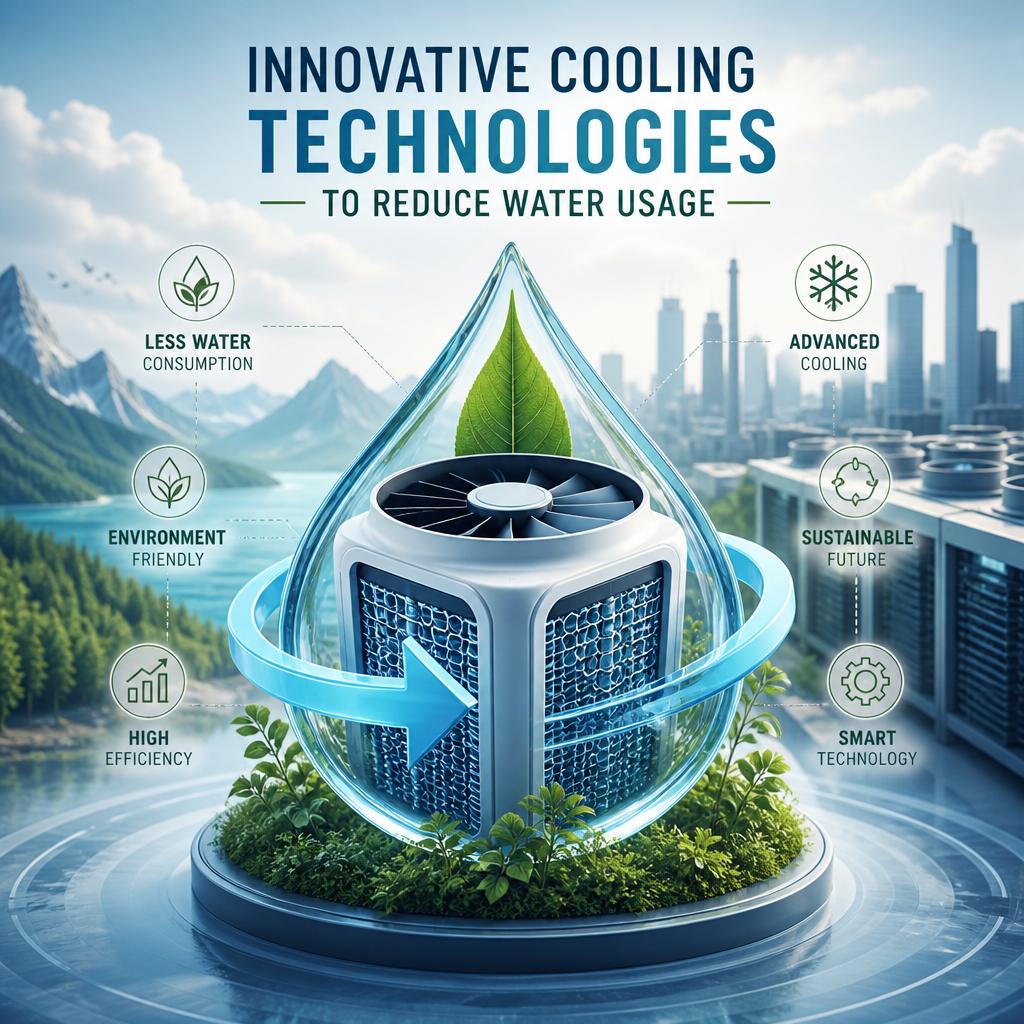
Innovative Cooling Technologies to Reduce Water Usage
As data centers evolve to meet the surging demand for AI capabilities, innovative cooling technologies play a pivotal role in drastically curtailing water consumption. Conventional water-intensive cooling methods are being replaced with advanced approaches such as direct-to-chip liquid cooling and evaporative cooling systems that optimize heat dissipation while minimizing water use. These systems channel coolant precisely where heat is generated, reducing the need for large volumes of water. Additionally, utilizing recycled greywater and integrating humidity-controlled cooling towers further trim the water footprint without compromising performance.
Emerging innovations also include deploying air cooling augmented with phase-change materials, which absorb and dissipate heat more efficiently, reducing reliance on water-cooled loops. Data centers are increasingly adopting modular and scalable cooling architectures that allow dynamic adjustments based on workload intensity, ensuring water is used only when absolutely necessary. The following table summarizes some leading technologies and their estimated water savings:
| Cooling Technology | Water Usage Reduction | Key Benefit |
|---|---|---|
| Direct-to-Chip Liquid Cooling | Up to 70% | Efficient spot cooling |
| Evaporative Cooling Towers with greywater | Up to 50% | Recycles wastewater |
| Phase-Change Material Integration | Around 40% | Passive heat absorption |
Balancing Energy Demands with Sustainable Water Practices
Energy production and water use are intrinsically linked, especially as AI infrastructures like data centers demand increasing amounts of power. These facilities frequently enough rely on large-scale cooling systems to maintain optimal operating temperatures, a process that consumes considerable water resources. To address this challenge,innovative approaches are being developed that optimize water efficiency without compromising energy output. Operators incorporate advanced cooling technologies such as evaporative cooling towers and liquid immersion cooling, which drastically reduce water consumption by cycling water more effectively or using non-water-based coolants. Implementing these strategies is crucial for ensuring a sustainable balance where energy demand does not overwhelm local water supplies.
Beyond technology, sustainable water management in AI-related energy use involves careful planning and policy initiatives. Key practices include:
- Regular assessment of water use intensity per megawatt-hour (MWh) to identify areas for advancement.
- Utilization of reclaimed or graywater systems to minimize freshwater withdrawals.
- Integration of renewable energy sources paired with low-water cooling methods to minimize environmental impacts.
| Cooling Method | Water Use Efficiency | Energy Impact |
|---|---|---|
| Evaporative Cooling | High | Moderate |
| Liquid Immersion | Very High | Low |
| Air Cooling | Low | High |
Strategic resource management not only supports reliability and cost efficiency but also steers the trajectory of AI power infrastructures towards a more sustainable future.
Strategic Recommendations for Water-Efficient Data Center Operations
Implementing targeted water efficiency strategies in data centers can drastically reduce consumption without compromising cooling or operational integrity. Employing closed-loop cooling systems minimizes water loss by recycling and reusing cooling fluids,while advanced monitoring technologies enable real-time adjustments to optimize water flow based on demand.Additionally, transitioning to air-based cooling alternatives-where environmental conditions permit-can cut water dependency by leveraging natural air circulation, effectively maintaining device temperature without sacrificing performance.
- Optimize Cooling System Design: Use modular, scalable systems tailored to exact cooling needs.
- Leverage reclaimed Water: Utilize treated wastewater for non-potable cooling processes.
- Implement Smart Irrigation: For green spaces surrounding facilities, integrate sensor-driven irrigation controls to minimize excess water use.
- Regular Maintenance: Ensure equipment efficiency and prevent leaks that can led to spikes in water consumption.
| Strategy | Water Savings Potential | Key Benefit |
|---|---|---|
| Closed-loop cooling | Up to 50% | Reduced water replenishment needs |
| Air-Cooled Systems | up to 100% (in dry climates) | Eliminates water use for cooling |
| Reclaimed Water usage | Variable | Conserves potable water resources |
| Smart Irrigation Controls | 20-40% | Minimizes landscaping water waste |