
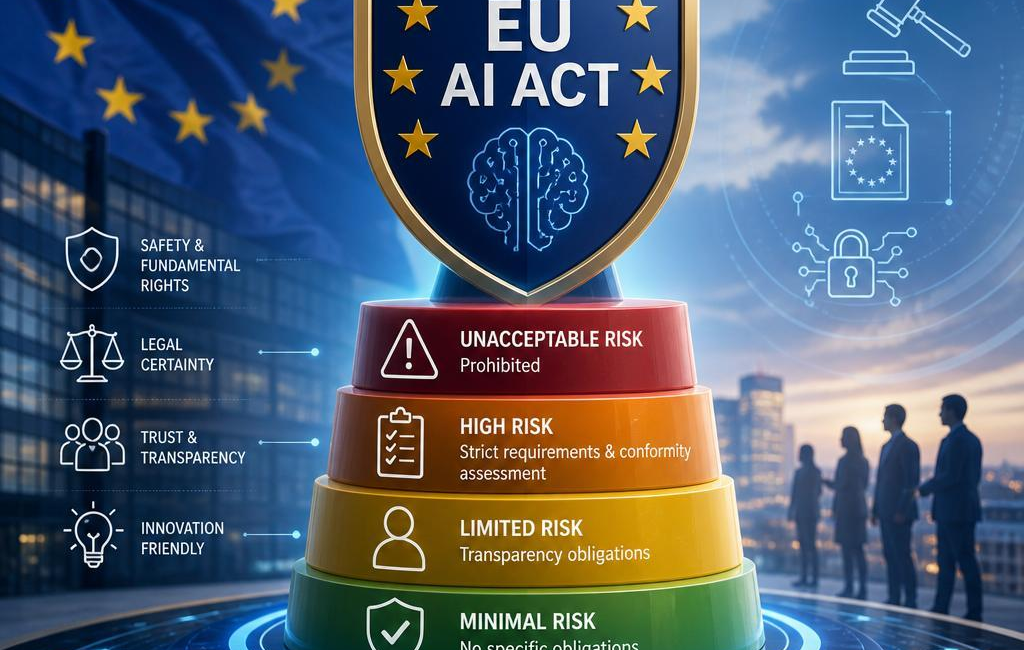
Understanding the Categorization of AI Systems Under the EU AI Act
At the core of the EU AI Act lies a risk-based framework which segments artificial intelligence systems into distinct categories based on the potential impact they exert on fundamental rights and safety. This classification serves to ensure that regulatory oversight is proportionate and focused,balancing innovation promotion with harm prevention. Four principal categories emerge from this framework:
- Unacceptable risk: Systems banned due to meaningful threats to privacy, safety, or fundamental rights.
- High risk: AI systems used in critical sectors such as healthcare, transportationor law enforcement, requiring stringent compliance and openness.
- Limited risk: AI applications with specific transparency obligations to inform users they are interacting with an AI system.
- Minimal or no risk: Most AI systems fall here,considered low impact and subject to minimal regulation.
The categorization is not static but dynamic, adapting as AI technologies evolve. To better illustrate, consider this simplified overview:
| Risk Category | Example AI Applications | Primary Regulatory focus |
|---|---|---|
| Unacceptable Risk | Social scoring, biometric surveillance without consent | Prohibition |
| High Risk | Credit scoring, autonomous vehicles | Compliance, documentation, auditing |
| Limited Risk | Chatbots, deepfake detection | User transparency |
| Minimal Risk | Spam filters, video game AI | Voluntary codes of conduct |
This nuanced approach ensures that regulatory efforts are tailored, addressing the relative dangers while enabling benign or beneficial AI applications to flourish with minimal friction.
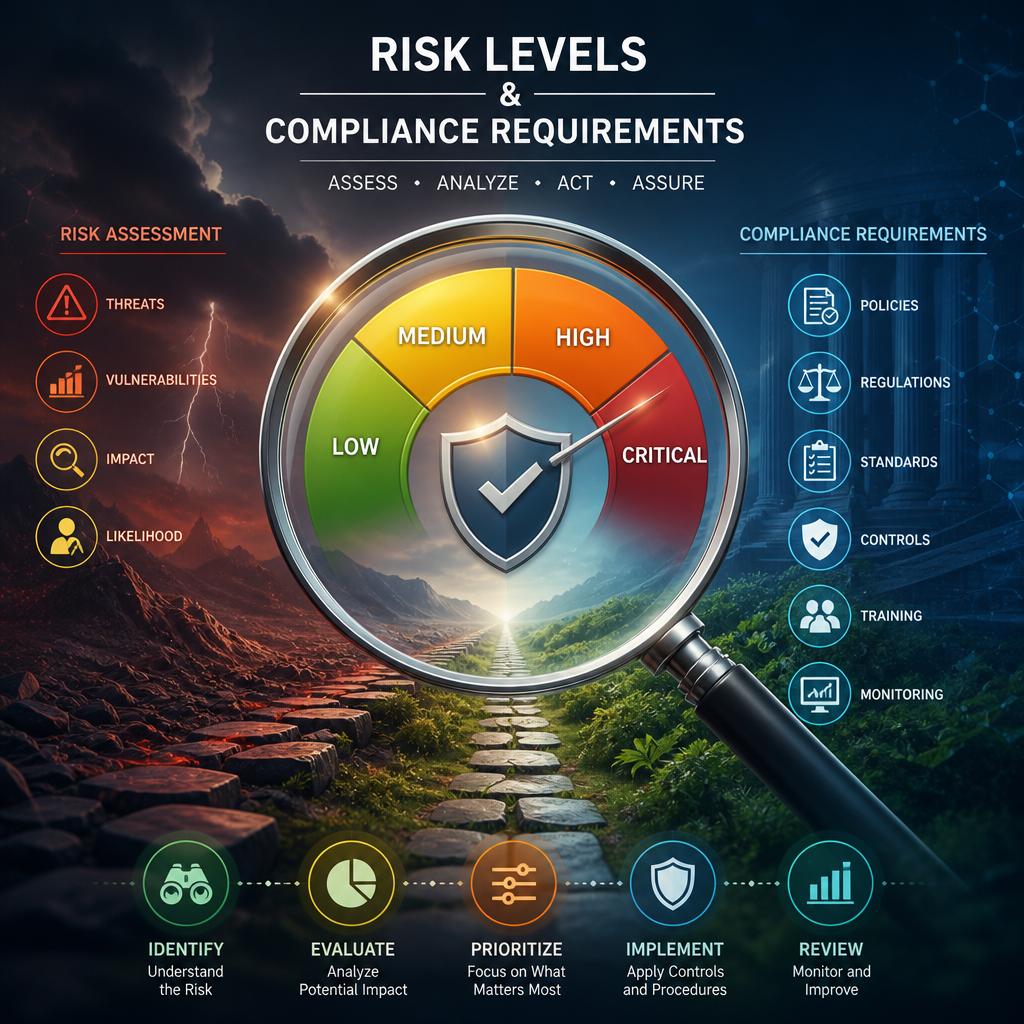
Detailed Examination of Risk Levels and Corresponding Compliance Requirements
The EU AI Act introduces a tiered framework that categorizes AI systems into distinct risk levels,each triggering specific regulatory obligations. At the core of this framework are four primary risk categories: minimal Risk, Limited Risk, High Riskand unacceptable Risk. Minimal Risk systems, such as AI used for spam filters, face virtually no regulatory restrictions. Limited Risk systems, frequently enough involving transparency obligations, require providers to inform users when they are interacting with AI.This graduated approach ensures proportionality, focusing regulatory efforts on areas where AI can substantially impact safety, fundamental rightsor societal values.
For High Risk AI systems-covering use cases like biometric identification or critical infrastructure management-the compliance regime is notably stringent. requirements include rigorous conformity assessments, detailed data governanceand robust documentation to ensure traceability and accountability. Below is a concise overview of the compliance requirements associated with each risk level:
| Risk Level | Key Compliance Requirements |
|---|---|
| Minimal Risk | Voluntary transparency, minimal oversight |
| Limited Risk | User notification, basic transparency measures |
| High Risk | Conformity assessment, risk management, data quality control |
| Unacceptable Risk | Prohibited AI practices entirely banned |
Strategies for Implementing Effective Risk Management in AI Development
Effective risk management in AI development hinges on a proactive approach that embeds compliance and ethical standards early in the design process. Teams should implement continuous risk assessments to identify potential hazards ranging from data bias to system vulnerabilities. These assessments must align with the EU AI Act’s requirements to categorize AI applications based on their risk level, ensuring tailored mitigation strategies. Emphasizing transparency and accountability, developers should incorporate robust documentation and audit trails, which serve as critical evidence during regulatory reviews and help build trust with end users and stakeholders alike.
Organizations can further reinforce their risk management framework by adopting the following best practices:
- Interdisciplinary Collaboration: Engage experts from legal, technicaland ethical fields to address multifaceted risks comprehensively.
- Iterative Testing & Validation: Use phased testing cycles that simulate real-world scenarios to detect and rectify risk factors early.
- User-Centric Risk Controls: Design user-pleasant opt-out mechanisms and clear consent protocols to empower individuals in managing AI interactions.
| Key Strategy | Purpose | Outcome |
|---|---|---|
| Risk Categorization | Define AI request’s compliance level | Prioritized and focused risk mitigation |
| Stakeholder Engagement | Gather diverse perspectives on risk | Extensive and inclusive safeguards |
| Regulatory Alignment | Ensure conformity with EU AI Act | Reduced legal exposure and market access |
Best Practices for Navigating Legal Obligations and Ensuring Regulatory Alignment
Complying with the EU AI Act requires a proactive approach that balances thorough legal understanding with strategic implementation. Organizations should integrate compliance assessments early in the AI development lifecycle to identify high-risk scenarios and apply corresponding safeguards. This entails conducting detailed impact analyses and maintaining clear documentation to demonstrate adherence to transparency and accountability standards. Additionally, collaboration between legal, technicaland compliance teams is critical to ensure all regulatory nuances of the AI Act are translated into actionable compliance workflows, thereby preventing costly breaches or regulatory setbacks.
To effectively align with regulations, firms must prioritize the establishment of dedicated governance frameworks that promote ongoing monitoring and risk mitigation. Key practices include:
- Regular training for staff on evolving AI regulations and ethical considerations
- Implementing automated compliance tools that track AI system behavior against regulatory benchmarks
- Establishing open channels for stakeholder feedback and incident reporting
| Compliance Activity | Frequency | Responsibility |
|---|---|---|
| risk Assessment Updates | Quarterly | Compliance Officer |
| Training Sessions | Biannual | HR & Legal teams |
| System Audits | Annual | Technical & Audit Team |
embedding these best practices fosters a culture of compliance that not only meets the letter of EU regulations but also reinforces trust and ethical AI deployment across all operational levels.