
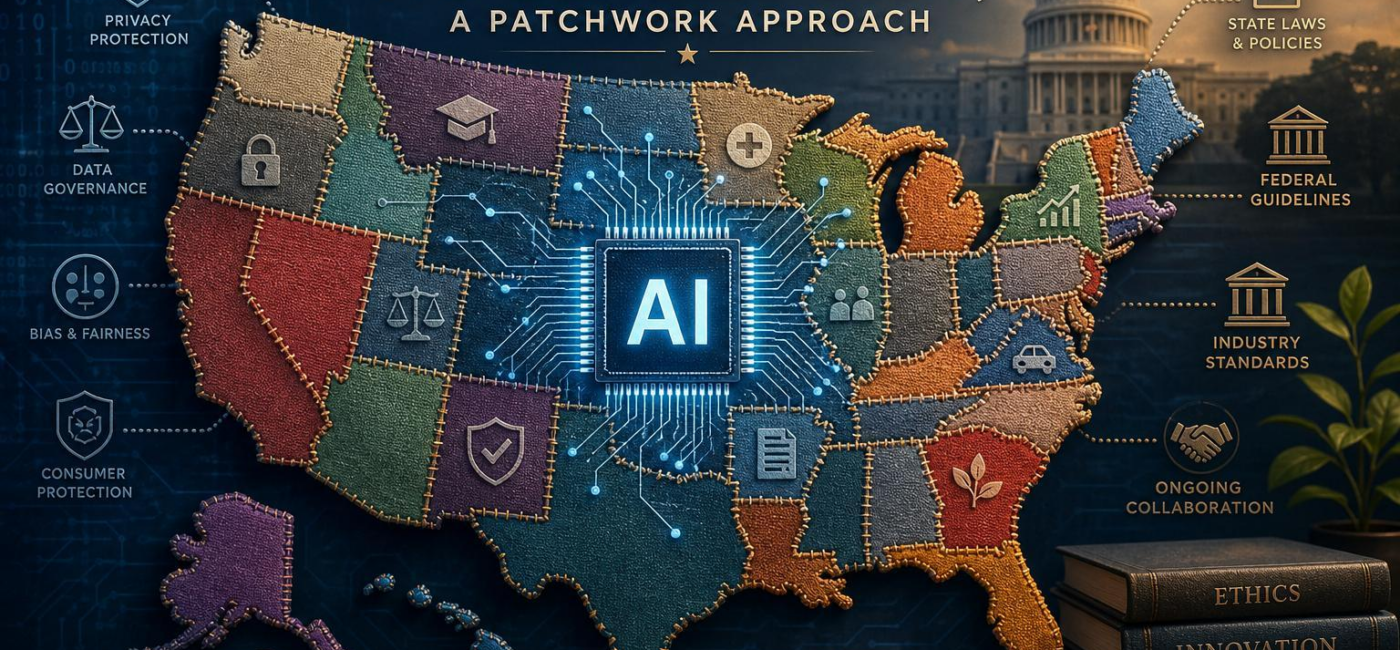
U.S. AI Regulatory Landscape Reflects Fragmented Governance Across Multiple Agencies
In the United States, the regulatory framework governing artificial intelligence is characterized by a complex web of oversight spread across several federal agencies rather than centralized under a single legislative mandate. This decentralized structure results in a patchwork of rules and guidelines that vary significantly depending on the sector and the involved governmental body. Key players include the Federal Trade Commission (FTC), which focuses on consumer protection and fairness, and the Department of Commerce, which looks to promote innovation while mitigating risks. Additionally, agencies like the Food and Drug Management (FDA) and the Department of Transportation (DOT) regulate AI applications specific to healthcare devices and autonomous vehicles, respectively. This multiplicity of jurisdictions frequently enough leads to overlapping authorities and inconsistent enforcement standards.
Essential elements contributing to this fragmented governance include:
- Specialized agency mandates tailored to distinct industries
- Separate legislative frameworks addressing privacy, safety, and fairness
- Voluntary guidelines and frameworks supplemented by agency-specific rulemaking
- Dynamic interplay between federal and state-level regulations
| Agency | Primary AI Oversight Role | Sector Focus |
|---|---|---|
| FTC | Consumer protection, fairness, anti-bias practices | General digital services |
| FDA | Safety and efficacy of AI-enabled medical devices | Healthcare |
| DOT | Regulation of AI in transportation safety | Automotive and aviation |
| Department of Commerce | Innovation promotion and risk management | Broad tech progress |

Implications of a Patchwork Regulatory Approach on Innovation and Compliance
The fragmented nature of AI regulation across the U.S. creates complex challenges for companies striving to innovate while remaining compliant. Without a unified framework, businesses must navigate a maze of varying standards at the federal, state, and sector-specific levels. This inconsistency can lead to increased compliance costs and slower deployment of AI technologies as firms allocate resources to manage diverse legal requirements rather than advancing their core innovations. Moreover, smaller startups frequently enough face a disproportionate burden compared to larger players, perhaps stifling competition and reducing market dynamism.
From an innovation standpoint, the patchwork system introduces both risks and opportunities. While some regions may foster experimental AI applications through lenient regulations, others may impose strict controls that hinder development. Key implications include:
- Compliance Complexity: Multiple overlapping laws create uncertainty, forcing firms to adopt conservative approaches that can blunt innovation momentum.
- Unequal Playing Field: Divergent regulations across states can fragment the market, causing inconsistent AI adoption rates nationwide.
- Operational Burdens: Managing different compliance regimes requires refined legal and technical infrastructures.
| Regulatory Aspect | Implication for Innovation | Compliance Challenge |
|---|---|---|
| Data Privacy Laws | Variable constraints limit data use for AI training | Adapting to multiple privacy regimes concurrently |
| Sector-specific Rules | Custom rules create barriers but also promote tailored solutions | Keeping up with rapidly changing mandates |
| State-level Divergence | Opportunities for regional experimentation and innovation | Risks of market fragmentation and compliance duplication |
Critical Challenges Posed by Inconsistent AI Standards across States and sectors
In the current landscape, the fragmented nature of AI regulation across states and industries creates a complex maze for businesses and developers alike. Companies must navigate a labyrinth of varying standards that differ not only by jurisdiction but also by sector, from healthcare to finance to consumer goods. This disjointed approach leads to significant compliance burdens, risk of inadvertent violations, and stifled innovation. Without a unified framework, stakeholders face challenges in establishing scalable, interoperable AI solutions that can be widely adopted without extensive customization for local regulations.
The consequences of this patchwork regulatory surroundings include:
- Inconsistent definitions and thresholds for AI accountability and transparency
- Divergent data privacy and security requirements affecting AI data handling
- Varying liability standards hindering cross-border collaboration
- Unequal enforcement mechanisms causing uncertainty and uneven competitive advantages
| Sector | State Variance | Impact |
|---|---|---|
| Healthcare | Strict privacy rules in CA, lax in TX | Fragmented patient data usage standards |
| Finance | Differing risk assessment mandates | Complex AI credit modeling |
| Consumer Tech | Varied transparency & consent laws | Uneven user protections |
Strategic Recommendations for Harmonizing U.S. AI Regulations to Foster Responsible Development
Efforts to unify U.S. AI regulations must prioritize creating a cohesive framework that balances innovation with ethical responsibility. This requires coordinated federal guidelines that can harmonize the existing patchwork of state laws and sector-specific rules. Essential strategic steps include:
- Establishing a central AI regulatory body to oversee compliance and facilitate consistent enforcement nationwide.
- Promoting interoperability between state and industry regulations to reduce redundancies and compliance burdens for developers and companies.
- Embedding flexibility in policies to adapt rapidly to evolving AI technologies and breakthroughs.
Transparency and accountability mechanisms must be built into regulatory designs to foster trust while mitigating risks. A multi-layered approach can ensure that responsible AI development is incentivized without stifling progress. Consider the following framework for balancing priorities:
| Regulatory Focus | Key Action | Expected Impact |
|---|---|---|
| Innovation Enablement | Streamlined approvals for low-risk AI applications | Accelerated AI advancement and commercialization |
| Risk Mitigation | Strict audit requirements for high-impact AI systems | Minimized harms and ethical breaches |
| Public Engagement | Regular stakeholder consultations | Enhanced public trust and informed policymaking |