
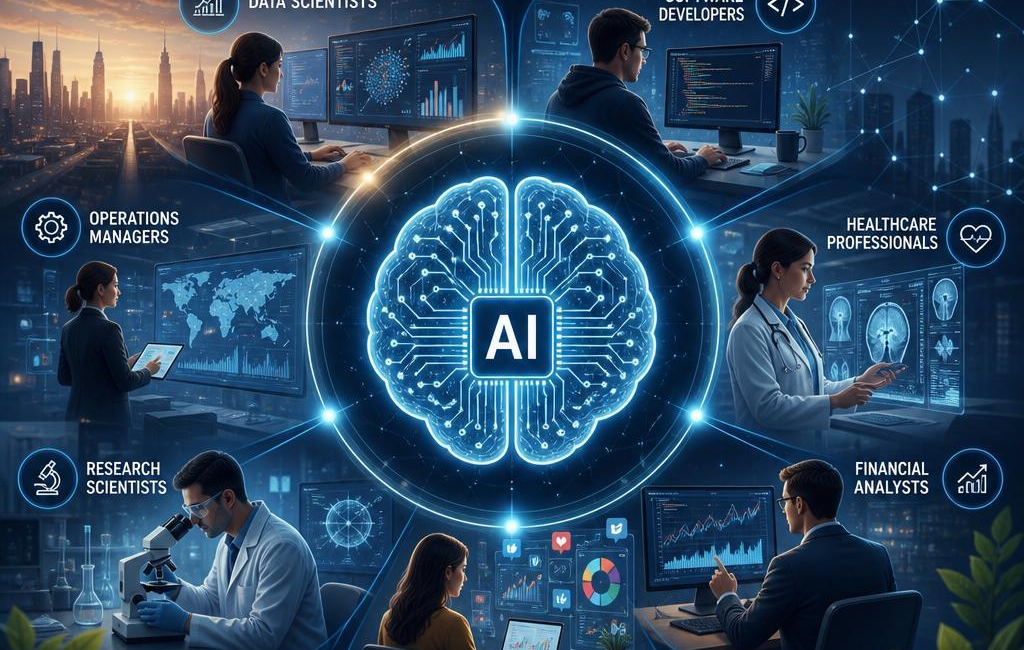
Top Industries Transforming Workforce Dynamics with Artificial Intelligence
Artificial Intelligence has revolutionized how industries approach workforce management by driving efficiency, innovationand strategic decision-making. In the technology sector, AI is deeply embedded in software progress, cybersecurityand data analysis roles, enhancing both productivity and security measures. Meanwhile, the healthcare industry leverages AI for diagnostics, treatment personalizationand patient management, transforming customary caregiving into precision-based medicine. These fields are pioneering the adoption of AI tools that not only augment human capabilities but also redefine job roles, requiring professionals to develop hybrid skills that combine domain expertise with technical acumen.
The financial services sector illustrates AI’s impact through automated trading, fraud detection, and customer service via intelligent chatbots, reshaping the skill sets needed for roles in banking and investment. Similarly, the manufacturing and logistics fields utilize AI-powered robotics and predictive analytics to streamline operations, reduce downtime, and optimize supply chains. Below is a concise overview of some top industries embracing AI-driven workforce change:
| industry | Key AI Applications | Impact on Workforce |
|---|---|---|
| Technology | Machine learning, cybersecurity, automation | Demand for data scientists, AI specialists |
| Healthcare | Medical imaging, predictive analytics | Hybrid clinical and tech skills |
| Finance | Algorithmic trading, fraud detection | shift to analytical and compliance roles |
| Manufacturing | Robotics, supply chain analytics | Focus on automation and system oversight |
| Retail | Customer behavior analysis, inventory optimization | Enhanced roles in data-driven marketing |
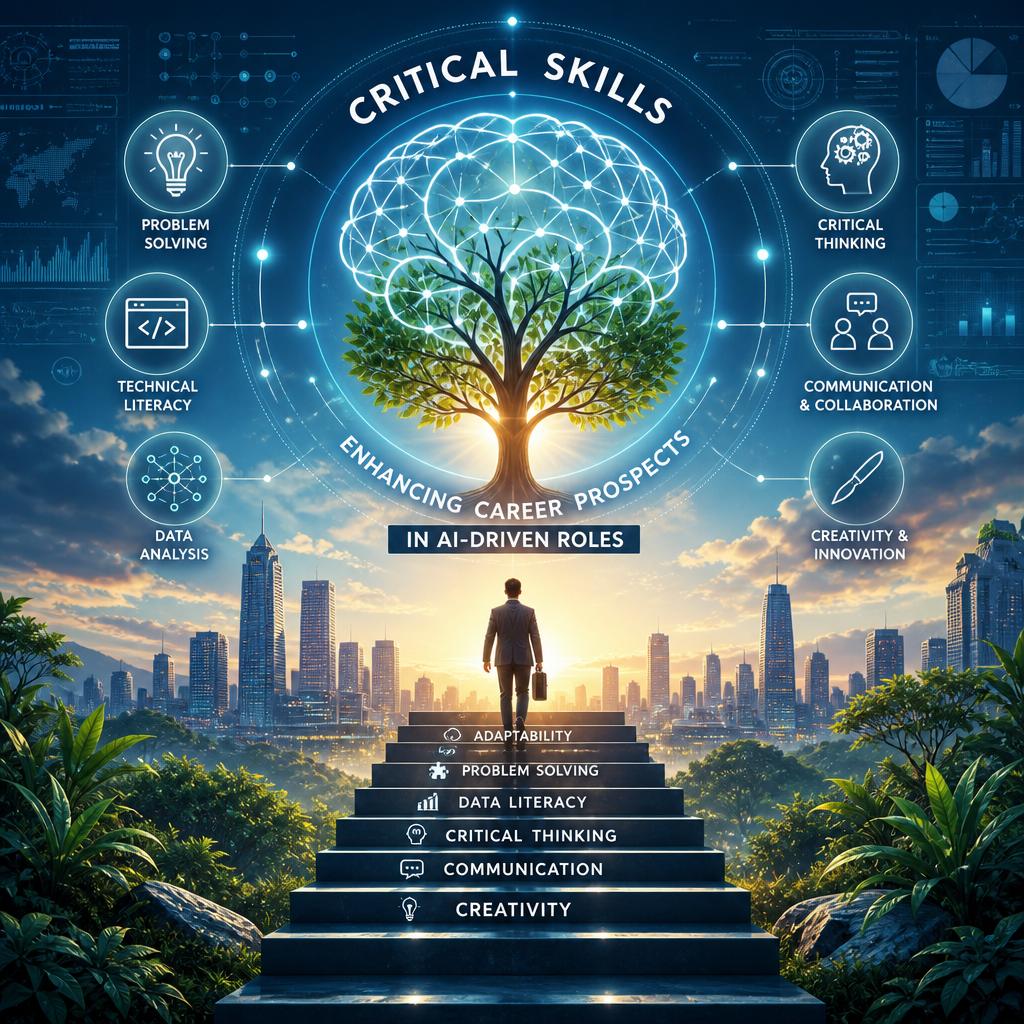
Critical Skills Enhancing Career Prospects in AI-Driven Roles
In today’s competitive AI-driven job market, mastering a blend of technical and interpersonal skills is paramount. Employers highly value proficiency in programming languages such as Python and R, alongside expertise in machine learning frameworks like TensorFlow and PyTorch.Equally significant is a solid grounding in data analytics and statistical methods, enabling professionals to interpret complex datasets and draw actionable insights that fuel AI applications. These core competencies not only facilitate the development and deployment of intelligent systems but also ensure adaptability amid rapidly evolving technologies.
Beyond technical prowess, cultivating critical soft skills enhances career advancement in AI roles. Effective dialog and collaboration empower teams to bridge the gap between data scientists, engineersand business stakeholders, ensuring project alignment and impactful outcomes. Additionally, a strong problem-solving mindset and ethical awareness are indispensable in navigating AI’s challenges and mitigating risks. The following table highlights essential skills mapped against their practical benefits in AI-driven environments:
| skill Category | Key Competencies | Career benefits |
|---|---|---|
| Technical Skills | Python, Machine Learning, Data Analytics | Improved solution development & innovation |
| Soft Skills | Communication, Teamwork, Ethical Awareness | Enhanced collaboration & decision-making |
| Strategic Thinking | Problem Solving, Critical Analysis | Effective handling of complex challenges |
Strategic Approaches for Professionals to Excel in AI-Powered Job Markets
In the rapidly evolving landscape of AI-powered job markets, professionals must adopt a strategic mindset to remain competitive and relevant. Embracing continuous learning is paramount; staying updated with emerging AI technologies and integrating them into everyday work processes catalyzes career advancement.Cultivating cross-disciplinary expertise, such as blending domain knowledge with AI proficiency, positions individuals as invaluable assets in sectors like healthcare, financeand manufacturing. Equally important is developing a strong foundation in data literacy and algorithmic thinking, enabling professionals to collaborate effectively with technical teams and leverage AI tools to drive decision-making.
Strategic approaches to excel include:
- Proactive Skill Diversification: Pursue certifications and training in AI-related fields beyond one’s core expertise to unlock multidimensional career pathways.
- Adaptability to Technological Shifts: Stay flexible in adopting new tools and methodologies,recognizing that AI integration will continually reshape job functions.
- Networking in AI Communities: Engage with industry groups and forums to exchange knowledge and identify emerging opportunities rapidly.
- Ethical AI Literacy: Understand the ethical implications of AI deployment to contribute to responsible innovation and enhance organizational trust.
| Approach | Key Benefit | Example Application |
|---|---|---|
| Skill Diversification | Broader job opportunities | Data analyst + AI certification |
| Adaptability | Resilience to market changes | Upskilling in AI tools |
| Networking | Access to insider insights | Joining AI think tanks |
| Ethical Awareness | Promote responsible practices | AI compliance officer roles |
Future Outlook and Emerging Opportunities in AI adoption Across Sectors
As AI continues to evolve, its impact is set to deepen across diverse industries beyond current frontrunners like technology and healthcare. The future reveals unparalleled opportunities for sectors such as education, environmental scienceand manufacturing to harness advanced AI for transformative outcomes. Educational platforms will leverage AI to create hyper-personalized learning experiences, adapting content in real time to student needs, while environmental agencies will deploy AI-driven predictive analytics to combat climate change and optimize resource management. Manufacturing, on the other hand, is poised to embrace AI-powered automation and quality control to enhance productivity and safety standards significantly.
- Personalized learning systems revolutionizing academic achievement.
- AI in sustainability for real-time environmental monitoring.
- Smart factories optimizing production and reducing waste.
| Sector | Emerging AI Use Case | Potential Impact |
|---|---|---|
| Education | Adaptive learning platforms | Boosts student engagement and outcomes |
| Environmental Science | Predictive climate modeling | Informs proactive conservation efforts |
| Manufacturing | AI-driven robotics | Enhances efficiency and safety |
Moreover, the integration of AI with emerging technologies such as blockchain, IoTand quantum computing is setting the stage for groundbreaking innovations. Industries adopting this multidisciplinary approach will unlock competitive advantages by improving transparency, security, and processing power. This convergence presents exciting career pathways for professionals adept in both AI and these complementary domains,marking a new era of high adoption and specialization. Forward-thinking organizations are already investing heavily in upskilling their workforce to thrive in this dynamic landscape.