

Understanding Core AI concepts for Nontechnical Professionals
To effectively engage with AI-driven tools and workflows, nontechnical professionals should ground themselves in a few essential concepts. Understanding machine learning as the backbone of AI reveals how systems improve through data exposure rather than explicit programming. The notion of algorithms-essentially step-by-step problem-solving procedures-helps demystify how AI processes inputs to generate outputs. Appreciating the principles of data quality and bias is crucial, as flawed or unrepresentative data can skew AI performance and decision-making outcomes. these concepts provide a practical lens to assess AI applications critically without needing to dive into coding specifics.
Developing a familiarity with core AI terminologies also empowers professionals to communicate effectively with technical teams and contribute to strategic conversations. Key terms to explore include:
- Neural networks: Models inspired by biological brains that enable complex pattern recognition.
- Natural Language Processing (NLP): Technologies that interpret and generate human language.
- Automation vs. augmentation: Distinguishing whether AI replaces tasks or enhances human work.
- Ethical AI: Understanding fairness, transparencyand accountability in AI use.
| Concept | Practical Implication |
|---|---|
| Machine Learning | Customizing software that learns your team’s data patterns |
| Algorithm | Rule sets that drive decision-making transparency |
| Data Bias | Recognizing skewed inputs that may distort outputs |
| Natural Language Processing | Enabling chatbots and automated communications |
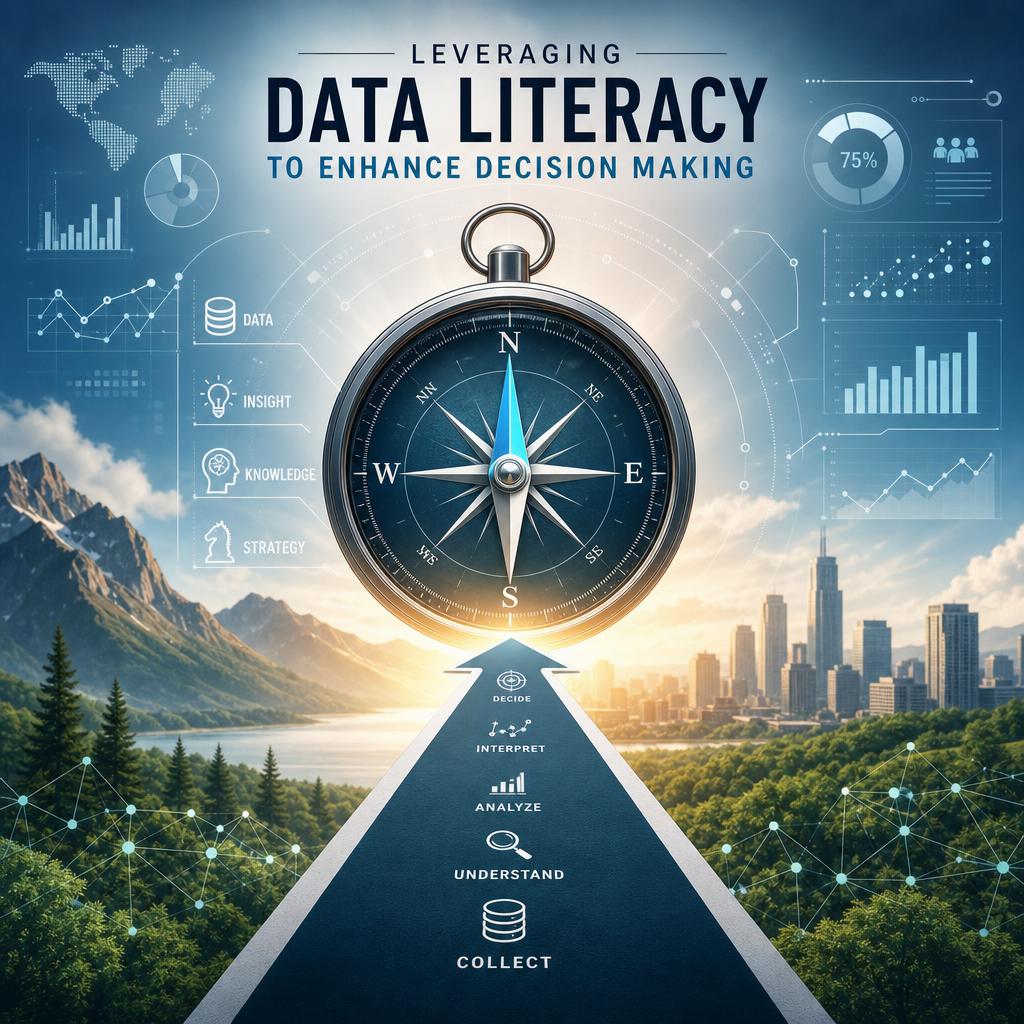
Leveraging Data Literacy to Enhance Decision Making
Data literacy forms the backbone of sound decision-making in today’s AI-driven workplace, especially for nontechnical professionals. Understanding how to interpret, analyzeand communicate data insights equips workers with the confidence to navigate complex datasets and derive actionable conclusions. This skill set empowers individuals to challenge assumptions, reduce biases, and prioritize solutions based on evidence rather than intuition alone. Developing data fluency also fosters collaboration across departments, allowing teams to collectively assess performance metrics and optimize business strategies with precision.
Key competencies that enhance data-driven decisions include:
- Data Interpretation: Ability to extract meaningful patterns from raw data.
- Data Visualization: Crafting clear and compelling charts to communicate findings.
- Critical Thinking: Evaluating data quality and relevance objectively.
- Practical Request: Aligning insights with business goals for immediate impact.
| Data Insight | Decision Impact | Example Use |
|---|---|---|
| Trend Identification | Prioritize resource allocation | Forecasting sales spikes |
| Customer Segmentation | Target marketing efforts | Personalized promotions |
| Performance Metrics | Improve operational efficiency | Reducing production downtime |
Mastering AI Tools for Everyday Workplace Efficiency
In today’s rapidly evolving workplace, nontechnical employees equipped with foundational AI skills can transform routine tasks into streamlined, productivity-enhancing workflows.By harnessing the power of AI-driven tools such as automated scheduling assistants, intelligent data analysis platforms, and natural language processing applications, nontechnical workers can focus on higher-value activities without the need for complex coding knowledge. Mastering key AI competencies like data interpretation, prompt engineering, and tool customization allows these workers to significantly reduce manual effort, improve decision-making accuracyand foster collaborative innovation across teams.
Understanding practical AI applications involves recognizing when and how to deploy these tools strategically. Here’s a quick overview of essential AI skills tailored for the nontechnical workforce:
- Data literacy: Interpreting AI-generated insights to inform business decisions.
- Workflow automation: Utilizing AI to eliminate repetitive tasks and speed up operations.
- Prompt crafting: Designing effective queries to maximize AI response quality.
- Tool evaluation: Assessing AI software suitability based on specific workplace needs.
| Skill | Benefit | Example Tool |
|---|---|---|
| Data Literacy | Make informed decisions from AI insights | Tableau, power BI |
| Workflow Automation | Reduce repetitive manual work | Zapier, Microsoft Power Automate |
| Prompt Crafting | Extract precise responses from AI | ChatGPT, Jasper |
| Tool Evaluation | Choose optimal AI solutions | Capterra, G2 |
Building Ethical Awareness and Responsible AI Usage
As artificial intelligence becomes increasingly embedded in everyday workflows, it’s essential for nontechnical workers to cultivate a strong sense of ethical awareness. This begins with understanding that AI systems are not infallible and often reflect the biases present in their training data. Being mindful of these limitations enables employees to critically evaluate AI outputs rather than accepting them at face value.Additionally, adherence to ethical guidelines ensures that decisions driven or supported by AI prioritize fairness, transparency, and respect for privacy-values crucial to maintaining trust within an organization and its stakeholders.
To empower responsible AI usage, nontechnical professionals should focus on a set of core ethical competencies, such as:
- Recognizing Bias: Identifying potential disparities in AI predictions that could disadvantage certain groups.
- Data Privacy Awareness: Understanding the implications of data collection and ensuring confidential information is protected.
- AI Accountability: Accepting responsibility for AI-assisted decisions and advocating for human oversight when necessary.
| Ethical Principle | Practical Action |
|---|---|
| Transparency | question how AI makes decisions and seek clear explanations. |
| Fairness | Ensure AI outcomes do not disproportionately affect any demographic. |
| Privacy | Safeguard personal and sensitive data in AI processes. |