

The Environmental Impact of data center Water Consumption on local Ecosystems
Data centers require colossal volumes of water to maintain operational temperatures, often drawing heavily from local water supplies.This intense demand substantially strains nearby aquatic ecosystems and groundwater reserves, especially in arid regions where water scarcity is already a pressing concern. Water-intensive cooling technologies such as evaporative cooling towers and chillers not only consume water but also release warm,mineral-rich effluents back into natural water bodies,altering their temperature and chemical balance. Such changes can disrupt aquatic habitats, threatening sensitive species and reducing biodiversity.
- Water withdrawal: Reduces availability for agriculture, drinkingand wildlife.
- Thermal pollution: Raises river and lake temperatures, stressing aquatic life.
- Contaminant discharge: Introduces chemicals harmful to flora and fauna.
- Altered water cycles: Impacts rainfall patterns and soil moisture levels.
| Impact Type | Local Ecosystem Effect | Severity |
|---|---|---|
| Water Depletion | Lower stream flows in dry seasons | High |
| Thermal Pollution | Fish migration disruption | Medium |
| Chemical Exposure | Plant toxicity & bioaccumulation | Medium |
| Altered Water Cycle | Decline in wetland health | Low |
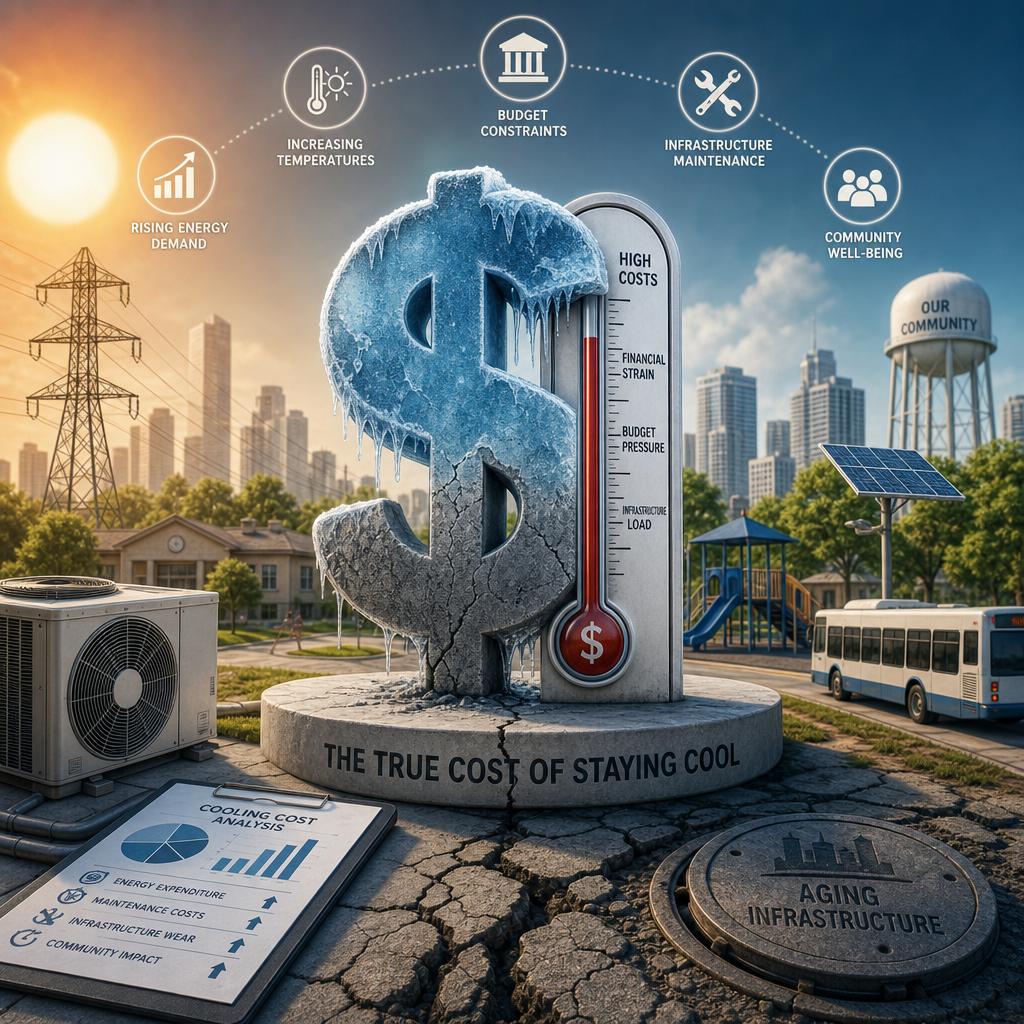
Assessing the Economic Burden of Cooling Costs on Community Infrastructure
The escalating demand for data processing and storage has compelled communities to grapple with the escalating expenses tied to cooling infrastructure. Cooling systems, indispensable for maintaining optimal operating temperatures in data centers, exert meaningful pressure on local resources and budgets. Communities face several economic challenges stemming from these cooling requirements, including:
- Increased municipal water consumption leading to higher utility costs.
- Amplified energy demand, straining local power grids and raising electricity rates.
- Infrastructure upgrades and maintenance expenses borne by local governments.
To illustrate, consider the comparative costs of cooling water consumption in various community infrastructures:
| Community Sector | Average Monthly Water Usage (m³) | Cooling-Related Energy Expenditure (%) |
|---|---|---|
| Data Centers | 15,000 | 55% |
| Hospital Facilities | 3,200 | 25% |
| Educational Institutions | 1,500 | 18% |
These figures underscore the disproportionate impact that data centers have on community infrastructure resources. The need to accommodate such substantial water and energy consumption frequently enough drives local authorities to implement stringent regulations and innovative solutions focused on sustainability and cost mitigation.
Innovative Cooling Technologies to Reduce Water Usage and Energy Expenditure
Emerging cooling solutions are transforming how data centers manage their environmental footprint, particularly in reducing water and energy consumption. Among the forefront of these innovations is the adoption of liquid immersion cooling, where servers are submerged in dielectric fluids that efficiently dissipate heat without relying on evaporative water cooling. This method can reduce water use by up to 99%, while also lowering energy demands by minimizing the need for customary air conditioning systems. Additionally, indirect evaporative cooling systems leverage outside air without direct contact with the data center equipment, cutting water usage drastically and maintaining optimal operating temperatures year-round.
Another promising approach involves the integration of renewable energy sources with advanced thermal management technologies. By harnessing solar and wind power alongside innovative heat recovery systems, data centers can repurpose waste heat for nearby communities or industrial applications, forming a symbiotic relationship that maximizes energy efficiency. The table below illustrates a comparative snapshot of key water and energy savings across different cooling technologies:
| Cooling Technology | Water Use Reduction | Energy Savings (%) |
|---|---|---|
| Liquid Immersion Cooling | Up to 99% | 30-50% |
| Indirect Evaporative Cooling | 70-90% | 20-35% |
| Air Economization Systems | Minimal | 15-25% |
Policy Recommendations for Sustainable Data Center Water Management Practices
To effectively address the growing concerns over water consumption and cooling costs in data centers, robust policy frameworks must prioritize water-use efficiency and environmental stewardship. Governments and regulatory bodies should incentivize the adoption of advanced cooling technologies such as liquid cooling and air-side economization that drastically reduce freshwater dependency. Additionally, establishing strict water withdrawal limits tailored to local water availability can prevent over-extraction from vulnerable watersheds, protecting community water resources and biodiversity alike.
- Mandate complete water footprint reporting for data centers,enabling transparency and community accountability.
- Promote water reuse and recycling within facility operations, integrating greywater systems and rainwater harvesting.
- Encourage regional collaboration to optimize water management strategies reflecting local climate and hydrological conditions.
| Policy action | Expected Impact |
|---|---|
| Water Use Reporting | Increased transparency and community trust |
| Incentives for Efficient Cooling | Reduced water consumption up to 40% |
| water Reuse Mandates | Lower fresh water withdrawals |
| Regional Resource Coordination | Balanced ecosystem and industry needs |