
The Role of AI in Streamlining Diagnostic Accuracy and Reducing Clinician Burden
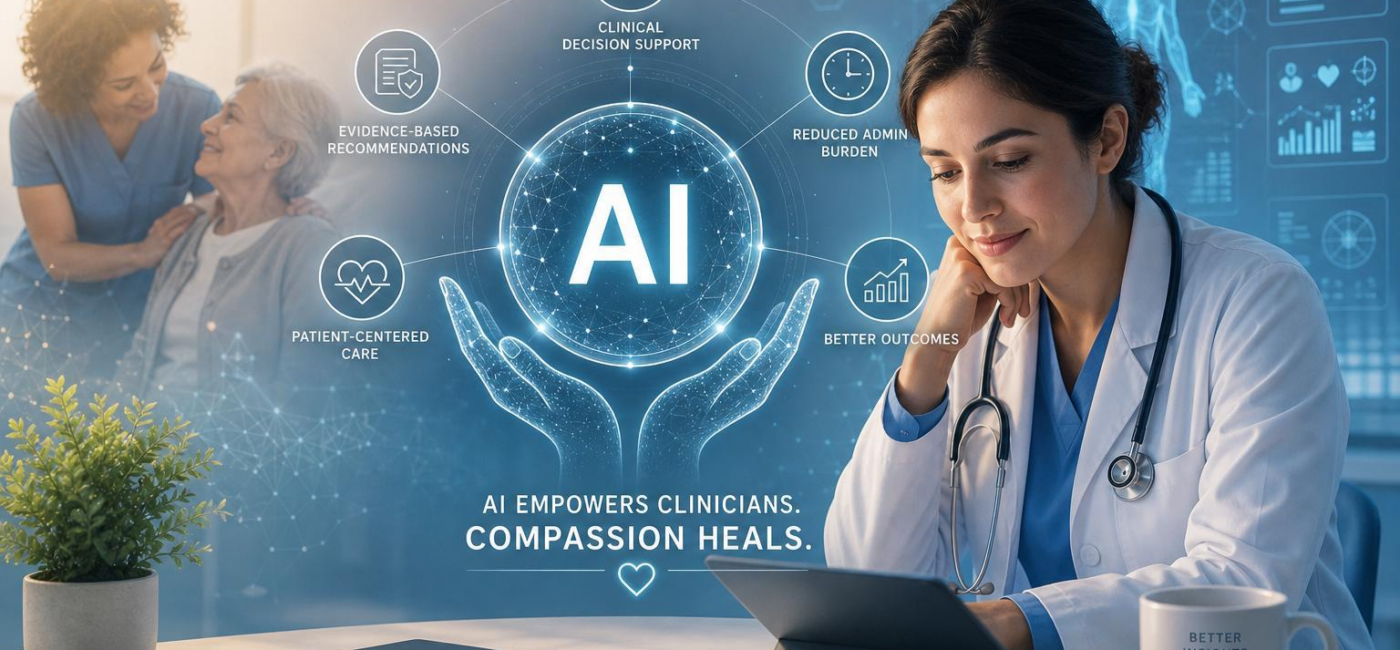
Artificial intelligence is rapidly transforming healthcare by significantly enhancing diagnostic precision. Through advanced algorithms and deep learning models, AI can analyze vast amounts of clinical data-from medical imaging to patient history and genetic facts-at speeds and accuracies unattainable by human clinicians alone. This results in earlier detection of diseases, improved identification of complex conditions, and a more personalized approach to patient care. AI-powered diagnostics not only reduce the chance of human error but also enable clinicians to focus on interpreting results with heightened confidence, ultimately leading to better patient outcomes.
Beyond diagnostics, AI serves as an indispensable partner in alleviating the overwhelming workload faced by healthcare professionals. Routine tasks such as data entry, report generation, and initial patient assessments can be automated efficiently, freeing clinicians to dedicate more time to critical decision-making and compassionate patient interaction. The following table highlights key areas where AI integration is streamlining clinician responsibilities:
| Area of Submission | AI Contribution | Clinician Benefit |
|---|---|---|
| Image Analysis | Automated detection of anomalies | Faster diagnosis with reduced oversight |
| Data Documentation | Voice-to-text transcription & organization | Less time on paperwork |
| Predictive Analytics | Risk stratification & outcome forecasting | Proactive patient management |
| Clinical Decision Support | Real-time recommendations from AI models | Enhanced treatment planning |
By integrating these intelligent tools into everyday clinical workflows, AI not only supports but amplifies the capabilities of healthcare providers, setting a new standard for efficiency and care quality in modern medicine.
Integrating AI-driven Decision Support Systems for Personalized Patient Care
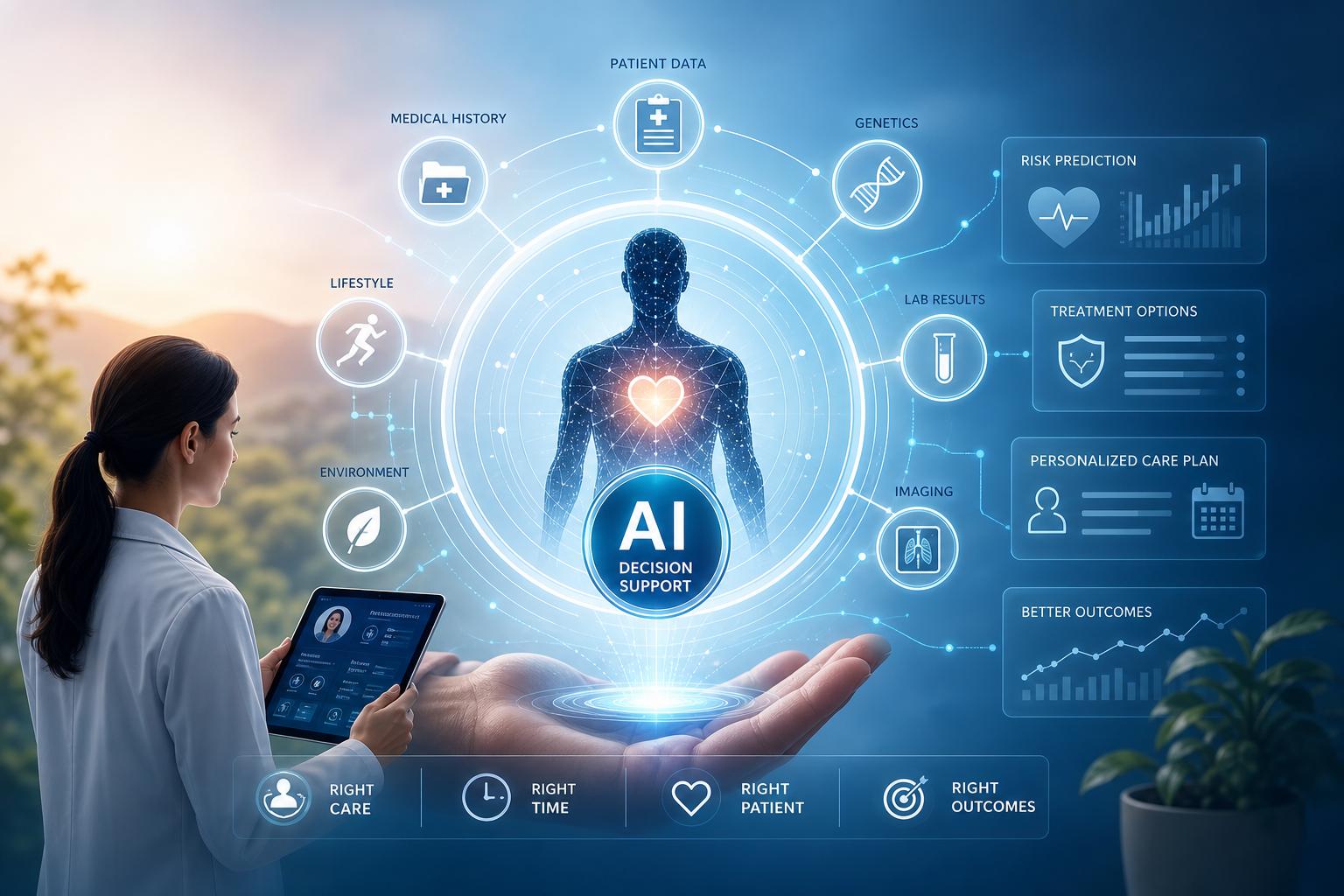
Advanced AI-driven decision support systems have revolutionized the way clinicians approach patient care by delivering real-time, data-backed insights tailored to individual needs. These systems meticulously analyze vast repositories of medical records, genetic information, and current research to recommend personalized treatment pathways. The precision brought by such tools significantly reduces diagnostic errors and enhances the accuracy of prognoses, ultimately empowering healthcare professionals to make well-informed decisions in complex cases. Embracing AI in clinical workflows promotes a balance between human expertise and machine intelligence, resulting in more nuanced and patient-centric care strategies.
Key advantages of integrating AI decision support include:
- Dynamic risk stratification based on patient-specific biomarkers and history
- Early detection of potential complications through predictive analytics
- Recommendations aligned with the latest clinical guidelines and personalized medicine principles
- Automated synthesis of multidisciplinary input improving collaborative care
| Feature | Clinician Benefit | Patient Impact |
|---|---|---|
| Real-time Analytics | Quicker, evidence-based decisions | Timely interventions, better outcomes |
| Personalized Treatment Plans | Reduced trial-and-error prescribing | Improved treatment effectiveness |
| Predictive Alerts | Proactive risk management | Lower complication rates |
Addressing Ethical Considerations and Ensuring Transparency in AI Applications
Ensuring ethical integrity in the deployment of AI within healthcare demands a rigorous commitment to transparency. clinicians and patients alike must have clear insight into how AI models derive their recommendations, enabling informed decisions that respect patient autonomy. Accountability frameworks need to be established to monitor AI behavior, ensuring that biases-whether stemming from skewed data or algorithmic design-are identified and mitigated promptly. Furthermore, open interaction channels between developers, healthcare providers, and regulatory bodies fortify trust, fostering a culture where AI functions as a collaborative partner rather than an opaque tool.
Equally crucial is the adoption of privacy-centered data practices that safeguard sensitive health information without compromising analytical rigor. Transparent policies on data usage, storage, and consent empower patients while aligning with evolving legal standards.The table below highlights key pillars supporting ethical AI integration in healthcare settings:
| pillar | Description |
|---|---|
| Transparency | Clear AI decision pathways and open reporting |
| accountability | Defined roles for oversight and error correction |
| privacy | Robust data protection and consent mechanisms |
| Bias Mitigation | Continuous evaluation to prevent discriminatory outcomes |
Implementing Training and Collaboration Frameworks for Seamless Clinician and AI Interaction
To unlock the full potential of AI in healthcare, it is essential to design training programs that equip clinicians with the skills to interact fluently with AI systems. These programs shoudl emphasize the interpretation of AI-generated insights, recognize AI’s limitations, and promote vigilance in decision-making processes. By fostering an environment where continuous learning and adjustment are prioritized, clinicians can move beyond mere tool users to become active collaborators with AI, ensuring that patient care evolves with both human empathy and computational precision. Key components of effective training include:
- Case-based learning to visualize real-world AI applications in clinical scenarios.
- Simulated decision-making environments that allow safe practice and feedback loops.
- Interdisciplinary workshops that bridge knowledge between data scientists and healthcare providers.
Collaboration frameworks that integrate AI seamlessly into clinical workflows encourage transparency, trust, and shared responsibility. Such frameworks must support real-time communication channels and feedback mechanisms that refine AI algorithms based on frontline clinical experience. Below is a summary of critical elements that facilitate clinician-AI synergy within healthcare institutions:
| Framework Element | Role | Impact on Care |
|---|---|---|
| Integrated Dashboards | present AI insights in intuitive formats | Enhances rapid understanding and decision accuracy |
| Feedback Loops | Allow clinicians to report AI anomalies or successes | Drives continual AI improvement and reliability |
| Shared Governance | Ensures both clinicians and data scientists co-manage AI use | Builds trust and accountability |