

Spotting AI Deepfakes Through Visual and Audio Cues
Detecting AI-generated deepfakes requires keen observation of subtle visual inconsistencies that often escape casual viewing. One common giveaway is unnatural eye movement or blinking patterns, which can appear erratic or mechanical. Pay close attention to the edges of the face, where deepfake technology may struggle to blend skin textures seamlessly. Shadows and reflections in the eyes or on the lips that don’t conform to the lighting environment are additional red flags. Moreover, facial expressions might appear slightly delayed or mismatched with the spoken content, disrupting the natural flow of human dialog.
Audio cues complement visual inspection in verifying authenticity. Deepfake audio often carries faint artifacts such as unnatural pitch modulation, robotic toneor irregular breathing sounds. Background noise inconsistencies-like a lack of ambient sound continuity-can indicate synthetic origin. Always cross-reference key visual and audio details with trusted sources to confirm accuracy for critical content.The table below summarizes common visual and audio discrepancies to guide your evaluation:
| Category | sign of Deepfake | Indicator Description |
|---|---|---|
| Visual | Eye Behavior | Inconsistent blinking or unnatural gaze direction |
| Visual | Edge Blending | Uneven skin textures or blurry facial outlines |
| Audio | Pitch Anomalies | Robotic or metallic voice tone |
| Audio | Breathing sounds | Absent or irregular inhaling/exhaling cues |
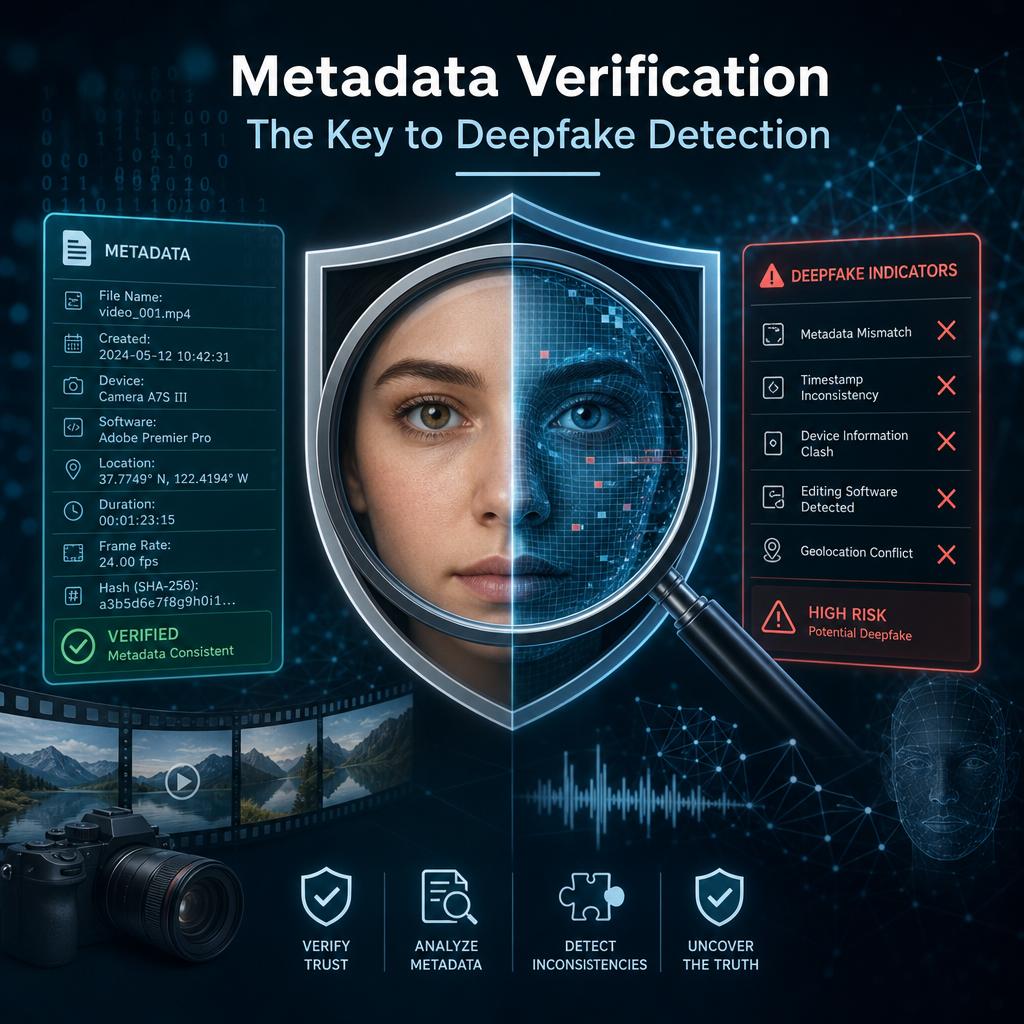
Understanding the Role of Metadata Verification in Deepfake detection
Metadata serves as the digital fingerprint accompanying multimedia files, containing crucial details such as creation time, device information, editing historyand geolocation data. In the fight against deepfakes, metadata verification acts as a powerful tool to expose manipulated content. By cross-referencing this data against trusted sources and known authentic records, discrepancies can surface that reveal inconsistencies in timingoriginor modification patterns-key red flags signaling artificial fabrication. This layered data inspection provides an additional defense beyond just visual or audio analysis, significantly strengthening the confidence in identifying genuine versus fraudulent media.
When verifying metadata, experts typically focus on several essential elements:
- Timestamp consistency: Confirming whether the media’s creation date aligns with reported or expected events.
- Device credibility: Checking if the recording device details match known equipment used by the source.
- Edit trail analysis: Detecting unusual patterns or gaps in edit histories that may imply tampering.
- Location verification: Ensuring geotags correspond with the claimed physical setting of the content.
| Metadata Aspect | Indicators of Manipulation |
|---|---|
| Timestamp | Discrepant or unfeasible event dates |
| Device Info | Unknown or mismatched hardware IDs |
| Edit History | Sudden breaks or missing segments |
| Geolocation | Conflicts with claimed surroundings |
Leveraging Reputable Fact-Checking Platforms for Source authentication
In an era where AI-generated deepfakes challenge the integrity of visual and audio content, turning to established fact-checking platforms has become indispensable. These platforms employ rigorous methodologies to analyze media for signs of manipulation, cross-referencing information with credible databases and expert insights.Utilizing their services not only aids in confirming the authenticity of suspicious content but also supports a broader ecosystem dedicated to preserving truthful information. Users can quickly upload or submit questionable videos and images to receive detailed assessments that help differentiate between genuine material and elegant fabrications.
To maximize reliability, consider the following features when engaging with reputable fact-checking websites:
- Transparency: Platforms should clearly outline their verification processes and sources.
- Collaborations: Partnerships with tech firms, universitiesand journalistic entities enhance credibility.
- Timeliness: Fast response times in assessing emerging deepfake threats are crucial.
- Accessibility: User-friendly interfaces allow both experts and novices to participate in verification efforts.
| Platform | Verification Method | Turnaround Time |
|---|---|---|
| TrueCheck | AI-Driven Forensic Analysis | Within Hours |
| FactScan | Cross-Referencing Multiple Databases | 1-2 Days |
| VerifyNow | Expert Panel Review | Same Day |
Implementing Best Practices for Cross-Referencing Media Accuracy
Cross-referencing media requires a disciplined approach to verify the authenticity of visual and audio content amid rising deepfake sophistication. Start by consulting multiple trusted news outlets, as reputable organizations adhere to strict verification policies before publishing. Additionally, leverage specialized fact-checking websites and platforms that analyze multimedia content for manipulation. When encountering a suspicious piece, compare it against official statements, recognized expert opinionsand archival records to detect inconsistencies. Employing browser extensions and AI-based detection tools can provide further technical validation to confirm if the media is genuine or artificially altered.
Moreover, cultivate a habit of scrutinizing metadata and publication timestamps, which frequently enough reveal clues about a file’s origin and editing history. Here is a handy overview to guide your cross-checking process:
| Verification Step | Purpose | Tools/Resources |
|---|---|---|
| Check Source Credibility | Identify reliable origin of media | Trusted news sites, official channels |
| Use Fact-Checking Platforms | Detect known fakes or misinformation | Snopes, FactCheck.org, Deepware Scanner |
| Analyze Metadata | Reveal creation date & location | Exif viewers, Media Info tools |
| Cross-Compare Multiple Versions | Spot inconsistencies or edits | Reverse image search, archive.org |