
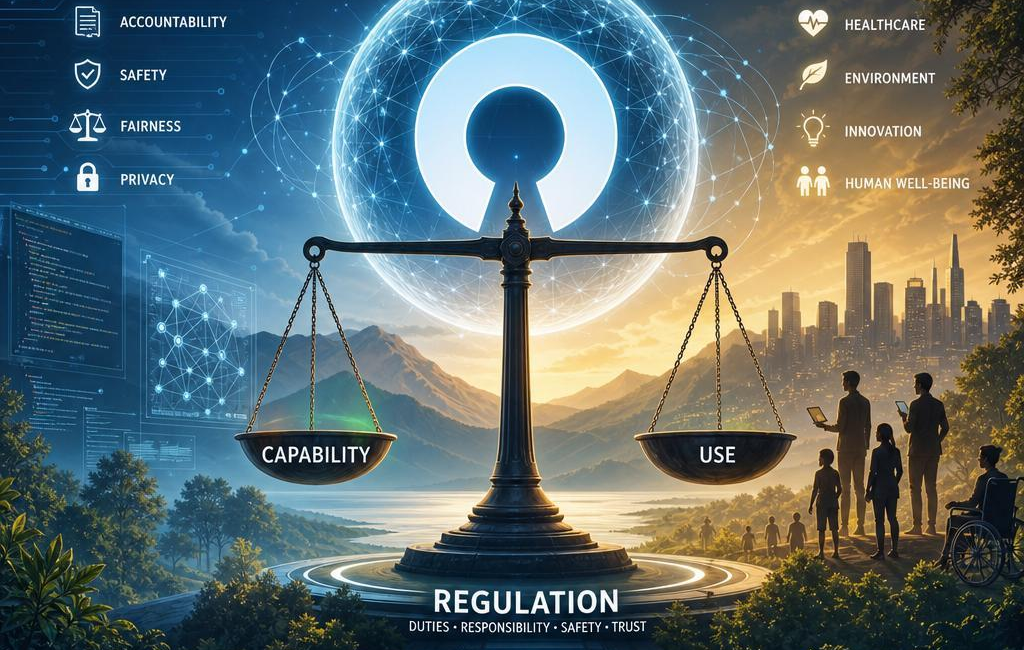
Challenges in Monitoring Open Source AI Development and Deployment
Tracking advancements and applications within the open source AI community presents unique obstacles that customary regulatory frameworks are ill-equipped to manage. The decentralized nature of open source projects allows AI models to evolve rapidly across various jurisdictions, frequently enough without a centralized authority to oversee compliance or ethical standards. Consequently, the fluidity and speed of innovation complicate efforts to monitor developments in real-time, leaving regulatory bodies struggling to keep pace. Moreover, the open dissemination of AI tools enables diverse actors-from hobbyists to enterprises-to deploy sophisticated technologies, which exponentially increases the difficulty of establishing effective oversight mechanisms.
- Ambiguity in accountability: Identifying responsible parties when AI systems cause harm becomes challenging due to multi-contributor models and forking of codebases.
- Technical complexity: Evaluating the risk profiles of open source AI necessitates specialized expertise that regulatory agencies may lack internally.
- Global distribution: The cross-border nature of open source projects dilutes jurisdictional control and complicates enforcement of local regulations.
| Challenge | Impact on Regulation |
|---|---|
| Decentralized development | Limits direct regulatory intervention and consensus-building |
| Rapid model iteration | outdates regulatory standards quickly |
| Wide accessibility | Magnifies potential misuse and risk exposure |

Ethical Responsibilities for Developers and Distributors of Open Source AI
Developers and distributors of open source AI hold a pivotal role in shaping the technology’s trajectory and societal impact. Their foremost ethical obligation is to ensure clarity in the algorithms and data sets they release. This includes clear documentation about limitations, biasesand potential misuse. By openly communicating these aspects, they foster informed use and collaboration while minimizing risks such as amplification of misinformation or violation of privacy. Accountability mechanisms must be embedded at the development stage, empowering users and the broader community to identify flaws or harmful consequences early.
Moreover, these stakeholders must champion responsible stewardship through continuous monitoring and updates of the AI tools. This duty extends beyond initial distribution – it involves actively mitigating emergent issues as use cases evolve. Core ethical practices include:
- Implementing safeguards to prevent malicious adaptation
- Engaging with diverse communities to understand impact across demographics
- Promoting accessibility balanced against preventing harmful proliferation
| Responsibility | Key Action |
|---|---|
| Transparency | Publish clear, comprehensive documentation |
| Monitoring | regularly update AI and respond to misuse |
| Community Engagement | Include diverse voices for ethical validation |
Ultimately, ethical stewardship reinforces trust and ensures open source AI evolves as a beneficial force, aligning innovation with shared human values.
Establishing Clear Regulatory Frameworks to Ensure Safe Usage
To effectively harness the potential of open source AI technologies while mitigating risks, it is indeed imperative to develop clear, comprehensive regulatory frameworks. Such frameworks must lay down explicit guidelines on acceptable use cases, data privacyand liability, fostering an ecosystem where innovation can thrive under governance rather than chaos. A foundational principle shoudl be the collaborative creation of standards, involving developers, policymakersand civil society to ensure that regulations remain adaptive and technically informed.
- Transparent accountability: Establishing clear lines of responsibility among creators and deployers of AI.
- Mandatory impact assessments: Requiring evaluations of AI tools before public deployment to identify possible harms.
- data protection rules: Enforcing strict controls over datasets used for training to prevent misuse and bias.
| Framework Feature | Key Benefit |
|---|---|
| Open Consultation | Inclusive policy development |
| Regular Audits | Continuous compliance assurance |
| Standardized Reporting | improved transparency and trust |
Regulatory clarity not only protects users but also drives confidence among investors and developers, paving the way for sustainable growth in the AI sector.Creating a predictable legal environment eliminates ambiguity that might otherwise discourage responsible innovation, enabling organizations to focus on advancing capabilities while adhering to ethical principles. Governments and international bodies must prioritize harmonization of rules to prevent fragmented regulations that complicate compliance across borders,ensuring that these frameworks are scalable,forward-looking,and enforceable.
Strategies for International Collaboration in Open Source AI Governance
International collaboration in open source AI governance mandates a shared framework that aligns diverse regulatory environments while preserving innovation. Establishing multilateral forums fosters dialog to harmonize standards, ensuring AI capabilities are developed and deployed responsibly across borders. Key components include:
- Data-sharing agreements that respect privacy and equity
- Cross-border ethical guidelines tailored to AI’s evolving risks
- Unified transparency measures for open source project accountability
This collective approach is bolstered by continuous monitoring and adaptive policy-making practices, allowing stakeholders to anticipate misuse and respond swiftly. Cooperation also entails capacity-building initiatives – equipping nations with the technical expertise and governance tools to engage effectively in the global AI ecosystem. Only through coordinated effort can the tension between AI’s expanding capabilities and the duties to regulate them be reconciled sustainably.
| aspect | Collaborative Strategy | Expected Outcome |
|---|---|---|
| Regulatory Alignment | joint international standards committees | Consistency in AI compliance |
| Transparency | Shared open repositories with audit trails | Increased trust and accountability |
| Capacity building | Global training programs | Enhanced governance capabilities worldwide |