
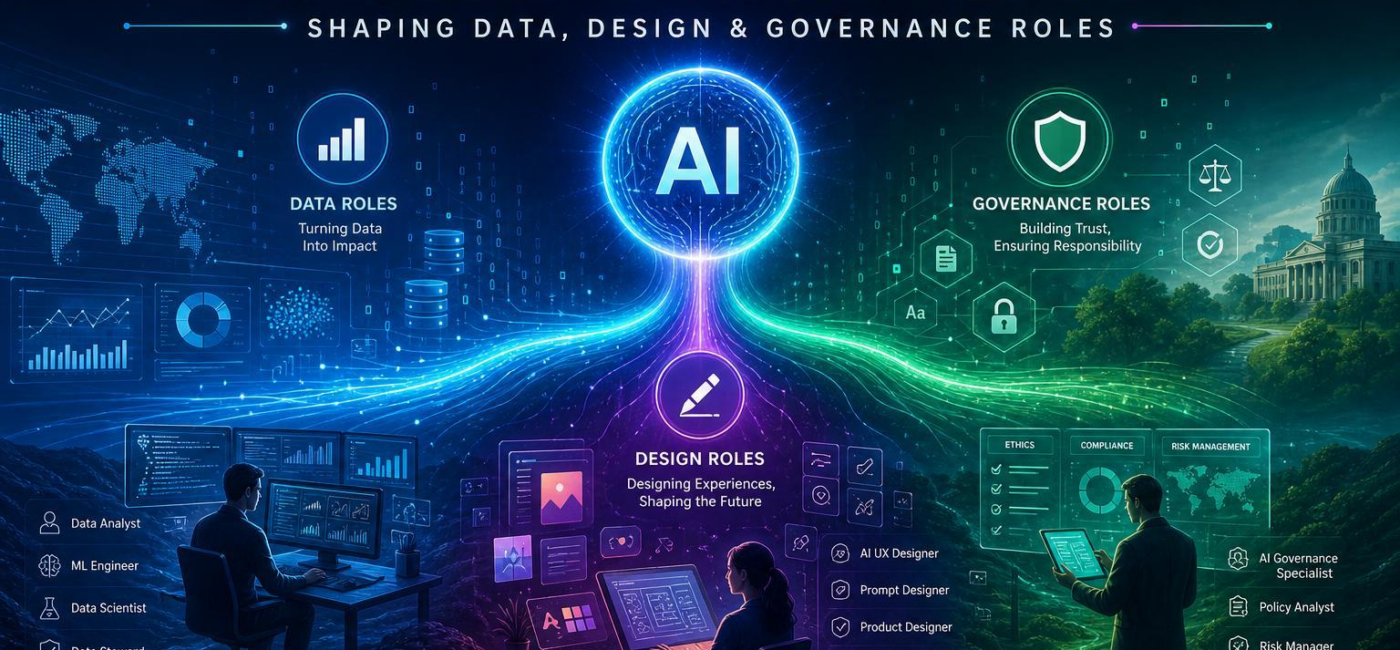
The Emergence of AI-Driven Roles in Data Management and Analysis
As organizations increasingly rely on vast datasets to drive decision-making, new AI-driven roles have emerged that blend customary data management expertise with advanced machine learning capabilities.These roles not only focus on the technical aspects of data handling but also prioritize the ethical and strategic application of AI to optimize outcomes. Professionals in this evolving landscape must be adept at:
- Designing smart data pipelines that automate cleansing, integration, and conversion tasks.
- Developing AI-powered analytics tools to uncover insights previously hidden in complex datasets.
- Ensuring data governance frameworks incorporate fairness, transparency, and compliance with evolving regulations.
to illustrate the paradigm shift, consider the following comparison of traditional versus AI-driven tasks within data-centric roles:
| Traditional Data Role Tasks | AI-Driven Role Tasks |
|---|---|
| Manual data cleaning and validation | Automated anomaly detection and correction |
| Basic descriptive analytics | Predictive modeling and prescriptive insights |
| Static policy enforcement | Dynamic governance adapting in real-time |
These transformations demand a new breed of professionals who not only understand data but also harness AI to redefine how data ecosystems function – bridging the gap between raw information and actionable intelligence.
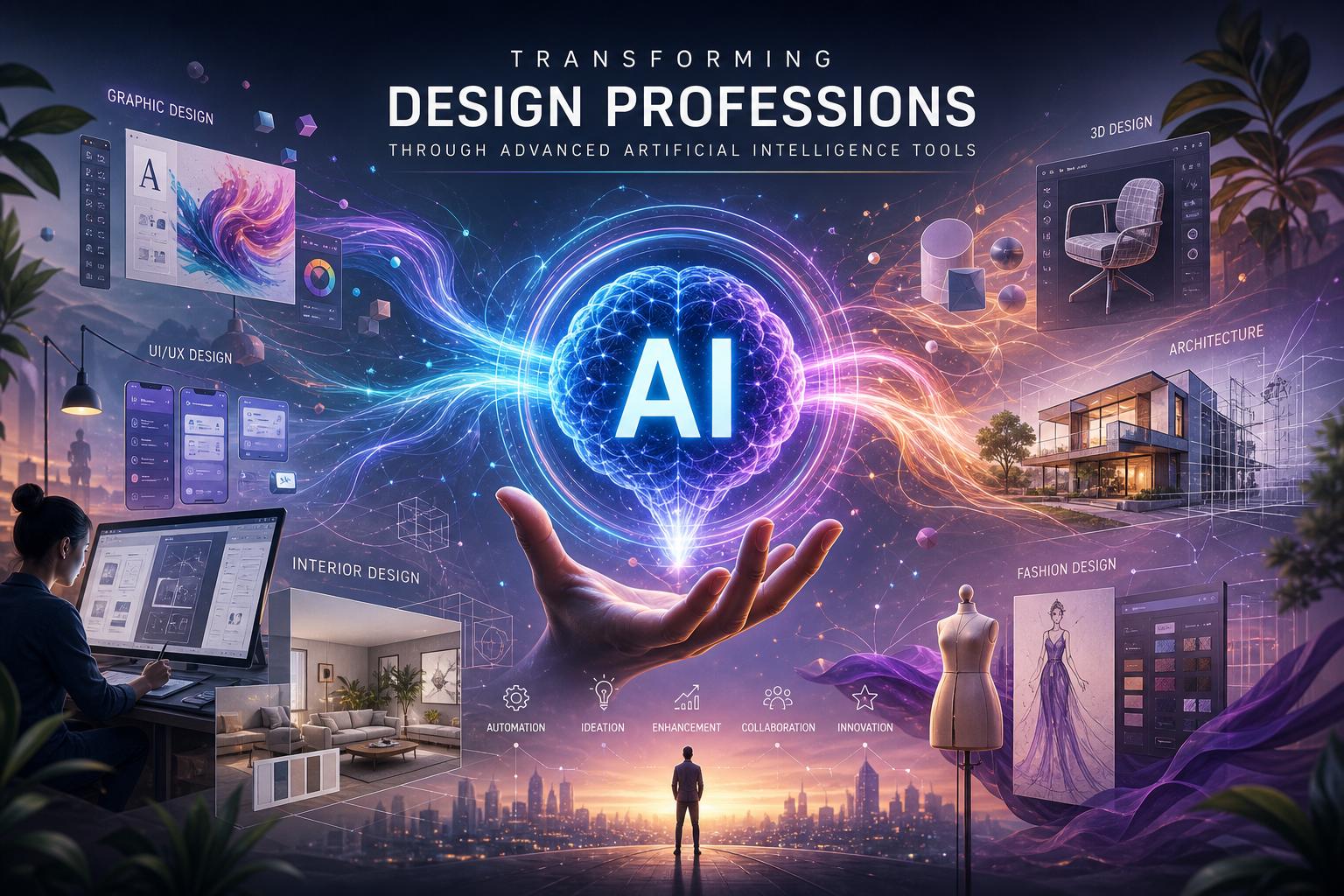
transforming Design Professions Through Advanced Artificial Intelligence Tools
Emerging AI-powered platforms are not only automating routine design tasks but also enabling professionals to reimagine workflows and decision-making frameworks. Designers are increasingly collaborating with intelligent systems that analyze vast datasets to generate innovative visual concepts and optimize user experiences. This shift has given rise to specialized roles such as AI Interaction Designers and Data-Driven Design strategists, who bridge the gap between human creativity and machine intelligence, ensuring that algorithms align with aesthetic and functional goals.
- Design Data Analysts synthesize behavioral and market data to inform design iterations.
- Algorithmic Ethics Managers oversee responsible AI use within design processes.
- Generative AI Specialists craft and refine AI models tailored for creative application.
| Role | Core Duty | key Skill |
|---|---|---|
| AI Interaction designer | Designs user-centric AI interfaces | Human-AI collaboration |
| Design Data Analyst | Interprets data to guide creative direction | Data visualization |
| Algorithmic Ethics Manager | Ensures ethical AI deployment | Policy compliance |
Governance roles have evolved to accommodate the complexities introduced by AI-driven design, focusing on transparency, accountability, and compliance. With AI increasingly embedded in the creative pipeline, professionals now navigate regulatory landscapes as well as societal implications. This dynamic ecosystem demands a hybrid skill set composed of technology acumen, design sensibility, and ethical foresight, fostering careers that are as interdisciplinary as they are transformative.
Enhancing Governance Frameworks with AI-Powered Decision-Making Systems
In the evolving landscape of organizational governance, the integration of AI-powered decision-making systems is transforming traditional frameworks into dynamic, data-driven environments. These intelligent systems facilitate real-time analysis of vast datasets, allowing governance models to anticipate risks, optimize compliance efforts, and tailor policy implementations with unparalleled precision. By automating routine decisions and elevating complex judgment calls, AI enhances transparency and accountability structures, ensuring stakeholders are better informed and aligned. This shift not only speeds up decision cycles but also injects consistency, reducing human biases that often cloud governance processes.
Key roles within governance structures are being redefined to exploit these advancements. Professionals are tasked with managing the confluence of technology and strategy, requiring a refined understanding of both automated analytics and regulatory landscapes. Below is a snapshot of emerging responsibilities reshaping governance domains:
- Data Ethics Officers: Ensuring AI decisions comply with ethical standards and legal frameworks.
- AI Governance Analysts: Monitoring system performance and integrating AI insights into governance policies.
- Compliance Data Strategists: Designing data architectures that support adaptive compliance mechanisms.
| Governance Role | AI-Driven Responsibility | Core Skillset |
|---|---|---|
| Data Ethics Officer | Audit AI Decisions | Ethics, Law, AI bias |
| AI Governance Analyst | Policy Integration | Data Analytics, risk Management |
| Compliance Data Strategist | Adaptive Compliance | Data Architecture, Regulation |
Strategic Recommendations for Adapting to AI-Influenced Job Markets in Data, Design, and Governance
To thrive in rapidly evolving AI-driven job markets within data, design, and governance, professionals must embrace a multifaceted skillset that bridges technical expertise with strategic foresight. Continuous learning and upskilling are no longer optional but essential; this includes mastering AI literacy, understanding data ethics, and developing creative problem-solving capabilities that complement automation. Organizations should prioritize creating adaptable roles that encourage human-AI collaboration, ensuring employees can harness AI’s power without becoming obsolete. Strategic agility will also require fostering interdisciplinary teams that can integrate insights from data science, user-centered design, and regulatory frameworks to fuel innovation and compliance simultaneously.
In practice,several actionable strategies can help individuals and institutions future-proof their relevance in these AI-augmented industries:
- Invest in ethical governance frameworks that anticipate AI biases and embed transparency within decision-making processes.
- Focus on hybrid roles combining data analytics and creative design to build AI-powered solutions with a human touch.
- Leverage scenario planning to predict and prepare for shifts in market demands and regulatory landscapes.
- Encourage cross-sector collaboration to blend best practices from tech development, policy-making, and user experience disciplines.
| Key Competency | AI Impact | Recommended Adaptation |
|---|---|---|
| Data Literacy | Increased demand for precise interpretation of AI outputs | Advanced training in AI data models and anomaly detection |
| Design Thinking | Shift towards AI-driven user experience customization | Integrate AI tools for rapid prototyping and personalization |
| Governance & Compliance | Heightened regulatory scrutiny on AI applications | Develop compliance protocols for ethical AI deployment |