
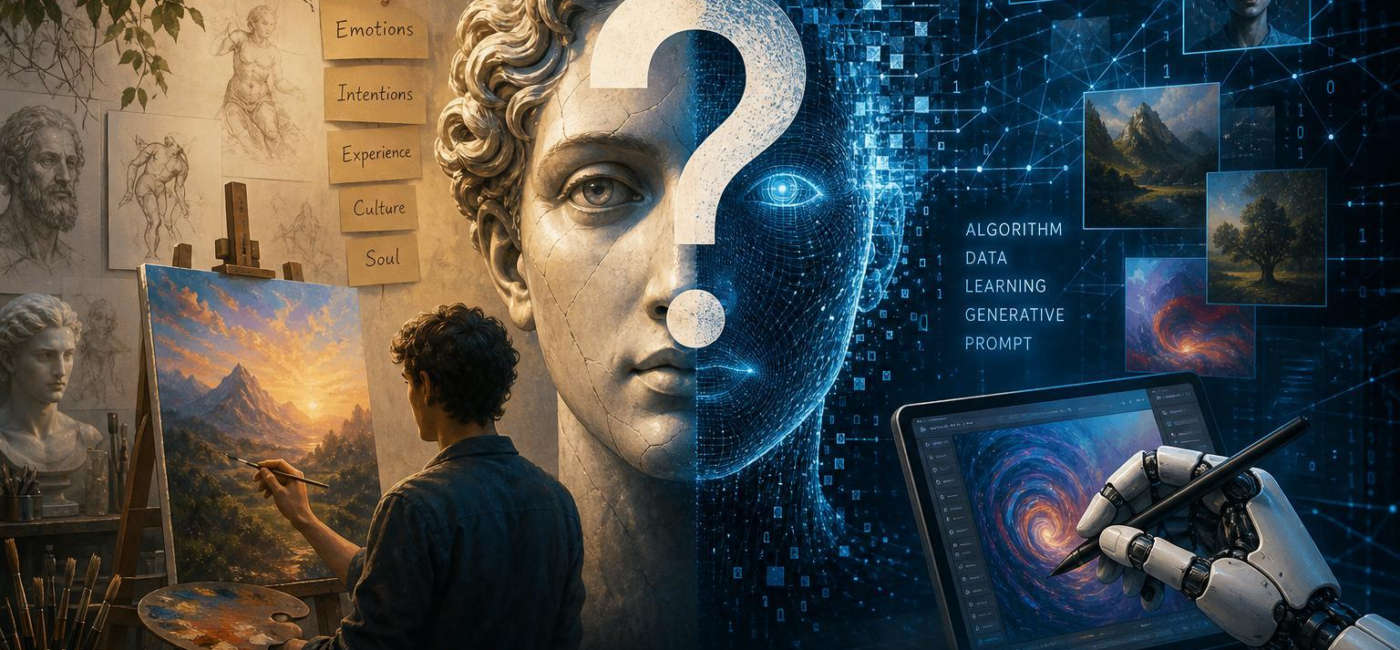
The Evolution of Creativity and the Definition of Art in the Age of AI
In this rapidly advancing era of technology,the concept of creativity confronts unprecedented challenges and opportunities.The infusion of artificial intelligence into the artistic process provokes a essential question: can a creation borne from algorithms and data truly embody the essence of art? Traditionally, art was viewed as a direct expression of human experience, emotion, and imagination. yet, AI-generated works prompt us to reevaluate the boundaries of creativity, suggesting that art might not be confined solely to human origin but coudl also encompass collaborative or even autonomous machine processes. This evolution compels us to acknowledge that creativity may transcend biological limits, merging human intention with computational capability.
Critically, the role of the human shifts from sole creator to curator, programmer, or collaborator. Consider this
| Aspect | Human Role | AI Role |
|---|---|---|
| Idea Generation | Inspiration and conceptual vision | Pattern recognition and data synthesis |
| Execution | Programming and selection of output | Automated creation and variation |
| Interpretation | Contextualization and emotional connection | neutral algorithmic processing |
In this framework, the debate intensifies around the authenticity and intentionality of AI-produced art.While some critics argue that without consciousness and lived experience, AI cannot genuinely create art, others embrace the notion that the synthesis of human and artificial intelligence expands the definition itself.Ultimately, the discourse challenges us to refine our understanding of what art is-and who or what may become artist in the future.
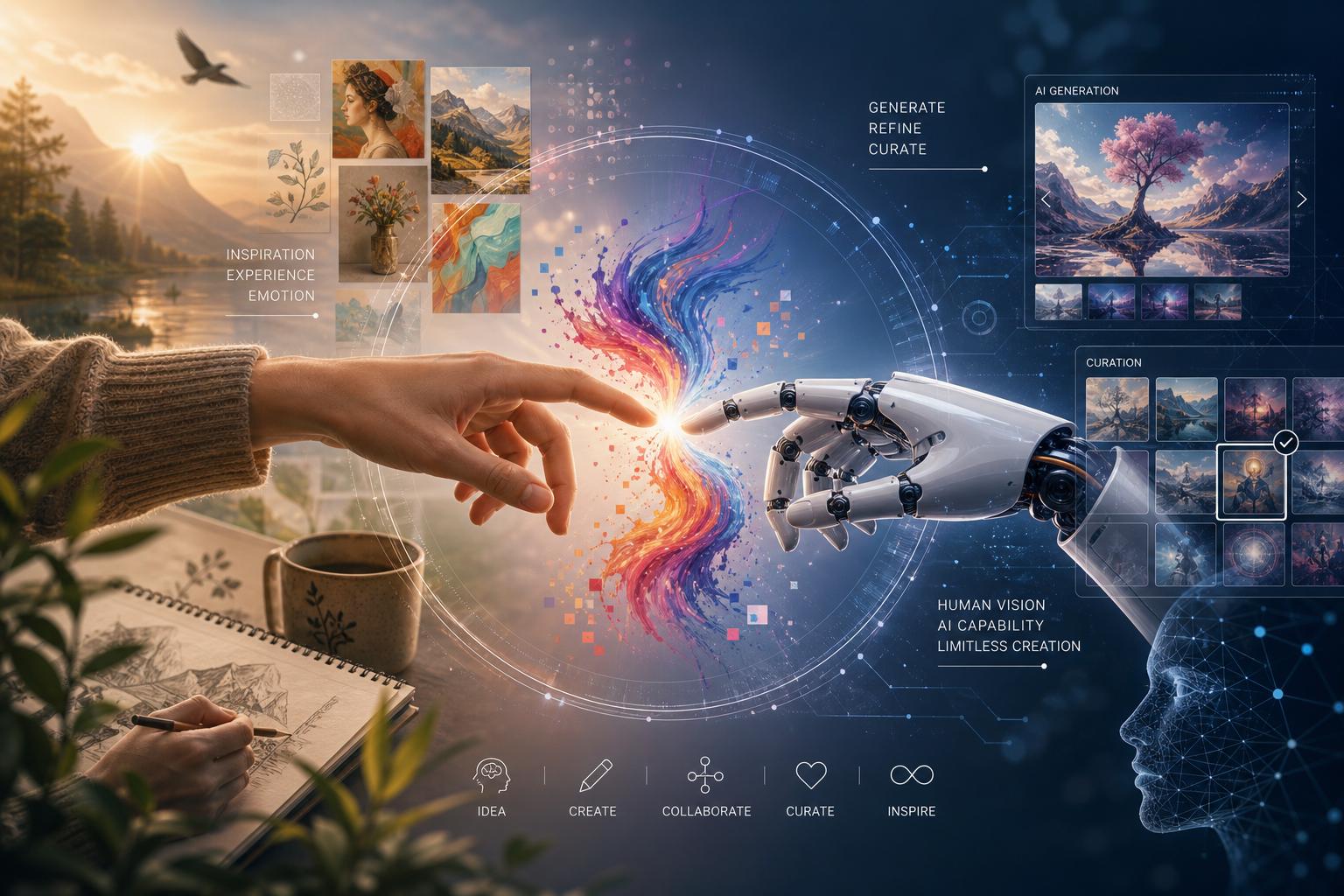
Examining the Human Element in AI Art Creation and Curation
at the core of AI-generated art lies a complex interplay between algorithmic processes and human creativity. while artificial intelligence can produce visually striking images by analyzing vast datasets, the role of the human artist remains pivotal in defining the conceptual framework, selecting inputs, and refining outputs. Human curators and creators embed intent, emotion, and cultural context into the AI’s work, thereby transforming raw data-generated visuals into meaningful artistic expressions. This synthesis of machine precision and human sensibility challenges customary notions of creativity, raising questions about authorship and the authenticity of AI art.
Key human roles involved in AI art creation include:
- Choosing and curating datasets that inform the AI’s style and themes
- Programming and tuning algorithms to guide the generation process
- Interpreting AI outputs and selecting pieces that align with artistic vision
- Contextualizing the final art within cultural, social, or political narratives
| Human Element | AI Contribution | Impact on Art |
|---|---|---|
| Conceptualization | Image synthesis and style merging | Creates innovative visual forms with intentional meaning |
| Curation | Generation of varied artistic outputs | Ensures quality, relevance, and emotional resonance |
Ethical Implications and Intellectual Property challenges in AI-Generated Art
As AI-generated art becomes increasingly prevalent, questions about ethical accountability and intellectual property rights grow more urgent. Unlike traditional art where the creator’s hand and intent are clear, AI-generated works frequently enough emerge from complex algorithms trained on vast datasets that include existing artworks. This raises concerns about authorship and originality: who truly owns a piece created by a machine? Moreover, issues of consent arise when AI models are trained on copyrighted materials without explicit permission, possibly infringing upon the rights of original artists. The opacity of AI decision-making processes can also blur lines of duty, complicating matters when art created by AI is used commercially or provocatively.
To better contextualize these challenges, consider the following table outlining key ethical and legal dilemmas in AI-generated art:
| Challenge | Implication | Potential Solution |
|---|---|---|
| Authorship | Unclear ownership rights | Clear legal frameworks defining AI’s role |
| Copyright Infringement | Use of protected works without permission | Transparency in training datasets |
| Ethical Accountability | responsibility for offensive or plagiarized content | Human oversight and ethical guidelines |
- transparency: Artists and developers must openly disclose AI processes.
- Attribution: Establishing credit-sharing between AI creators and human collaborators.
- Regulation: Developing policies that balance innovation with rights protection.
Guidelines for Integrating AI Art into Traditional Artistic practices and Education
Integrating AI-generated works into traditional art environments requires a careful balance of pedagogy and practice that respects both the technological innovation and the human craftsmanship at the heart of artistic creation. Educators and artists are encouraged to establish frameworks that emphasize the complementary rather than competitive nature of AI tools. this includes fostering critical thinking around algorithmic biases and encouraging deep dives into how machine learning can expand, not replace, the artist’s vision. Practical guidelines involve:
- Contextualization: Teaching students to understand the origins of AI-generated outputs, including data sources and algorithmic limitations.
- Collaboration: Promoting partnerships that blur the lines between human input and machine output, enhancing creativity through dialog.
- Ethical Awareness: Instilling respect for intellectual property,transparency about AI’s role,and the societal implications of automating creativity.
The integration process can also be mapped through a clear, adaptable framework that measures the educational impact and artistic merit of AI art within traditional practices. Below is an illustrative model highlighting key phases and considerations:
| Phase | Focus | Outcome |
|---|---|---|
| Exploration | Understanding AI capabilities and limitations in art generation | Awareness and open-mindedness towards new tools |
| Experimentation | Hands-on projects combining AI and traditional techniques | Enhanced skills and hybrid art forms |
| Reflection | Critical analysis of AI’s impact on authorship and creativity | Informed perspectives on ethical and aesthetic values |
| Integration | Incorporating AI as a collaborative partner in artistic workflows | Balanced creative ecosystems embracing human-machine synergy |