
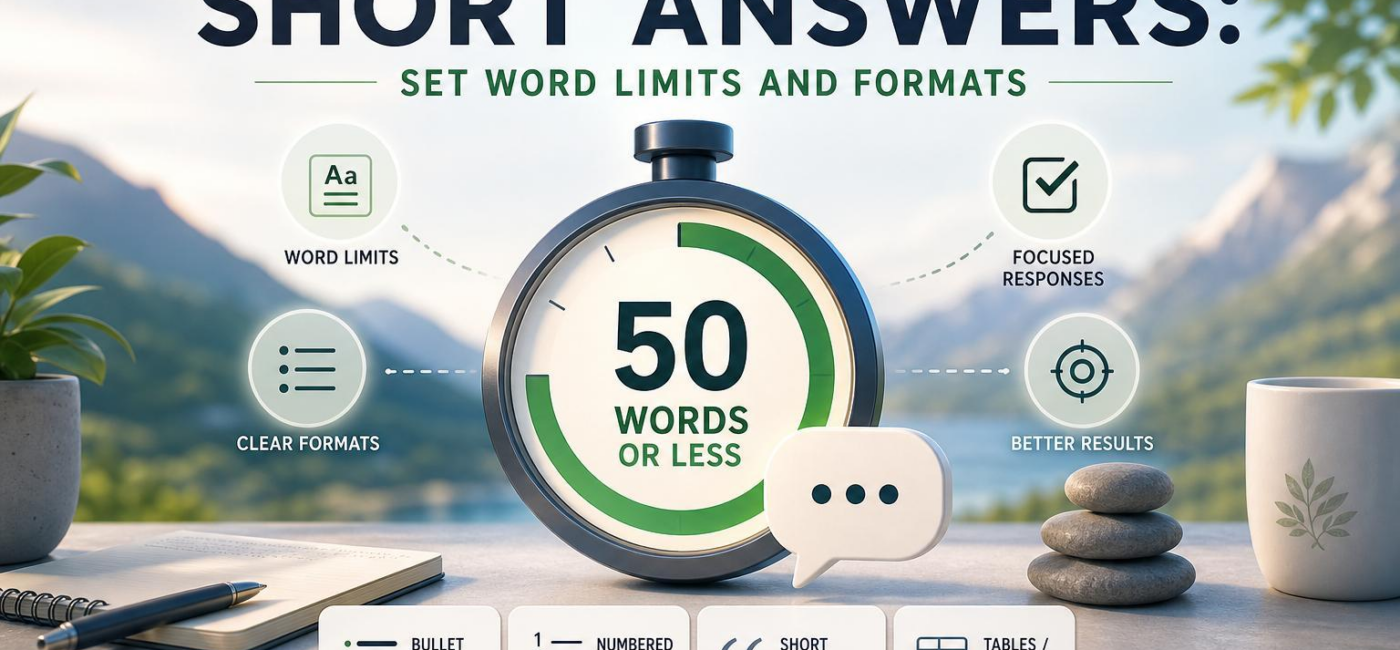
Effective Strategies for establishing Clear Word Limits in Communication
When aiming to elicit concise responses, setting explicit word limits is key. It encourages the respondent to focus on essential information, avoiding needless elaboration that can dilute the message. By clearly defining these parameters, communicators build a framework that promotes clarity and precision. this approach not only respects the reader’s time but also streamlines conversations,making them more productive and easier to digest.
To implement this effectively, consider the following best practices:
- Be Clear and Specific: State the maximum word count explicitly, such as, ”Please respond in under 50 words.”
- Use Visual Cues: Incorporate counters or progress bars in digital communication to help users monitor their word usage.
- Combine Word Limits with Formats: Pair word counts with structured formats, such as bullet points or numbered lists, to further guide concise expression.
- Encourage Prioritization: Prompt responders to highlight the most significant points first to maximize impact within constraints.
| Strategy | Purpose | Example |
|---|---|---|
| Explicit Word Limit | Sets maximum length clearly | “Answer in 30 words or less” |
| Format Guidance | Structures response style | “Use 3 bullet points” |
| visual Counters | Real-time word monitoring | Progress bar in text box |
| Prioritization Prompt | Focus on key info | “Highlight main idea first” |
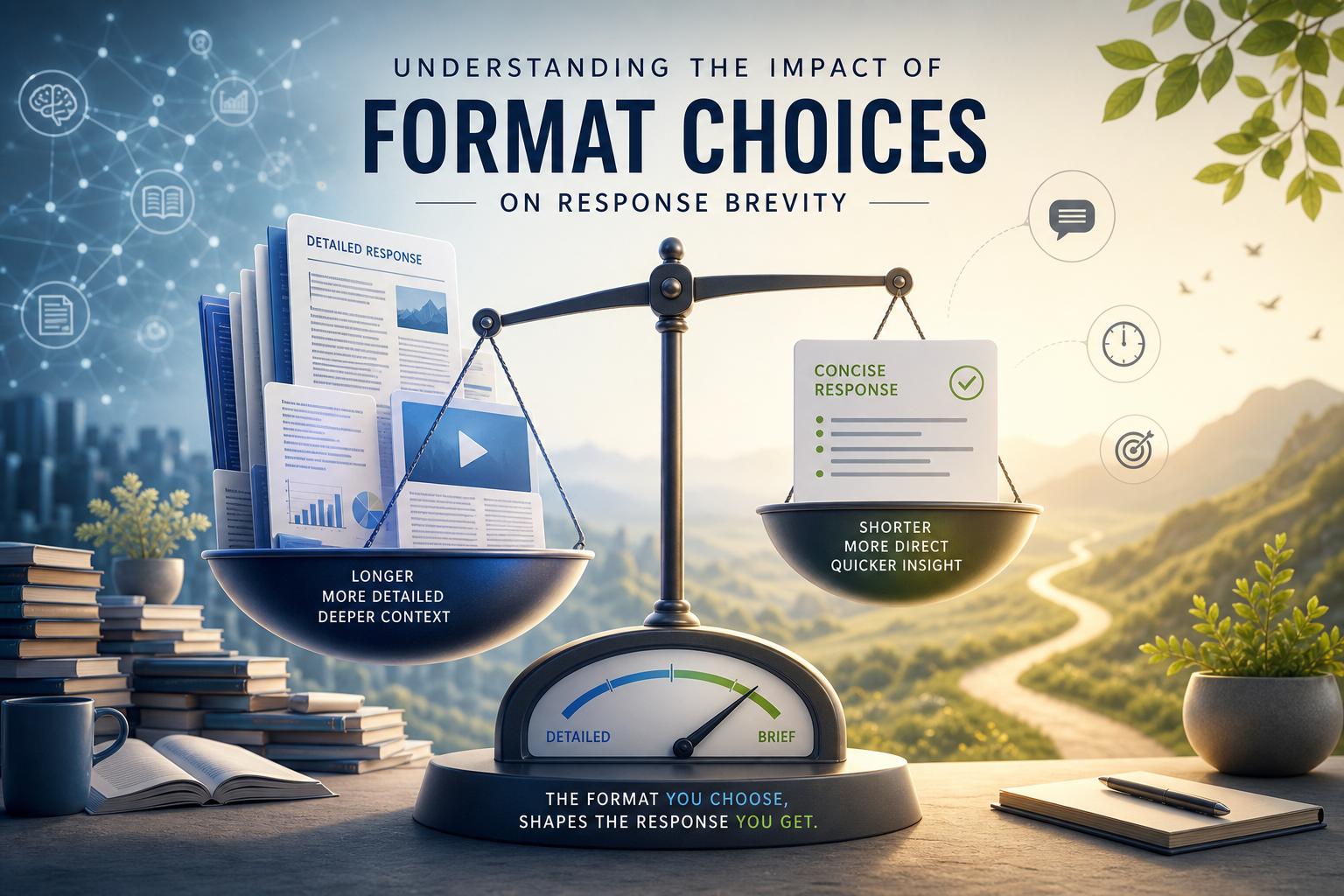
Understanding the Impact of Format choices on Response Brevity
Choosing the appropriate format directly influences how concise the response will be.For example, providing a clear word limit encourages brevity and focus, compelling the responder to prioritize their points efficiently. Formats such as bullet points or numbered lists naturally promote short, digestible chunks of information, making it easier for both the writer and the reader to stay on track without unnecessary elaboration. Conversely, open-ended formats often invite expansive answers, potentially diluting the core message.
Below is a comparison of common response formats and their impact on brevity, illustrating how structural choices can streamline communication:
| Format Type | Typical Response Length | Brevity Impact |
|---|---|---|
| Word Limit Set | 10-50 words | high - Precise, focused answers |
| Bullet Points | 3-5 points | Moderate to High – Clear and brief |
| Open-ended Paragraph | 50+ words | Low - May include digressions |
By intentionally selecting formats that encourage succinctness-such as explicit word caps or structured lists-you can effectively control the length and clarity of responses. this strategy is invaluable in professional settings where time and attention are limited, ensuring communication remains sharp and impactful.
Implementing Structured Guidelines to Encourage Concise Answers
Establishing clear and structured guidelines is essential when aiming to elicit concise responses. Setting explicit word limits compels the respondent to prioritize information, methodically choosing only the most relevant details. This fosters clarity and eliminates unnecessary verbosity. Additionally, specifying concise answer formats-such as bullet points or numbered lists-further encourages brevity while enhancing readability. These formats create natural stopping points that discourage long-winded explanations and keep the focus sharp.
The strategic use of formatting also streamlines the evaluation and comparison of answers. For example, consider the implementation of a simple table to organize key points effectively. Tables enable fast visual scanning and highlight critical information without the distraction of dense paragraphs. Below is a recommended approach to structure responses that adhere to word and format constraints:
| Element | guideline | Purpose |
|---|---|---|
| word Limit | 50-100 words | Encourages precision and focus |
| Answer Format | Bullets or numbered lists | Improves readability and efficiency |
| Use of Keywords | Mandatory inclusion of 3-5 key terms | Ensures essential concepts are covered |
Best Practices for Enforcing word limits Without Compromising Clarity
Precision and clarity are crucial when setting word limits. To avoid sacrificing the essence of a message, focus on defining the purpose of the response. Encourage users to prioritize key points by providing examples of ideal answers within the permitted word count. This approach helps maintain the richness of information while adhering to strict limits. Additionally, breaking down instructions into clear, actionable steps prevents ambiguity and minimizes rambling, making it easier to stay concise yet meaningful.
Employing structured formats alongside word limits enhances clarity without reducing informativeness. Consider using bullet points, numbered lists, or short paragraphs to organize content logically and visually. The following table summarizes effective techniques:
| Technique | Benefit |
|---|---|
| Specify word count range | Limits verbosity while allowing adaptability |
| Use bullet lists for key points | Improves readability and focus |
| Provide clear examples | demonstrates expected brevity and content |
| Encourage revising and editing | Refines messaging and eliminates filler |