

The Role of contractual Clauses in Defining Acceptable AI Applications
Crafting precise contractual clauses serves as a foundational mechanism to delineate the boundaries within which AI technologies may operate in professional environments. These clauses act as safeguards, ensuring that AI-driven processes align strictly with organizational policies and regulatory mandates. By explicitly defining acceptable AI applications, contracts can prevent unauthorized data manipulation, mitigate risks associated with biased algorithmsand uphold privacy standards. This clarity fosters accountability and clarity, which are essential in maintaining trust between stakeholders and mitigating potential legal exposure.
Key contractual elements often include:
- Prohibited AI functions related to sensitive data processing
- Obligations concerning algorithmic auditing and reporting
- restrictions on AI decision-making autonomy in critical workflows
- Requirements for compliance with emerging AI-specific regulations
| Clause Type | Purpose |
|---|---|
| Data Access Limits | Restrict AI interaction with confidential details |
| Audit Rights | Authorize periodic evaluation of AI systems |
| Usage Boundaries | Define specific permitted AI functions |
Ensuring Data Privacy and Security Through Binding Agreements
Contracts serve as pivotal instruments in fortifying data privacy and security when integrating artificial intelligence in workplace operations. By embedding explicit clauses, organizations can mandate rigorous safeguards around data access, sharingand processing. These agreements typically encompass:
- Definitions of permissible AI applications and data usage boundaries.
- Obligations for data encryption and secure storage protocols.
- Restrictions on third-party AI service providers and subcontractors.
- Clear breach notification procedures and remedies for violations.
Such measures not only ensure compliance with regulatory frameworks but also build trust among employees and clients who rely on the integrity of data handling practices. Binding agreements create a legal framework that holds all parties accountable, thereby minimizing risks associated with unauthorized AI exploitation or inadvertent data leaks.
| Contract Element | purpose | Impact on AI Use |
|---|---|---|
| Data Access Controls | Limit who can view and manipulate sensitive data | Prevents unauthorized AI algorithms from processing restricted information |
| Usage Restrictions | Define allowed AI functions and prohibited activities | ensures AI systems are used only for intended business tasks |
| Audit Rights | Allow periodic review of AI system compliance | Enables identification and correction of misuse or vulnerabilities |
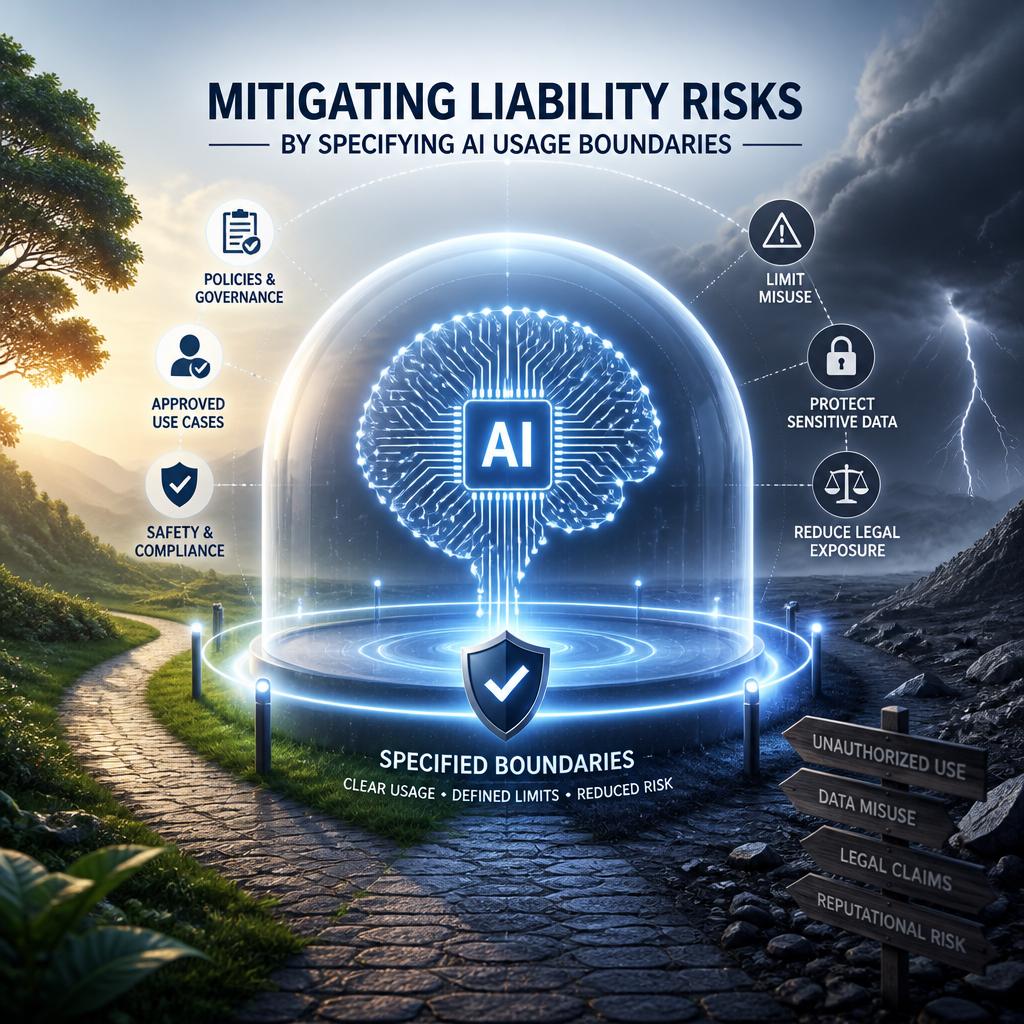
Mitigating Liability Risks by Specifying AI Usage Boundaries
clearly delineating the permissible scope of AI applications within contractual agreements is essential to shield organizations from unforeseen liability. By establishing specific boundaries on how AI tools can be deployed-including restrictions on decision-making autonomy, data accessand output usage-businesses can proactively manage risks.Such measures ensure that all parties involved understand the limitations of AI systems, preventing misuse and reducing the potential for accountability gaps when AI-generated errors or biases emerge.
- Define acceptable AI functions: specify tasks AI may perform, excluding activities requiring human judgment or critical compliance decisions.
- Restrict sensitive data handling: limit AI processing to anonymized or non-confidential datasets to safeguard privacy and comply with regulations.
- Mandate human oversight: require human review and authorization of AI outputs before implementation in workflows or client deliverables.
| Contract Clause | Purpose | Risk Mitigated |
|---|---|---|
| AI Usage Limitations | Define where and how AI can be used | Unauthorized AI application |
| Data Access Controls | Restrict data types AI can process | Data breaches, privacy violations |
| Human Oversight Requirement | Ensure human validation of AI outputs | Errors from AI decisions |
Drafting Clear Guidelines for Ethical AI Integration in Workflows
Establishing precise contractual parameters around AI deployment within organizational workflows is vital for safeguarding sensitive data and ensuring responsible innovation. These contracts serve as binding frameworks that explicitly delineate permissible AI applications, restricting unauthorized data processing or algorithmic decision-making that could jeopardize privacy or compliance with legal standards. Key elements to stipulate include:
- Data Access Controls: Specification of what data AI can access,process,and store to prevent overreach.
- AI Usage boundaries: Clear definitions limiting how AI models may influence operational decisions or automate tasks.
- Audit and Accountability Clauses: Mandating regular AI system audits and specifying responsible parties for oversight.
In addition, contracts frequently enough embed provisions that ensure ongoing compliance with evolving ethical standards and regulatory updates.This dynamic approach encourages organizations to periodically revisit their AI policies in response to technological and legal developments, thereby mitigating risks associated with unintended biases or data breaches. The table below outlines a simple contractual structure to guide ethical AI integration:
| Contract Component | Purpose | Example Clause |
|---|---|---|
| Data Handling Policies | Protects sensitive information | AI shall not access non-consented personal data. |
| Usage Restrictions | Limits AI task scope | AI will not make final hiring decisions without human review. |
| Audit Requirements | Ensures transparency | Biannual reports on AI system performance and ethics. |