
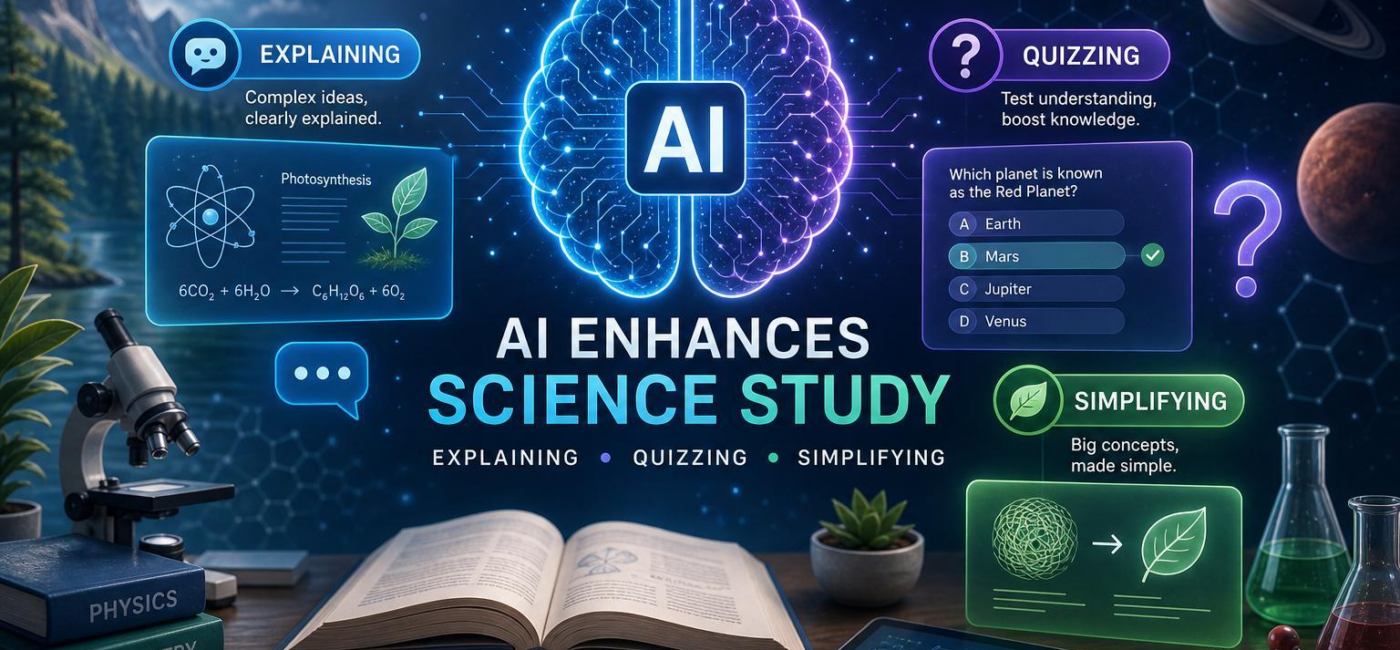
How AI Transforms the Explanation of complex Scientific Concepts
Artificial Intelligence radically transforms the way complex scientific ideas are conveyed by leveraging advanced algorithms that tailor explanations to individual learning styles.Rather than relying on static textbooks, AI-powered platforms dynamically adjust content complexity, highlight crucial points, and include interactive elements such as diagrams and simulations. This approach makes dense material accessible, helping learners grasp abstract notions-like quantum mechanics or cellular biology-through personalized, step-by-step breakdowns. Furthermore, AI can detect common misconceptions and immediately clarify them, ensuring no gaps hinder comprehension.
The impact extends beyond explanation to active learning, where AI-driven tools generate customized quizzes that reinforce key concepts and track progress in real time. Key benefits include:
- Adaptive questioning that focuses on areas needing improvement
- Instant feedback to correct errors and deepen understanding
- Contextual hints that encourage critical thinking instead of rote memorization
This synergy between explanation and assessment empowers students and researchers alike to build robust knowledge foundations more efficiently and with greater confidence.
| AI Feature | Educational Role | Result |
|---|---|---|
| Natural Language Processing | Transforms jargon-heavy text into clear, digestible language | Enhanced comprehension for diverse learners |
| Interactive Simulations | Visualizes scientific processes in real-time | Improved conceptual retention and engagement |
| Smart Quizzing | Adapts difficulty based on learner responses | Targeted reinforcement and knowledge retention |
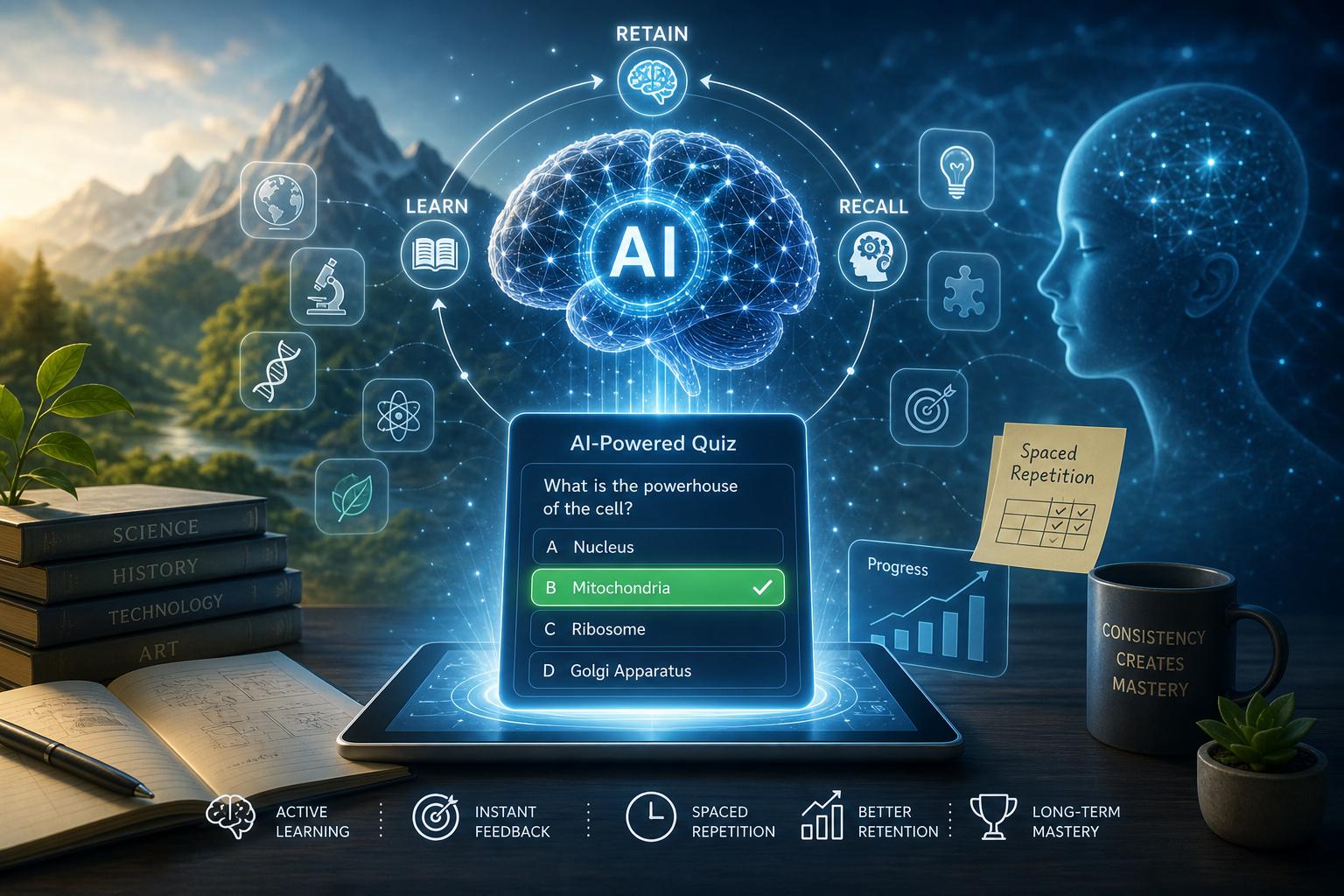
Leveraging AI-Powered Quizzing for Efficient Knowledge Retention
Integrating AI-driven quizzes into study routines revolutionizes the way students engage with complex scientific concepts. This technology adapts dynamically to a learner’s progress, tailoring question difficulty in real-time to target knowledge gaps efficiently. By continuously assessing understanding, AI quizzes foster active recall, a proven method to significantly boost long-term retention. Additionally, learners benefit from immediate, personalized feedback that clarifies mistakes and reinforces correct answers, cultivating deeper comprehension within shorter study sessions.
Key advantages of AI-powered quizzing include:
- Adaptive learning paths: Customizes content to each student’s pace and proficiency.
- Engagement and motivation: Keeps learners invested through gamified challenges and rewards.
- Data-driven insights: Enables educators to identify trends and tailor instruction effectively.
- Efficiency: Streamlines revision by focusing on areas needing improvement.
| Feature | Benefit | Impact on Study |
|---|---|---|
| Personalized Feedback | Instant correction of misconceptions | Improves accuracy and confidence |
| Dynamic Questioning | Adjusts difficulty based on responses | Enhances challenge and avoids frustration |
| Progress Tracking | Monitors knowledge growth over time | Supports targeted revision strategies |
Simplification of Scientific Content Through Advanced AI Algorithms
Modern AI algorithms have revolutionized the way complex scientific facts is presented,making it significantly more accessible to learners and professionals alike.By leveraging natural language processing and machine learning, AI can break down intricate concepts into clear, digestible segments that align with diverse learning styles. These algorithms identify key themes, eliminate redundancies, and restructure content to enhance understanding without compromising the rigor or integrity of the original material. This transformation empowers users to grasp challenging topics quickly, fostering deeper engagement and retention.
In practice, AI-driven platforms not onyl distill scientific knowledge but also offer interactive features such as:
- Dynamic quizzes tailored to reinforce understanding and assess comprehension in real-time.
- Explanatory summaries that adapt to the user’s level of expertise, from beginners to advanced researchers.
- Visual aids and analogies generated to illustrate abstract concepts effectively.
| Feature | Benefit | Target Audience |
|---|---|---|
| AI-Powered Summarization | Speedy comprehension | Students, Educators |
| Interactive quizzes | Active learning reinforcement | Self-learners, Researchers |
| Adaptive Explanations | Customized content depth | Beginners to experts |
Together, these tools form a comprehensive learning ecosystem where scientific study is not only more engaging but also profoundly more effective.
Strategic Recommendations for Integrating AI Tools in Science education
To maximize the transformative potential of AI tools in science education, educators should adopt a strategic approach that balances technological innovation with pedagogical goals. First,tailor AI functionalities to specific learning objectives: employ AI to provide deep,contextual explanations for complex scientific concepts,allowing students to explore nuances interactively. Together, integrate AI-driven quizzes that offer immediate, adaptive feedback, enabling personalized reinforcement of knowledge. Such precise alignment ensures AI acts as a scaffold, enhancing comprehension rather than overwhelming learners with irrelevant data.
Equally significant is the simplification of content to accommodate diverse learner levels, which AI can effectively facilitate through dynamic content modulation. Consider these strategic actions:
- Encourage iterative feedback loops where AI tools adjust explanations based on student responses and engagement patterns.
- Leverage AI’s data analytics to identify common misconceptions and customize lesson plans accordingly.
- Maintain transparency with students on how AI assists their learning journey to foster digital literacy and trust.
| Strategy | AI Submission | Expected Outcome |
|---|---|---|
| Adaptive Quizzing | Personalized question difficulty adjustments | Improved retention and engagement |
| Dynamic Explanations | Context-aware content simplification | Deeper conceptual understanding |
| Misconception Analysis | Data-driven misconceptions identification | Targeted instructional support |