

How Artificial Intelligence Transforms Project Planning for Greater Accuracy and efficiency
Artificial Intelligence has revolutionized project planning by enhancing both accuracy and efficiency. By leveraging advanced algorithms and machine learning models, AI can analyze vast amounts of project data to predict timelines, resource allocation, and potential bottlenecks with unparalleled precision. This deeper insight allows project managers to make informed decisions quickly, reducing human error and minimizing costly delays.Key benefits include:
- Real-time data analytics: Constantly monitoring ongoing project metrics to adjust plans proactively.
- automated scheduling: Generating optimized timelines based on past project performance and current constraints.
- Risk prediction: Identifying potential project risks before they escalate, enabling preemptive action.
Moreover, AI-driven tools foster greater collaboration and adaptability by providing continuous updates and bright forecasting. As a notable example, sentiment analysis on team feedback and dialog patterns can highlight hidden issues early. This holistic integration of AI ensures that projects stay on track, budgets are managed prudentlyand deliverables meet expectations. The table below summarizes some core AI-driven improvements in project planning:
| Aspect | Traditional Approach | AI-Enhanced Outcome |
|---|---|---|
| Timeline Estimation | Based on experience and static data | Dynamic, predictive scheduling with continuous updates |
| Risk Management | reactive, post-issue detection | Proactive identification and mitigation |
| Resource Allocation | Manual assignment with limited optimization | Optimized distribution balancing workload and skills |
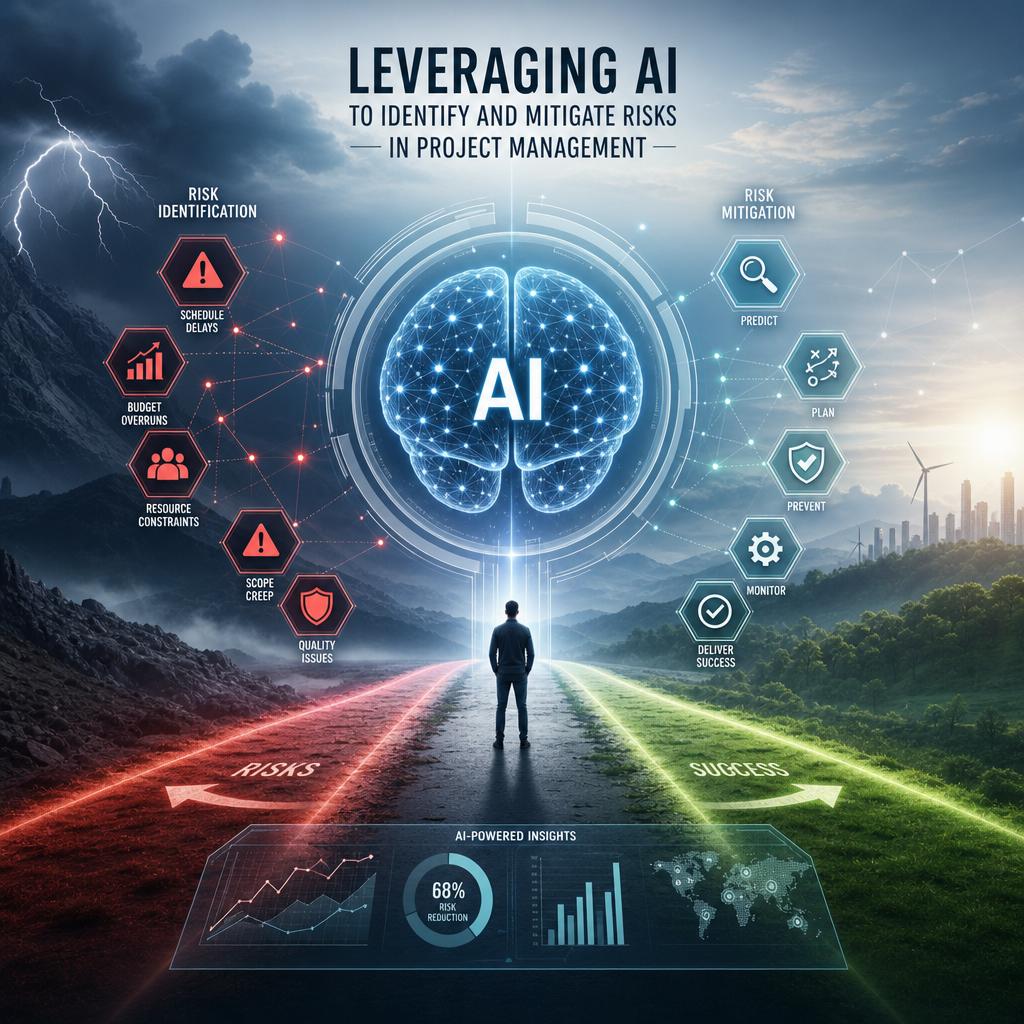
Leveraging AI to Identify and Mitigate Risks in Project Management
Modern project management increasingly relies on artificial intelligence to make sense of vast data sets and complex workflows. Through advanced algorithms, AI systems can detect patterns and anomalies that often precede potential pitfalls. This capability allows project managers to anticipate challenges long before they manifest, ensuring a proactive rather than reactive approach. As a notable example,AI-powered tools can analyze historical project data to forecast risks related to budget overruns,scheduling delays,or resource shortages. This proactive risk identification is bolstered by continuous learning mechanisms, which refine risk models based on real-time project updates and outcomes.
Key AI-driven risk mitigation features include:
- Predictive analytics: Anticipate potential risks from evolving project parameters.
- Automated alerts: Real-time notifications enable swift corrective actions.
- Sentiment analysis: Gauge stakeholder concerns from communication channels.
- Resource optimization: Balance workload to reduce strain-related errors and delays.
| Risk Factor | AI Detection Method | Mitigation Strategy |
|---|---|---|
| Scope Creep | Natural Language Processing on project documents | Automated scope-change alerts and impact analysis |
| Resource Shortage | Predictive workload balancing | Dynamic reallocation and hiring recommendations |
| Schedule Delays | Timeline deviation pattern recognition | Prioritized task adjustments and contingency planning |
Optimizing Real-Time Project Updates Through Intelligent Automation
In modern project management, dynamic environments demand instantaneous insights to keep teams aligned and deadlines intact. Intelligent automation harnesses real-time data streams,transforming how updates are collected,processed,and communicated. Instead of relying on manual status reports that are often outdated by the time they reach stakeholders, automated systems continuously monitor project metrics-such as task completion rates, resource allocationsand progress against milestones-delivering instantaneous alerts and dashboards. This facilitates swift decision-making and enhances openness across all levels of the organization.
Key advantages of integrating intelligent automation in project updates include:
- 24/7 real-time monitoring and instant anomaly detection
- Automated synthesis of data into visual reports tailored to team roles
- Reduction of human error by eliminating manual update processes
- Seamless integration with existing project management tools for unified workflows
| Update Type | Automation Impact | Benefit |
|---|---|---|
| task Completion | Instant status tracking | Faster bottleneck identification |
| Resource Availability | Real-time adjustments | Optimized workload distribution |
| Risk Alerts | Predictive triggers | Proactive mitigation |
Implementing Best Practices for Integrating AI Tools in Project Management Workflows
Effectively embedding AI tools into project management workflows requires a strategic approach that prioritizes alignment with existing processes and teams’ adaptability. First and foremost, it is crucial to evaluate the project’s needs and challenges to identify which AI capabilities-such as predictive analytics, automated schedulingor real-time risk detection-will deliver the highest impact. Later, ensure seamless integration by choosing tools compatible with current project management software and fostering an habitat of transparent communication and training.empowering team members through continuous education and feedback loops encourages trust and mitigates resistance, turning AI adoption into a collaborative success rather than a disruptive change.
Another significant aspect is implementing robust data governance and ethical standards to maintain transparency and accountability in AI-driven decisions. Define clear protocols for data privacy, model monitoringand bias mitigation to safeguard the integrity of project outcomes. Consider this simple breakdown of key best practices:
| Best Practice | Objective | Outcome |
|---|---|---|
| Needs Assessment | Identify fit AI tools | Maximize relevance & efficiency |
| Team Training | Build user confidence | Smooth adoption & collaboration |
| Ethical Guidelines | Ensure fair AI use | trustworthy decisions & compliance |
| Continuous Monitoring | Track AI performance | Continuous improvement & risk control |
By thoughtfully applying these principles, project managers can harness AI as a powerful ally, streamlining workflows, reducing risksand enabling agile, data-driven decision-making.