

The Role of AI in Personalized learning for Individuals with Disabilities
With advancements in artificial intelligence, educational experiences are becoming increasingly tailored to meet the unique needs of learners with disabilities. AI-driven tools can adapt instructional content in real time, considering individual learning paces, preferences, adn specific challenges. For example, speech recognition and natural language processing enable seamless communication for students with auditory or speech impairments, while computer vision assists those with visual difficulties by converting text to audio or providing descriptive imagery. These technologies empower learners by enhancing accessibility, engagementand comprehension through personalized feedback and multisensory learning approaches.
Key AI Features Transforming Personalized Learning:
- Adaptive Learning Systems: Modify curriculum dynamically based on learner performance and needs.
- Assistive Communication Tools: Facilitate interaction through voice-to-text, text-to-speechand sign language recognition.
- Cognitive and Emotional Analytics: Monitor learner emotions and cognitive load to adjust instruction intensity.
- Predictive Progress Tracking: Identify potential learning barriers early and suggest targeted interventions.
| Disability Type | AI Support Example | Benefit |
|---|---|---|
| Visual impairment | Text-to-speech & image Recognition | Improved content accessibility |
| Hearing Impairment | Speech-to-text & Captioning | Enhanced communication and understanding |
| Learning Disabilities | Adaptive quizzes & Interactive exercises | Customized difficulty levels |
| Physical Disabilities | Voice-controlled interfaces | Increased autonomy in device use |
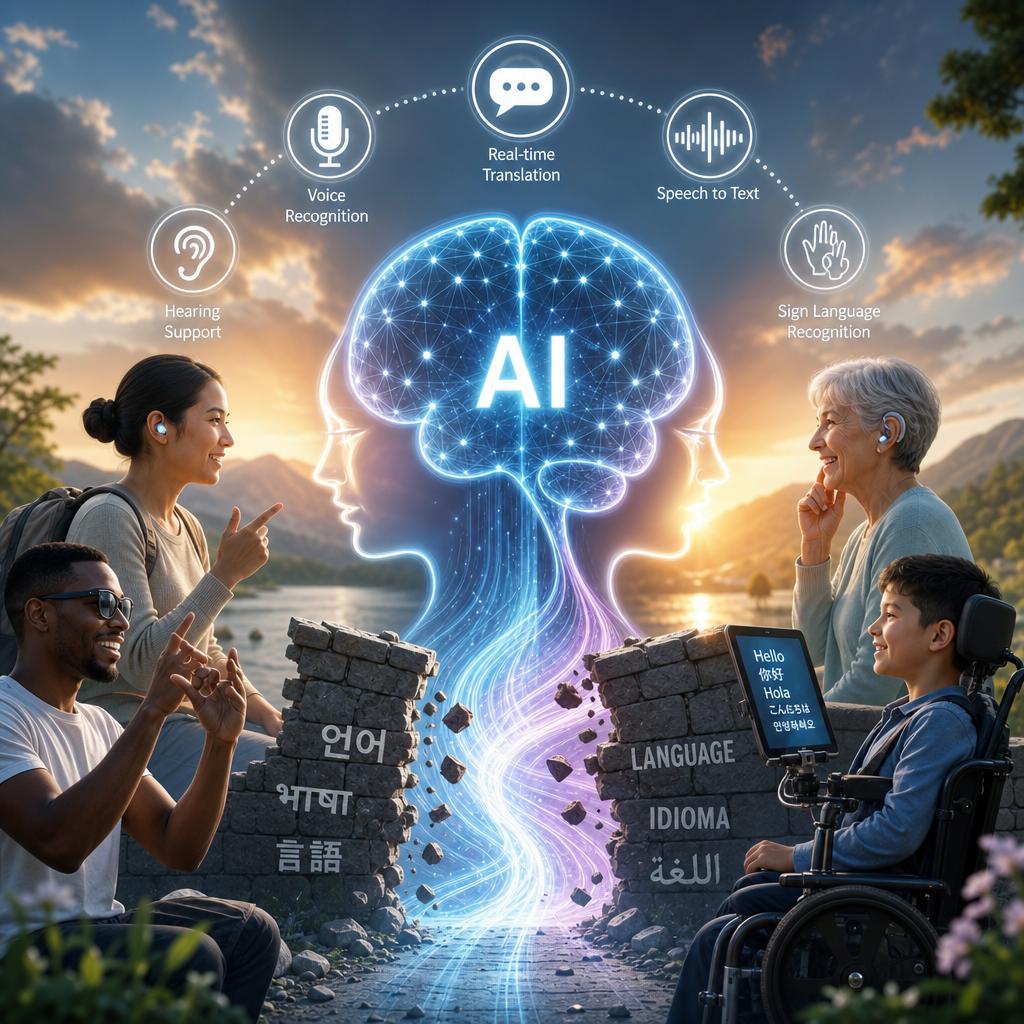
Breaking Down Communication Barriers through AI-Driven Assistive Technologies
Artificial Intelligence is revolutionizing the way individuals with disabilities access education by tailoring learning experiences to meet their unique needs. Through sophisticated algorithms,AI-driven assistive technologies can adapt in real-time,providing personalized support that enhances comprehension and engagement. Tools such as speech-to-text, real-time language translationand predictive text input remove traditional communication barriers, enabling learners to participate fully and confidently in academic settings. Moreover, these solutions promote independence by allowing users to navigate learning materials and communicate without constant human intervention.
Key benefits of AI-driven assistive technologies include:
- Adaptive learning environments: Customizing content complexity and presentation based on user feedback and progress.
- Multimodal communication: Supporting interaction through voice, text, and visual cues to accommodate diverse abilities.
- Enhanced accessibility: Converting text to speech or augmenting vision through AI-powered image recognition.
| Technology | Primary Benefit | Example Use Case |
|---|---|---|
| Speech Recognition | Hands-free communication | Dictating assignments for motor-impaired students |
| Eye-Tracking Interfaces | non-verbal interaction | Controlling digital devices via gaze for users with paralysis |
| Natural Language Processing | Contextual understanding | Language translation for deaf or hard-of-hearing learners |
Enhancing Accessibility in Educational content with AI Innovations
Advancements in artificial intelligence have revolutionized the way educational materials are designed and delivered to individuals with disabilities. AI-powered tools provide customizable learning experiences that adapt to the unique needs of each learner, promoting greater independence and confidence. As an example, text-to-speech and speech-to-text applications help students with visual impairments or dyslexia access content effortlessly, while real-time sign language recognition and translation support communication for those who are deaf or hard of hearing. These innovations foster inclusivity by breaking down barriers that once limited educational opportunities.
key benefits of AI in accessible education include:
- Personalized Learning paths: AI systems analyze individual performance and recommend tailored resources.
- Multimodal Content Delivery: Integration of audio, visualand tactile elements to suit diverse learning preferences.
- Enhanced Interaction: Voice assistants and chatbots provide instant support and feedback.
- Improved Assessment Methods: Adaptive testing that accommodates diffrent abilities without compromising rigor.
| AI Tool | Disability Addressed | Functionality |
|---|---|---|
| Screen readers | Visual Impairment | Convert text content to speech or braille display |
| Speech Recognition | Motor & Language Disabilities | Transcribe spoken words into written text |
| AI tutors | Learning Disabilities | Provide personalized, step-by-step explanations |
best Practices for Integrating AI Tools to Support Inclusive Education
To effectively integrate AI tools in educational settings for learners with disabilities, it is essential to prioritize accessibility and adaptability. AI systems must be designed with customizable features that accommodate diverse learning needs-such as speech recognition for students with motor impairments,text-to-speech for those with visual challenges,and real-time translation services for non-native speakers.Leveraging AI-powered analytics can help educators identify patterns in individual learning styles and tailor support accordingly, ensuring each student receives personalized assistance that fosters engagement and comprehension.
Key considerations for successful AI integration include:
- Collaboration with stakeholders: Engaging educators, therapists, studentsand families in the development and deployment processes to ensure relevance and usability.
- Ethical data use: Protecting student privacy with clear data policies while utilizing AI insights to enhance learning outcomes.
- Ongoing training: Equipping teachers and support staff with robust professional development on AI tools and inclusive pedagogy.
| AI Feature | Benefit | Example use |
|---|---|---|
| Adaptive Learning Algorithms | Customized pacing and content | Helping students with cognitive delays grasp concepts step-by-step |
| Natural Language Processing | Enhances communication access | Supporting speech-to-text for students with writing difficulties |
| Computer Vision | Facilitates interaction with digital materials | Assisting visually impaired students through object recognition |