

How Artificial Intelligence Revolutionizes Recipe Development
Artificial intelligence is transforming how culinary experts adn home cooks approach recipe creation by enabling data-driven innovation and personalized culinary experiences. By analyzing vast databases of ingredients, flavour profilesand cooking techniques, AI algorithms can generate novel recipes tailored to individual preferences and dietary restrictions. this dynamic approach allows for flavor combinations that might otherwise be overlooked, offering both creativity and precision. moreover,AI can predict ingredient substitutions to accommodate allergies or unavailable items without compromising the dish’s integrity.
Beyond recipe formulation, AI streamlines meal planning and cooking schedules with remarkable efficiency. Advanced systems can optimize timing by coordinating multiple dishes for simultaneous completion, improving kitchen workflow. Below is an example of how AI can manage cooking stages for a three-course meal:
| Course | Dish | Start Time | Cook Time | Finish Time |
|---|---|---|---|---|
| Starter | Roasted Tomato Soup | 0 min | 20 min | 20 min |
| Main | Grilled Lemon Chicken | 10 min | 30 min | 40 min |
| Dessert | Chocolate Mousse | 30 min | 15 min | 45 min |
- Reduced waiting times in meal preparation
- Minimized ingredient waste via optimized shopping lists
- Enhanced nutritional balance through AI-curated menu planning
The integration of AI into culinary arts is paving the way for smarter, fasterand more enjoyable cooking experiences.
Optimizing Meal Planning with AI Powered Tools
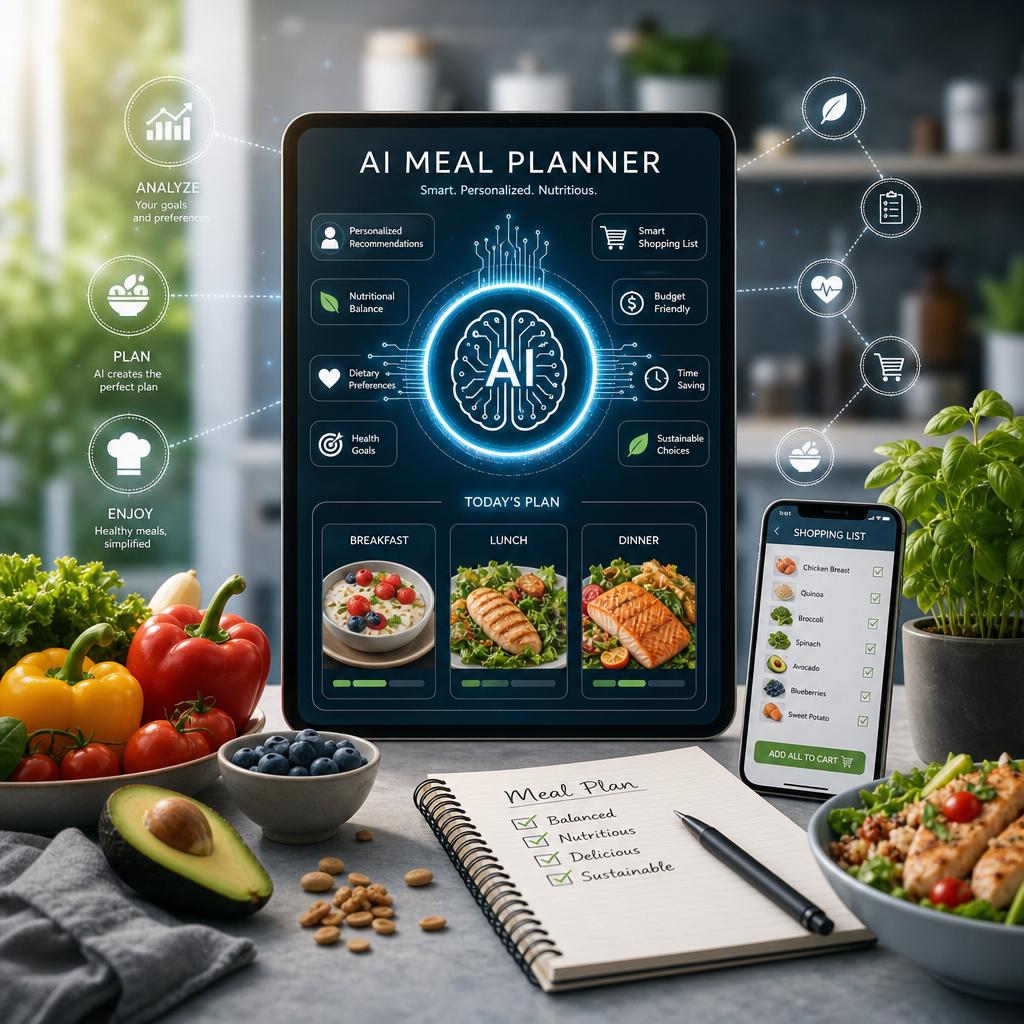
AI-powered meal planning tools revolutionize how we approach cooking by intelligently tailoring recipes and shopping lists to individual preferences and dietary needs. These platforms analyse user inputs-such as allergies, calorie goalsand ingredient availability-to generate optimized meal plans that minimize waste and maximize nutritional balance. key advantages include:
- Dynamic recipe recommendations based on seasonal ingredients and user habits
- Real-time inventory management to reduce redundant purchases
- Personalized portion sizing to support health and budget goals
incorporating AI also refines timing strategies,ensuring that each dish is prepared efficiently without compromising flavor or texture. By synchronizing cooking steps and adjusting timing based on user expertise and kitchen equipment, these tools deliver seamless culinary experiences. The following table illustrates a sample optimized cooking schedule generated by an AI assistant, highlighting staggered start times for multiple dishes:
| Dish | Prep Time | Cooking Duration | Start Time | Finish Time |
|---|---|---|---|---|
| Grilled Salmon | 10 min | 15 min | 6:00 PM | 6:25 PM |
| Quinoa Salad | 15 min | 20 min | 5:40 PM | 6:00 PM |
| Steamed Vegetables | 5 min | 10 min | 6:15 PM | 6:30 PM |
Precision Timing and Efficiency in Cooking Through AI Integration
Integrating artificial intelligence into the culinary process revolutionizes how chefs and home cooks manage their time in the kitchen.AI-powered systems use advanced algorithms to analyze multiple factors such as ingredient types, cooking methodsand real-time sensory data to optimize cooking sequences. This precision timing ensures that each component of the meal reaches its ideal doneness concurrently, eliminating guesswork and reducing food waste. By adjusting temperature,stirring intervals,and cooking durations dynamically,AI-driven appliances enhance consistency and allow users to multitask confidently.
Efficiency gains through AI integration include:
- Automated adjustment of cooking schedules based on ingredient readiness
- Smart synchronization of multi-dish preparations to serve everything hot and fresh
- Real-time feedback on texture and aroma to fine-tune timing
| AI Feature | Benefit | Example Use |
|---|---|---|
| Dynamic Temperature Control | Prevents overcooking or undercooking | Adjusts heat during sautéing based on real-time feedback |
| Multi-Task Scheduling | Allows concurrent cooking of multiple dishes | Times pasta boiling to finish as sauce is simmering |
| Predictive Timing Algorithms | Foresees optimal plating time | Delivers alerts when each item reaches peak readiness |
Leveraging AI for Personalized Culinary Experiences and Dietary Needs
Artificial intelligence has revolutionized the way we approach cooking by tailoring recipes to fit individual preferences and nutritional requirements with unparalleled accuracy. By analyzing users’ dietary restrictions, flavor profiles, and even available kitchen tools, AI transforms the cooking experience into a personalized culinary journey. This technology dynamically adjusts ingredients and portion sizes, ensuring both health goals and taste desires are met seamlessly. As an example, AI-powered platforms can suggest alternatives for allergens, balance macronutrients for specific dietsand propose ingredient swaps that maintain flavor integrity without compromising dietary needs.
Moreover, the integration of AI in meal planning and timing optimizes daily routines by synchronizing cooking tasks with users’ schedules and energy levels. Key benefits include:
- Smart recipe sequencing: AI arranges cooking steps to maximize efficiency, reducing wait times and minimizing multitasking stress.
- Adaptive portion control: It calculates servings based on real-time household data such as guest count or leftovers.
- Dynamic meal plans: Weekly menus adjust automatically to incorporate user feedback, seasonal ingredientsand nutritional balance.
| Feature | Benefit | Example Use |
|---|---|---|
| Allergen Detection | Ensures safety and dietary compliance | Auto-removes peanuts from Thai recipes for allergy sufferers |
| Calorie Optimization | Supports weight management and health goals | Adjusts ingredient quantities for low-calorie lunches |
| Cooking Time Prediction | Improves kitchen workflow and timing | Schedules meal prep to complete as user arrives home |