

How Artificial Intelligence Enhances Personalized Fitness Guidance
Artificial intelligence revolutionizes how fitness enthusiasts receive personalized workout plans and nutritional advice by leveraging data-driven insights. Through continuous analysis of an individual’s performance, preferencesand progress, AI-powered platforms adapt recommendations dynamically to meet evolving goals. This customization ensures that each plan maximizes effectiveness while minimizing risk of injury, empowering users with tailored support that goes beyond generic guidelines.Key benefits include:
- Real-time adjustments based on biometrics and feedback
- optimized exercise selection targeting specific muscle groups or health outcomes
- Personalized pacing to match fitness levels and recovery needs
- Motivational cues designed to sustain engagement over time
Besides enhancing workout planning, AI excels in detailed activity and health tracking by integrating data from wearable devices. This constant monitoring provides invaluable insights into patterns such as sleep quality, heart rate variabilityand calorie expenditure, which contribute to more accurate goal setting and progress evaluation. Below is a simple illustration of how AI synthesizes various data inputs to refine fitness guidance:
| Data Input | AI Analysis Focus | Personalized Outcome |
|---|---|---|
| Heart Rate | Recovery status and exertion levels | Adjust rest days and intensity |
| Sleep Patterns | Restorative quality and duration | Modify workout timing and difficulty |
| Movement Data | Form efficiency and imbalance detection | Suggest corrective exercises |
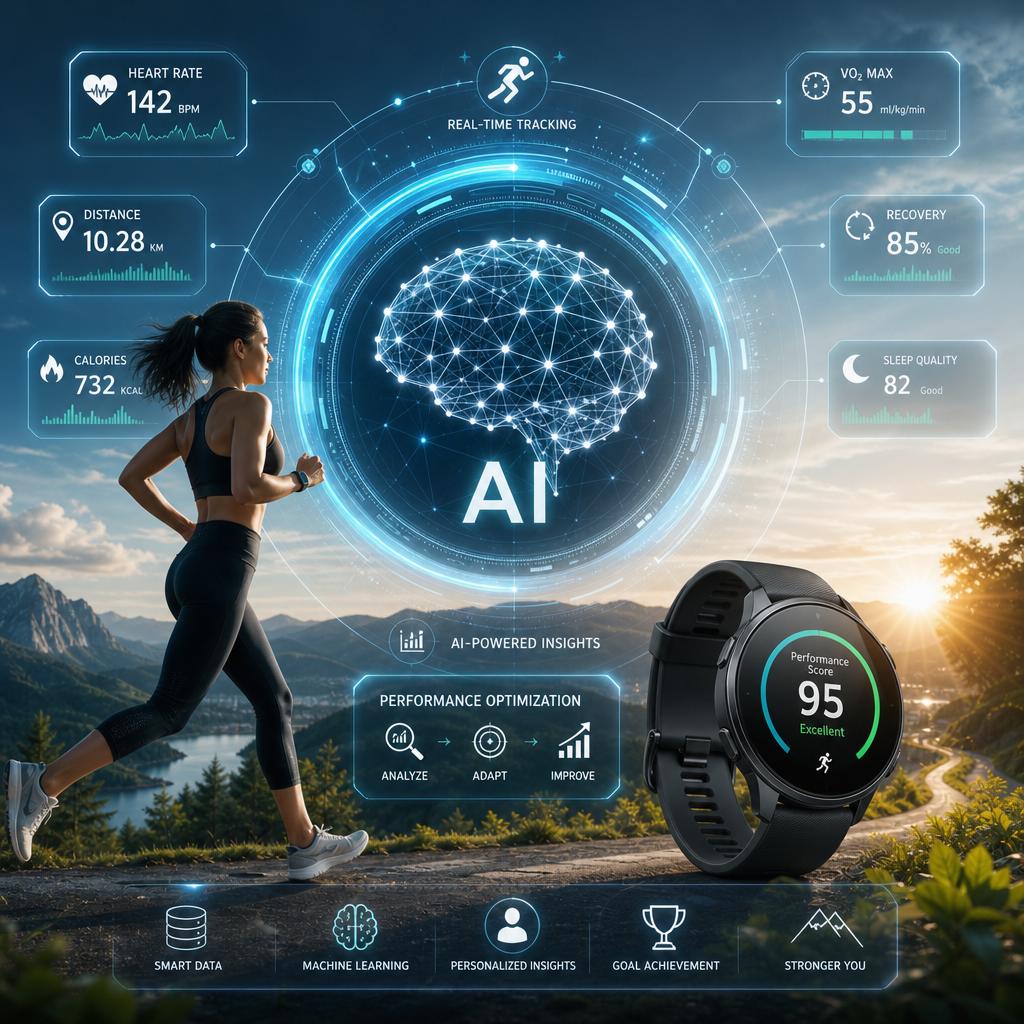
Utilizing AI for Precise Fitness Tracking and Performance Optimization
Artificial intelligence (AI) has revolutionized the way athletes and fitness enthusiasts approach their training,offering unparalleled precision in tracking key performance metrics. By leveraging data from wearables and sensors,AI algorithms analyse movement patterns,heart rate variability,and recovery rates to provide tailored feedback. This allows users to adjust their workouts in real-time, maximizing efficiency without relying on subjective self-assessment. Key benefits include:
- Customized workout intensity based on physiological data
- Identification of subtle form deviations to prevent injury
- Optimized rest periods driven by recovery analytics
- Insight into performance plateaus and strategies to surpass them
The integration of AI also facilitates deeper performance optimization through continuous learning and adaptation. Unlike static programs, AI evolves with the user’s progress, consistently refining exercise recommendations.Consider the following simplified comparison of traditional versus AI-driven tracking:
| aspect | Traditional Tracking | AI-Enhanced Tracking |
|---|---|---|
| Data Analysis | Manual, periodic review | Continuous, real-time processing |
| Feedback Precision | Generalized instructions | Highly individualized recommendations |
| Injury Prevention | Relies on user awareness | Automated detection of risk patterns |
| Workout Adaptability | Static program changes | Dynamic adjustment based on progress |
By harnessing these capabilities, AI transforms fitness tracking from mere logging into an bright, responsive system designed to enhance athletic performance while minimizing setbacks.
understanding the Limitations of AI in medical Diagnosis Within Fitness Contexts
While AI has made notable strides in assisting the fitness industry, it is indeed crucial to acknowledge that its role in medical diagnosis remains limited. Unlike trained healthcare professionals, AI systems designed for fitness primarily focus on enhancing user experience through guidance and progress tracking rather than making clinical assessments. This distinction is vital as medical diagnosis requires nuanced understanding, contextual judgment, and ethical considerations that current AI technologies cannot fully replicate within fitness contexts.
Key limitations to consider include:
- Lack of comprehensive medical data: Fitness AI tools frequently enough do not have access to full medical histories or laboratory results needed for accurate diagnosis.
- context sensitivity: AI in fitness isn’t equipped to interpret symptoms or underlying conditions that demand clinical evaluation.
- regulatory and ethical boundaries: Diagnostic functions require strict compliance with medical standards and oversight, which fitness applications generally lack.
| Function | Fitness AI Capability | Medical Diagnostic Requirement |
|---|---|---|
| Health Recommendations | Personalized exercise & nutrition plans | Medical history & lab testing |
| Symptom Analysis | Basic pain or fatigue tracking | comprehensive clinical examination |
| Condition Diagnosis | Not supported | Physician evaluation & imaging |
Integrating AI Tools Effectively for Safe and Informed Fitness Progression
To harness the full potential of AI in fitness without compromising safety, users must view these tools as complementary aids rather than definitive health authorities. AI solutions excel in offering personalized exercise recommendations based on data inputs such as activity level, workout historyand goal setting, while also providing real-time feedback on form and technique through motion analysis. However, the critical understanding is that these suggestions do not equate to medical diagnoses or treatment plans. Users should always pair AI guidance with professional advice,especially when dealing with injuries or pre-existing health conditions. This dual approach ensures progression is informed, responsibleand tailored to individual needs.
- Consistent tracking: AI tools automatically collect workout metrics to identify trends and plateaus,enabling smarter adjustments over time.
- Education over automation: Rather than replacing human judgment, AI platforms encourage users to learn about their bodies and fitness responses through data insights.
- Safety mechanisms: Many AI applications include alerts for overtraining risks or incorrect postures, helping prevent injuries before thay occur.
| Feature | Role | Limitation |
|---|---|---|
| Form Correction | Offers real-time posture adjustments | Cannot replace professional physiotherapist evaluation |
| Progress Tracking | Monitors key performance indicators | Data interpretation needs user discretion |
| Workout Suggestion | Personalizes routines to goals | Ignores unique medical histories |