

How Artificial Intelligence Analyzes Learner Data to Tailor Study Plans
Artificial intelligence engines dissect vast amounts of learner data to unlock insights that guide personalized educational pathways. By evaluating metrics such as past performance, engagement rates, and preferred learning modes, AI constructs individualized profiles that reflect both strengths and areas needing betterment. This dynamic assessment allows the study plans to evolve in real-time, aligning with the learner’s unique pace and style. Key data points mined include:
- Assessment scores: to identify mastery and gaps
- Time spent on topics: to gauge interest and difficulty
- Interactive feedback: to adjust teaching strategies
- Behavioral patterns: to predict motivators and distractions
| Data Aspect | Role in Tailoring Plans |
|---|---|
| Performance Trends | Spot weaknesses and accelerate strengths |
| Engagement Signals | Customize content delivery method |
| Learning Preferences | Select appropriate resources and pace |
| Feedback Analysis | Refine adaptive interventions |
With these insights,AI systems generate study plans that are far from one-size-fits-all. Instead, they offer a fluid framework where content difficulty, resource type, and review intervals are optimized for maximal retention and motivation. This precision targeting transforms passive learning into an engaging,responsive journey,where the learner’s individual needs drive every advice. The outcome is a smarter, faster route to mastery powered by the seamless integration of data analytics and cognitive science principles.
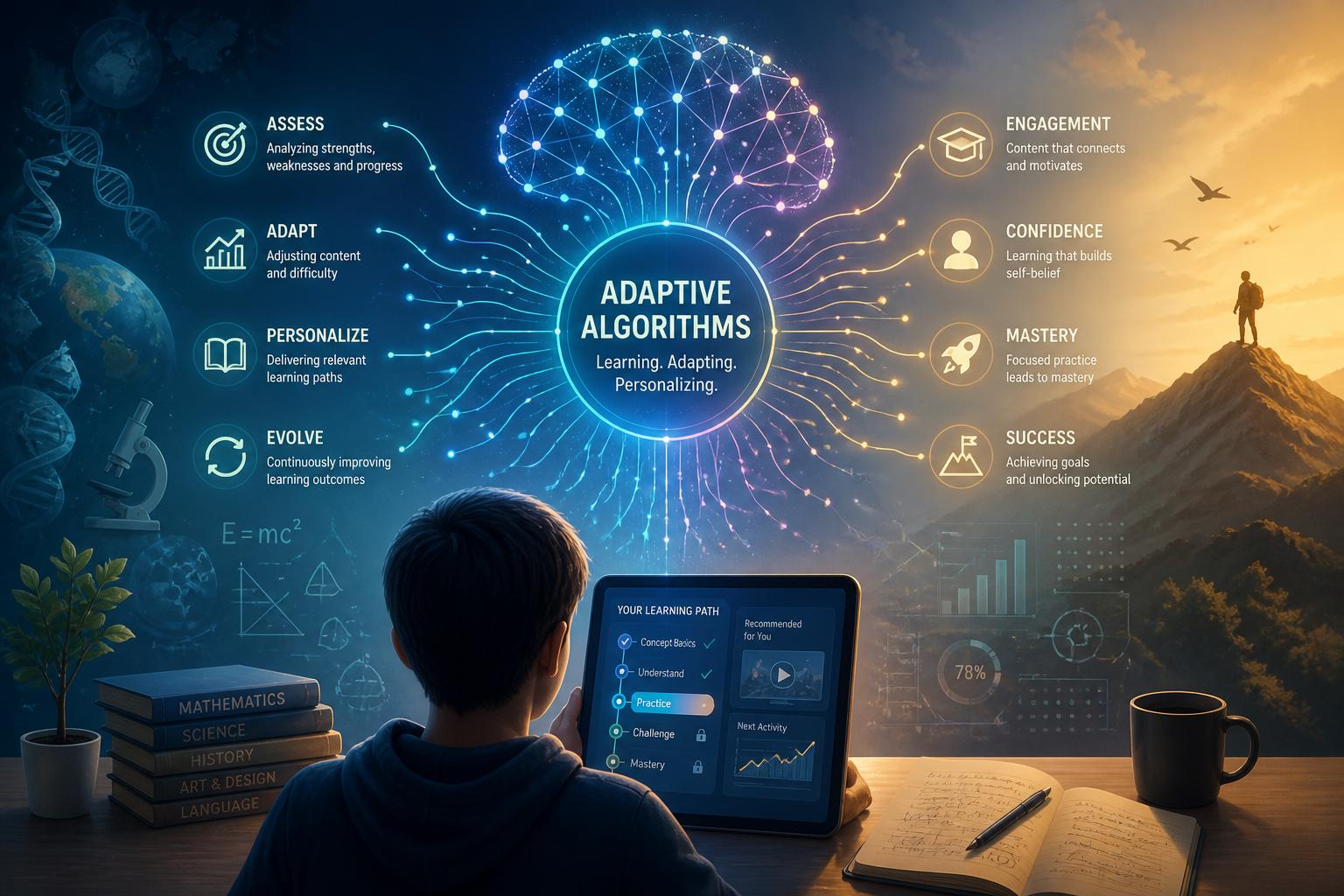
The Role of Adaptive Algorithms in Enhancing Personalized Learning Experiences
Adaptive algorithms play a crucial role by continuously analyzing a learner’s interactions,performance metrics,and behavioral patterns to dynamically tailor educational content. This ensures that every study session is optimized for efficiency and engagement,targeting areas where the learner struggles while accelerating progress in mastered topics. these algorithms employ sophisticated data models which include:
- Real-time feedback loops that adjust difficulty levels and content pacing
- Predictive analytics to anticipate knowledge gaps and learning plateaus
- Personalized reinforcement strategies based on individual retention rates
Moreover, adaptive algorithms integrate seamlessly with AI-driven learning platforms to create a truly immersive and customized educational habitat. By recognizing distinctive learning styles and preferences,they enable the delivery of multimedia resources,such as videos,quizzes,and interactive simulations,tailored specifically to the student’s needs. The following table highlights key benefits derived from employing adaptive algorithms in personalized learning systems:
| benefit | Impact on Learning |
|---|---|
| Enhanced Engagement | Boosts motivation through relevant and varied content formats |
| Increased Retention | Focuses repetition on weak areas for deeper understanding |
| Optimized Study Time | eliminates unneeded review with targeted practice |
| Data-Driven Insights | Provides actionable feedback for instructors and learners alike |
Implementing AI-Driven Study Plans to Maximize Educational Outcomes
Advanced AI algorithms analyze a learner’s strengths, weaknesses, and preferences to craft study plans that are uniquely personalized. This dynamic approach continuously adapts to real-time progress, ensuring that each session targets areas needing improvement while reinforcing mastered concepts. The result is an efficient learning trajectory that reduces time spent on redundant materials and maximizes cognitive retention.
Key benefits include:
- Adaptive pacing: AI adjusts lesson speed based on comprehension and engagement metrics.
- Focused content delivery: Prioritizes topics where learners face consistent challenges.
- Data-driven insights: Progress dashboards highlight performance trends and achievement milestones.
- Motivational nudges: Timely reminders and customized encouragement keep learners engaged.
| Feature | Traditional Study Plan | AI-driven Study Plan |
|---|---|---|
| Customization | Generic, one-size-fits-all | Highly personalized |
| Adaptability | Fixed schedule | Dynamic adjustments |
| Feedback | Periodic, manual | Instant, data-backed |
| Progress Tracking | Basic milestone checks | Detailed analytics & insights |
Best Practices for Integrating AI Tools into personalized Learning Strategies
Effectively incorporating AI tools into personalized learning requires a thoughtful approach centered on student engagement and data privacy. Start by selecting AI platforms that offer adaptive learning paths, ensuring content dynamically aligns with individual learner strengths and weaknesses. It is indeed crucial to balance automation with human oversight; educators should regularly review AI-generated recommendations to maintain relevance and cultural sensitivity. Additionally, protecting student data through encrypted systems and compliance with educational regulations fosters trust and long-term adoption.
to maximize impact, focus on continuous feedback loops powered by AI analytics. These tools can identify real-time trends in learner performance and adjust study plans accordingly.Successful integration frequently enough involves:
- Collaborative goal setting: Empower learners to define objectives that AI can tailor content toward.
- Iterative content updates: Use AI insights to refine educational materials frequently.
- Multi-modal learning modes: Combine visual, auditory, and kinesthetic AI-driven resources to cater to diverse preferences.
| Best Practice | Impact |
|---|---|
| Data Privacy Protocols | Builds learner trust |
| Adaptive Skill Assessments | Enhances personalized challenges |
| Real-Time performance Feedback | Boosts engagement & retention |