
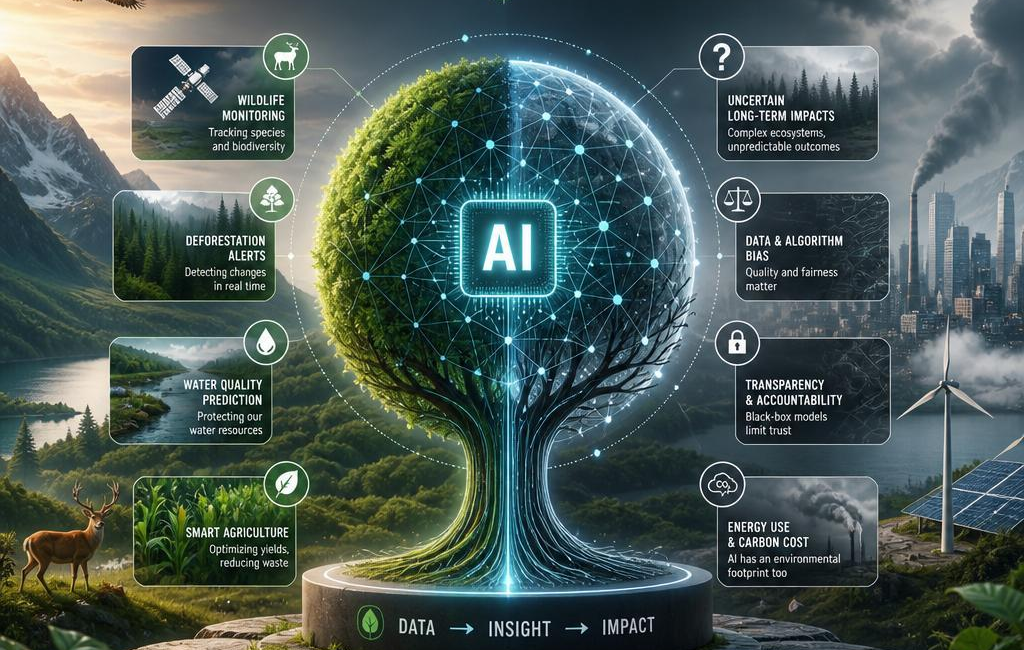
Environmental AI Applications Transforming resource Management and Conservation
Advanced artificial intelligence technologies have ushered in a new era of precision and efficiency for environmental resource management. Through satellite imagery analysis,AI models can now detect subtle changes in forest cover and water bodies wiht unprecedented accuracy,enabling timely intervention.In agriculture, predictive analytics optimize water usage and fertilizer request, minimizing waste while maximizing yield. Equally meaningful is AI’s role in wildlife conservation,where pattern recognition software helps monitor endangered species,track migration routes,and identify poaching threats in real time.
Key AI-driven innovations reshaping environmental stewardship include:
- Remote sensing algorithms for ecosystem health monitoring
- Predictive models forecasting droughts and floods
- Automated drone surveillance supporting anti-poaching efforts
- Smart irrigation systems conserving freshwater resources
| Technology | Primary Benefit | Impact on Conservation |
|---|---|---|
| Machine Learning Models | enhanced data interpretation | Informed decision-making |
| AI-Powered Drones | Real-time monitoring | Reduced illegal activities |
| Predictive Analytics | Resource optimization | Lower environmental footprint |
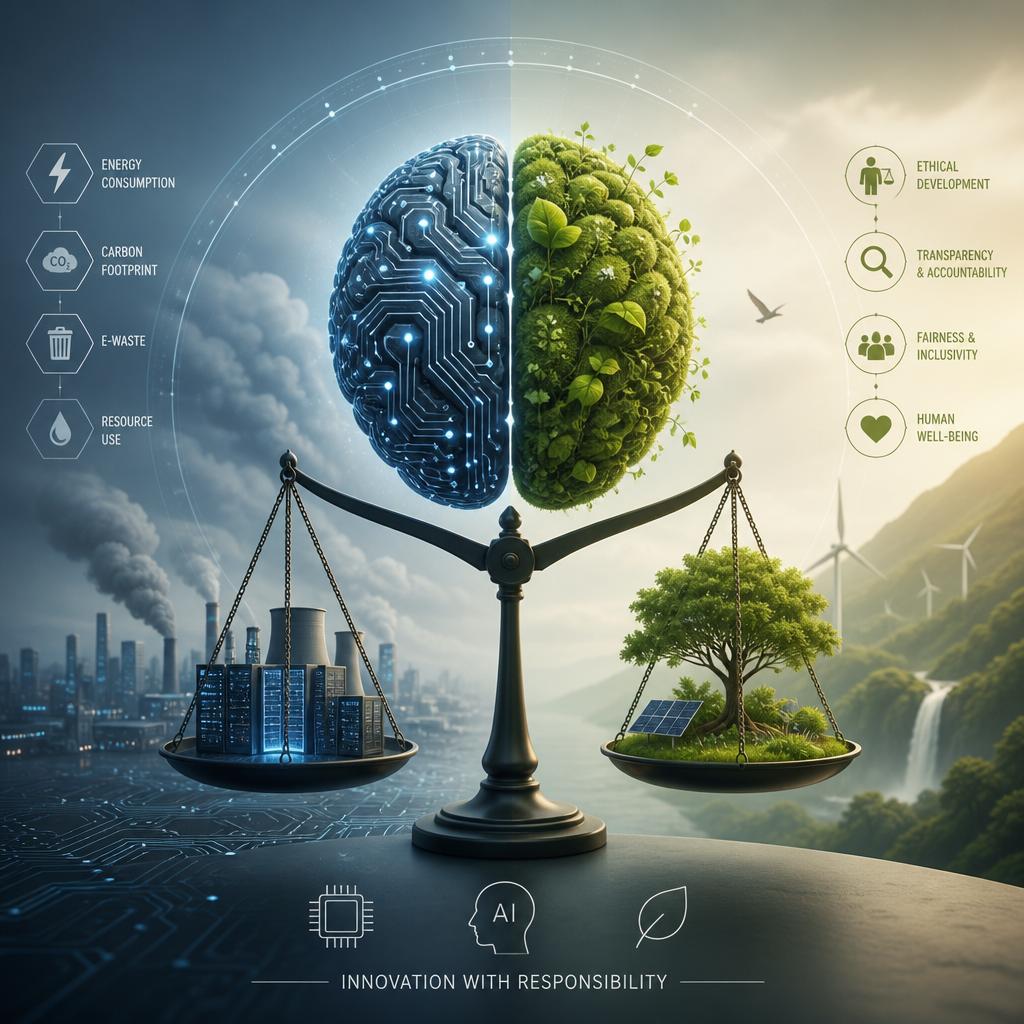
Evaluating the Environmental Impact and ethical Considerations of AI Technologies
The deployment of AI technologies in environmental applications offers promising avenues for advancing sustainability, yet it is essential to critically assess the associated ecological footprint. While AI-driven systems can optimize energy consumption and enhance resource management, their development and operation often demand significant computational power, leading to significant carbon emissions. Key factors influencing the environmental impact include:
- Data center energy consumption, frequently enough reliant on non-renewable power sources
- Resource-intensive training processes for large machine learning models
- Hardware lifecycle and electronic waste considerations
Beyond the environmental costs, ethical challenges arise regarding the equitable distribution of AI benefits and potential exacerbation of social inequalities. Openness in AI algorithms and accountability for decisions affecting ecosystems and communities are paramount. The following table highlights core ethical considerations alongside potential mitigation approaches:
| Ethical Consideration | Potential Mitigation strategies |
|---|---|
| Algorithmic Bias in Environmental Predictions | Incorporating diverse datasets and stakeholder input |
| Displacement of Indigenous Knowledge | Collaborative frameworks respecting local expertise |
| Lack of Transparency in AI Decision-Making | Open-source models and explainable AI techniques |
| Access Disparities in Technology Deployment | Inclusive policy design and capacity building |
Enhancing Data Accuracy and Predictive Models for Sustainable Decision Making
Accurate data forms the backbone of transformative AI solutions in environmental management, allowing policymakers and scientists to forge pathways toward sustainability anchored in reliable insights. By integrating sensor networks, satellite imageryand real-time environmental monitoring, AI systems facilitate the creation of robust datasets that minimize errors traditionally associated with manual data collection. This precision empowers predictive models to simulate diverse ecological scenarios, anticipate climate impactsand evaluate conservation strategies with heightened confidence. Key elements enhancing data accuracy include:
- Data Validation Protocols: Automated cross-checking and anomaly detection ensure integrity before model integration.
- Advanced Calibration Techniques: Continuous adjustments align AI predictions more closely with observed outcomes.
- Multisource Data Fusion: Combining heterogeneous data sources improves completeness and mitigates bias.
Predictive models built on this sound data foundation enable decision-makers to assess the trade-offs inherent in environmental policies swiftly and with greater nuance. As an example, machine learning algorithms can project emissions outcomes under various policy frameworks or optimize resource allocation for habitat restoration. The resultant intelligence underpins more adaptive, evidence-driven governance structures that respond dynamically to emerging environmental challenges. The interplay of data precision and predictive accuracy is succinctly conveyed in the table below, illustrating typical error reduction percentages across different model enhancements:
| Model enhancement | Error Reduction (%) |
|---|---|
| Data Validation Protocols | 15-20 |
| Advanced Calibration Techniques | 10-15 |
| Multisource Data Fusion | 20-25 |
Implementing Best Practices for Responsible Development and Deployment of Environmental AI
Effective stewardship of Environmental AI hinges on purposeful frameworks that balance innovation with ethical accountability. Clear data sourcing ensures stakeholders can trust the inputs driving AI decisions, while rigorous validation protocols minimize risks of unintended environmental consequences. Developers must prioritize inclusive stakeholder engagement, integrating insights from ecologists, policymakersand affected communities to ground AI solutions in ecological and social realities. This multifaceted collaboration fosters AI applications that are not only technologically advanced but also societally responsible.
Adopting best practices involves institutionalizing ongoing monitoring and adaptive management to respond dynamically to new data and emerging challenges.Consider the following core principles:
- Environmental integrity: AI models should prioritize ecosystem health and biodiversity preservation over short-term efficiency gains.
- Accountability mechanisms: Clear lines of obligation must be established for AI-driven interventions.
- Data privacy and security: Protect sensitive ecological and community data from misuse or exploitation.
- Scalability with caution: Pilot studies should precede widespread deployment to evaluate real-world impacts systematically.
| Best Practice | Key Action | Expected Outcome |
|---|---|---|
| Transparent Data Use | Public data audits and disclosure | Enhanced trust and verifiability |
| Stakeholder Collaboration | Cross-sector workshops & forums | Contextualized and accepted solutions |
| Continuous Monitoring | Real-time environmental sensors integration | Proactive issue identification |