
The Expanding Energy Footprint of Data Centers and Its Environmental Impact
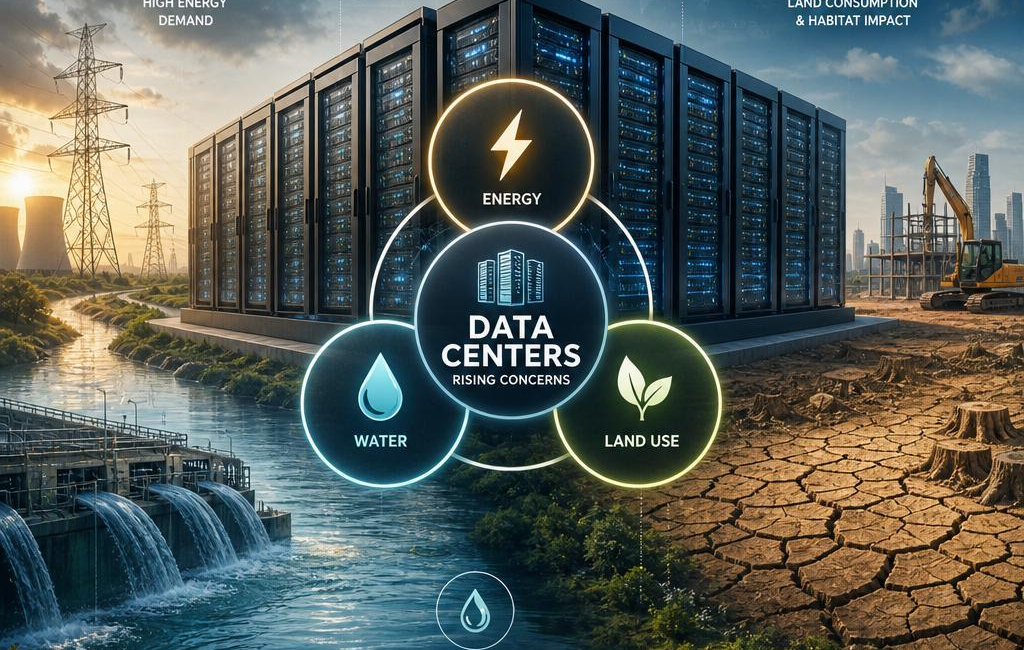
Data centers have become indispensable in the digital era, yet their rapidly growing footprint raises meaningful sustainability questions. The surge in cloud computing, streaming servicesand big data analytics has led to an exponential rise in energy consumption. Modern data centers often operate 24/7, requiring vast amounts of electricity primarily sourced from fossil fuels in many regions. This dependence translates into a substantial carbon footprint, contributing to climate change. Moreover, energy use spikes not only from powering servers but also from cooling systems necessary to maintain optimal operating temperatures, which can be equally resource-intensive.
Beyond energy, these facilities place increasing demands on water and land resources:
- Water Usage: Water-intensive cooling techniques can deplete local water supplies, especially in arid areas, straining ecosystems and communities.
- Land Consumption: Expansion to accommodate larger infrastructure necessitates land use changes that may disrupt natural habitats and reduce biodiversity.
- Waste Generation: The rapid turnover of hardware due to technological advancements creates significant e-waste challenges.
| Resource | Impact | Estimated Annual Usage |
|---|---|---|
| Energy | High carbon emissions | 300 TWh globally |
| Water | Strain on freshwater | 500 million gallons |
| Land | Habitat disruption | Thousands of acres |
Water Consumption Challenges in Data Center Operations and Sustainable alternatives
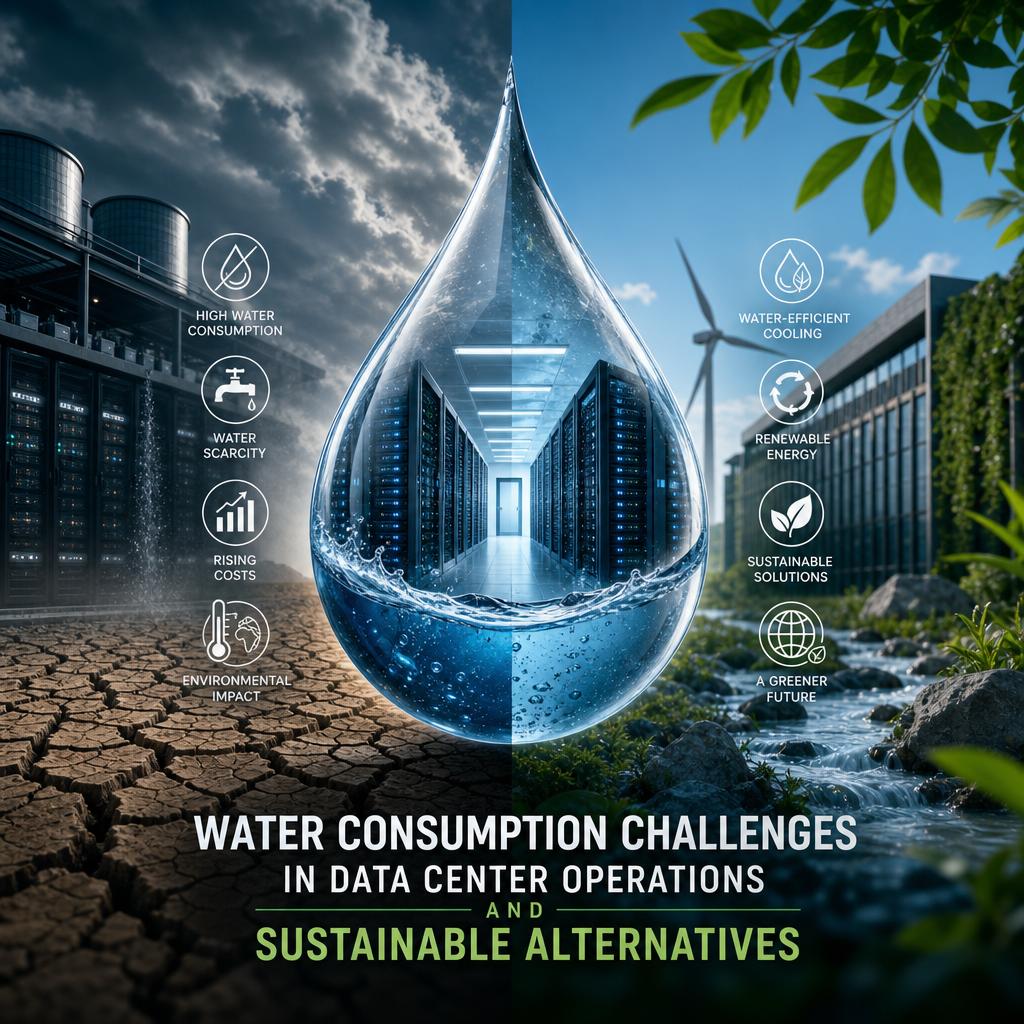
Data centers currently face significant water consumption challenges due to the extensive cooling demands required to maintain optimal operating temperatures for high-density servers. Conventional methods, such as evaporative cooling, rely heavily on large volumes of water, which can strain local water resources, especially in arid regions or areas experiencing drought. Furthermore, the growing global appetite for cloud services and data processing heightens this strain, making water efficiency an imperative focus for sustainable operations.
To address these challenges, industry leaders are shifting toward innovative alternatives that reduce water dependency while maintaining efficiency. Key solutions include:
- Closed-loop cooling systems: these systems recirculate water and minimize loss through evaporation, drastically cutting water usage.
- Air-cooling technologies: Utilizing ambient air temperatures to cool servers, reducing the need for water-based cooling.
- Use of non-potable water sources: Recycling greywater or harvested rainwater to supplement cooling needs.
- Advanced heat exchange materials: Employing cutting-edge materials to improve heat dissipation without excessive water use.
| Cooling Method | water Usage | Environmental Impact |
|---|---|---|
| Evaporative Cooling | High | Significant water consumption and evaporation |
| Closed-loop Cooling | Moderate | Reduced water loss, requires monitoring |
| Air Cooling | Minimal | Lower water footprint, potential energy trade-offs |
Land Use Implications of Data Center Construction and Strategies for Minimization
As data centers continue to proliferate across the globe, the transformation of large tracts of land for their construction poses significant environmental and social challenges. Frequently enough requiring expansive real estate in proximity to urban hubs or major infrastructure, these developments can disrupt local ecosystems, reduce green spaceand contribute to urban sprawl. The loss of agricultural land and natural habitats not only threatens biodiversity but also impacts community livelihoods and resilience. Moreover, the impervious surfaces created by data center campuses increase stormwater runoff, elevating risks of flooding and pollution in surrounding areas.
To mitigate these effects, innovative strategies have emerged focusing on sustainable land use planning. Key measures include:
- Vertical building designs: maximizing capacity on smaller footprints to limit horizontal expansion.
- Brownfield site growth: repurposing previously disturbed or industrial lands instead of encroaching on undeveloped areas.
- Integration of green infrastructure: such as green roofs, permeable pavementsand native landscaping to enhance biodiversity and manage runoff.
- Shared facilities: co-locating data centers with other infrastructure to optimize land efficiency.
| strategy | Benefit | Implementation Example |
|---|---|---|
| Vertical Building Designs | Reduces land footprint | Multi-story data centers in urban zones |
| brownfield Redevelopment | Preserves natural and agricultural land | Conversion of old industrial parks |
| Green Infrastructure | Improves environmental quality | Installation of green roofs and wetlands |
| Shared Facilities | Optimizes land use | Data hubs co-located with telecommunication centers |
Implementing Green Technologies and Policy Recommendations for Sustainable Data Center Management
Adopting innovative green technologies is no longer optional but essential for data centers aiming to mitigate their environmental footprint. Key strategies include advanced cooling methods such as liquid immersion and free-air cooling, which drastically cut energy consumption compared to traditional HVAC systems. Additionally, integrating renewable energy sources like solar and wind into data center operations not only reduces dependency on fossil fuels but also fosters resilience against fluctuating energy costs. Energy-efficient server designs and AI-powered workload distribution further optimize resource allocation, minimizing waste and enhancing overall operational efficacy.
Policy frameworks must evolve to support sustainable practices through regulatory incentives and robust environmental standards. Encouraging the adoption of green certifications and implementing mandatory reporting on resource usage can drive transparency and accountability. Below is a concise overview of recommended policy actions designed to promote sustainable management:
| Policy Advice | Impact | Implementation Focus |
|---|---|---|
| Tax Incentives for Renewables | Reduces operational costs, boosts renewable adoption | Energy sourcing and procurement |
| Mandatory Resource Usage reporting | Improves transparency and drives efficiency | Energy, waterand land consumption |
| Green Certification Programs | Standardizes sustainability benchmarks | construction and operational phases |
| Water Recycling Mandates | Conserves water resources, lowers waste | Cooling and sanitation systems |