

Concerns Over Facial Recognition Accuracy and Its Implications for Security
Despite advances in facial recognition technology, meaningful concerns remain about the reliability of its accuracy in real-world applications. Studies have demonstrated varying error rates across diffrent demographic groups, often leading to higher false positive or false negative identifications among women, people of colorand older adults. this discrepancy not only challenges the operational efficacy of security systems relying on this technology but also raises ethical questions about fairness and systemic bias. The implications of these inaccuracies extend beyond mere inconvenience; wrongful identifications can result in unwarranted detentions, privacy violationsand long-term damage to individuals’ reputations.
Key challenges highlighted include:
- Biased training data skewing recognition results
- environmental factors like lighting and angle affecting sensitivity
- Inadequate oversight and regulatory frameworks for deployment
Ensuring security through facial recognition systems demands a balanced approach that incorporates stringent accuracy benchmarks alongside robust privacy safeguards. Without transparency in algorithm development and autonomous audits, the risk of compromising civil liberties intensifies. Below is a comparative overview illustrating common sources of error and their potential impacts on security operations:
| Source of Error | Effect on Accuracy | Security Implications |
|---|---|---|
| Unequal Dataset Portrayal | Higher false positives in minority groups | Misidentification causing wrongful suspicion |
| Poor Image Quality | Increased false negatives | Failure to detect threats or persons of interest |
| Algorithmic Overfitting | Reduced adaptability to new data | Security gaps as environment changes |
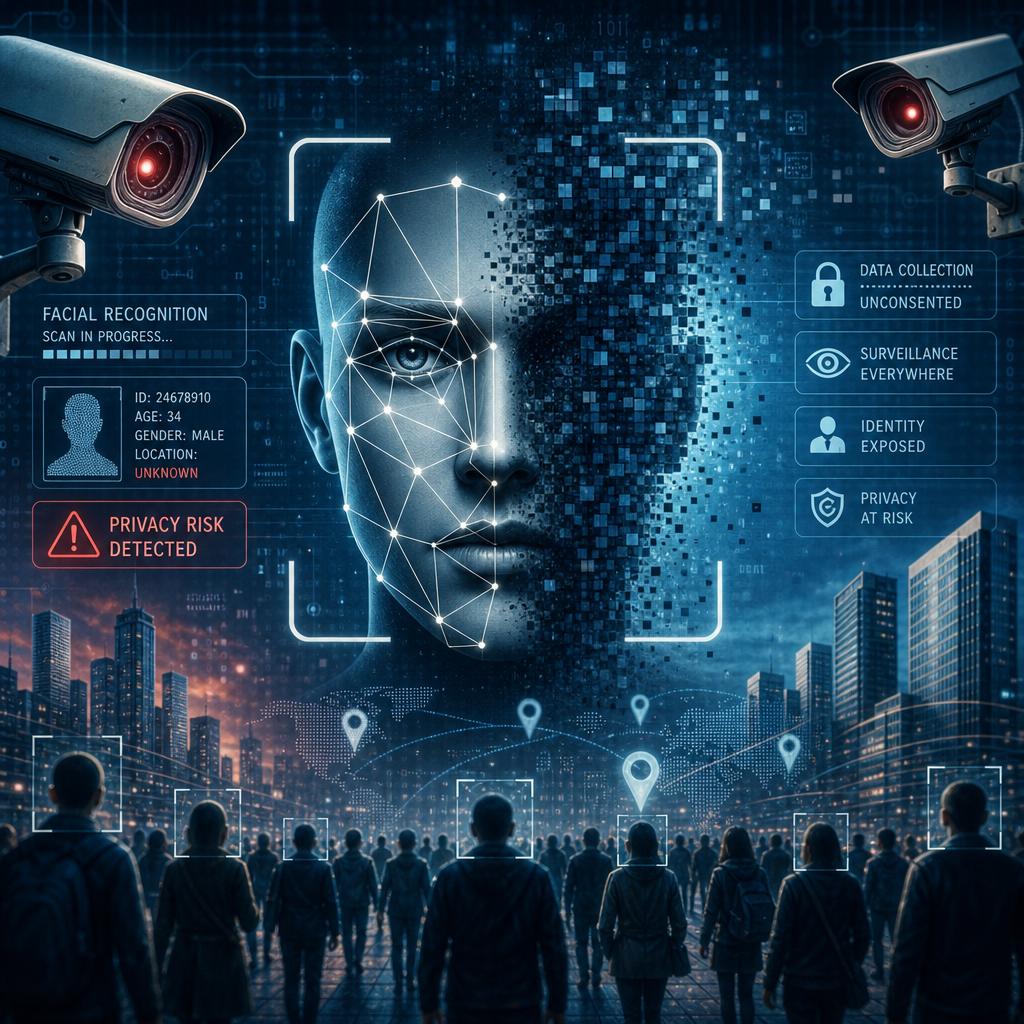
Analyzing Privacy Risks Stemming from Facial Recognition Technologies
Facial recognition technology, while advancing rapidly, presents significant challenges concerning the accuracy of its algorithms. Many systems still struggle wiht bias, notably when identifying individuals from diverse ethnic backgrounds, leading to higher rates of misidentification. This inconsistency not only diminishes trust in the technology but also raises critical questions about fairness and discrimination. errors in recognition can result in wrongful accusations, denial of servicesand other serious consequences for innocent individuals. As these systems become more integrated into law enforcement and public surveillance, the stakes for accuracy grow exponentially.
Beyond technical flaws, privacy concerns remain paramount as facial recognition systems often operate without explicit consent, collecting and storing sensitive biometric data. This unchecked data accumulation poses risks of misuse, unauthorized sharingand potentially invasive profiling practices. The lack of clear regulatory frameworks exacerbates these issues, leaving individuals vulnerable to violations of their fundamental rights. Consider the table below showcasing key privacy risks associated with these technologies:
| Privacy Risk | Potential Impact | Examples |
|---|---|---|
| Unauthorized Surveillance | Loss of anonymity in public spaces | Tracking without user consent |
| Data Breaches | Exposure of biometric data | Hacking of facial databases |
| Function Creep | Use beyond original intent | Commercial profiling & marketing |
| Discrimination | Unequal treatment in services | False identification based on race or gender |
Legal and Ethical Considerations in the Use of Facial Recognition Systems
Facial recognition systems have sparked intense debate due to the complex legal frameworks they intersect with. Among the foremost concerns is the accuracy of these technologies, which can vary significantly across different demographics, leading to potential misidentification and unjust consequences. legal systems face challenges in regulating their use, as laws often lag behind technological advancements. Many jurisdictions stress the necessity of obtaining explicit consent before capturing and processing biometric data, emphasizing individuals’ rights to control their personal details. Additionally,there is growing scrutiny regarding how long facial data is stored and who has access,raising serious questions about data security and the potential for abuse.
Ethical considerations extend beyond privacy, touching on fundamental human rights and societal values. Critics argue that widespread deployment of facial recognition can facilitate mass surveillance, disproportionately impacting marginalized communities and exacerbating inequalities. The lack of transparency in how algorithms are developed and deployed further fuels distrust. Below are some key ethical imperatives that proponents and regulators alike must address:
- Bias Mitigation: Ensuring technology does not unfairly target certain groups.
- Transparency: Clear disclosure of how facial data is used and shared.
- Accountability: Establishing mechanisms for redress when errors occur.
- Informed Consent: Guaranteeing users understand and authorize data collection.
| Consideration | Impact | Recommended Action |
|---|---|---|
| Accuracy | Misidentification | Regular algorithm audits |
| Privacy | Unauthorized usage | Strict data retention policies |
| Bias | Discrimination risks | Diverse training datasets |
| Transparency | User mistrust | Public disclosure of data practices |
recommendations for Enhancing Transparency and Protecting Individual Rights
To build trust and accountability in facial recognition technologiesorganizations and policymakers must prioritize greater transparency in their deployment and operation. This includes openly sharing detailed information about data collection practices, algorithmic decision-making processesand error rates. Establishing public registries of systems in use, accompanied by independent audits and impact assessments, can definitely help illuminate potential biases and vulnerabilities. Furthermore, empowering users with clear, accessible notices about when and how their facial data is captured ensures informed consent and mitigates risks of unnoticed surveillance.
Safeguarding individual rights demands robust legal frameworks that outline strict data privacy controls and impose stringent limits on facial recognition applications. Key measures include:
- Explicit consent requirements before data collection
- Right to opt out and request deletion of facial data
- Accountability mechanisms for misuse or unauthorized access
- Prohibitions on discriminatory uses that infringe civil liberties
| Recommendation | Purpose | Expected Outcome |
|---|---|---|
| Regular Algorithm Audits | detect and correct biases | Enhanced accuracy and fairness |
| Data Minimization | Limit data to essential information | Reduced privacy risks |
| Obvious Usage Policies | Inform public about system applications | Increased public trust |
Only through these complete approaches can the balance between technological innovation and respect for personal freedoms be achieved.