

The Science Behind Deepfake Video Creation
Deepfake technology relies primarily on advanced machine learning algorithms, specifically Generative Adversarial Networks (GANs). These networks consist of two competing models: a generator that creates synthetic media and a discriminator that evaluates its authenticity. Over successive training cycles, the generator improves its output to produce increasingly realistic videos that can mimic facial expressions, speech patternsand even subtle emotional cues with startling precision.
the process involves several key stages to ensure the final output is seamless:
- Data acquisition: Large datasets of images and videos are collected to train the AI on the target subject’s features.
- Facial mapping: the AI learns to map facial landmarks and muscle movements to replicate expressions accurately.
- video synthesis: Integration of generated facial movements with an existing video, maintaining synchrony with speech and surroundings.
| Step | Role | Impact |
|---|---|---|
| Training | Learn facial features | Improves realism |
| Generation | Create fake frames | Forge deceptive sequences |
| Refinement | Enhance video quality | Reduces detection risk |
identifying and Detecting Deepfake Videos with Precision
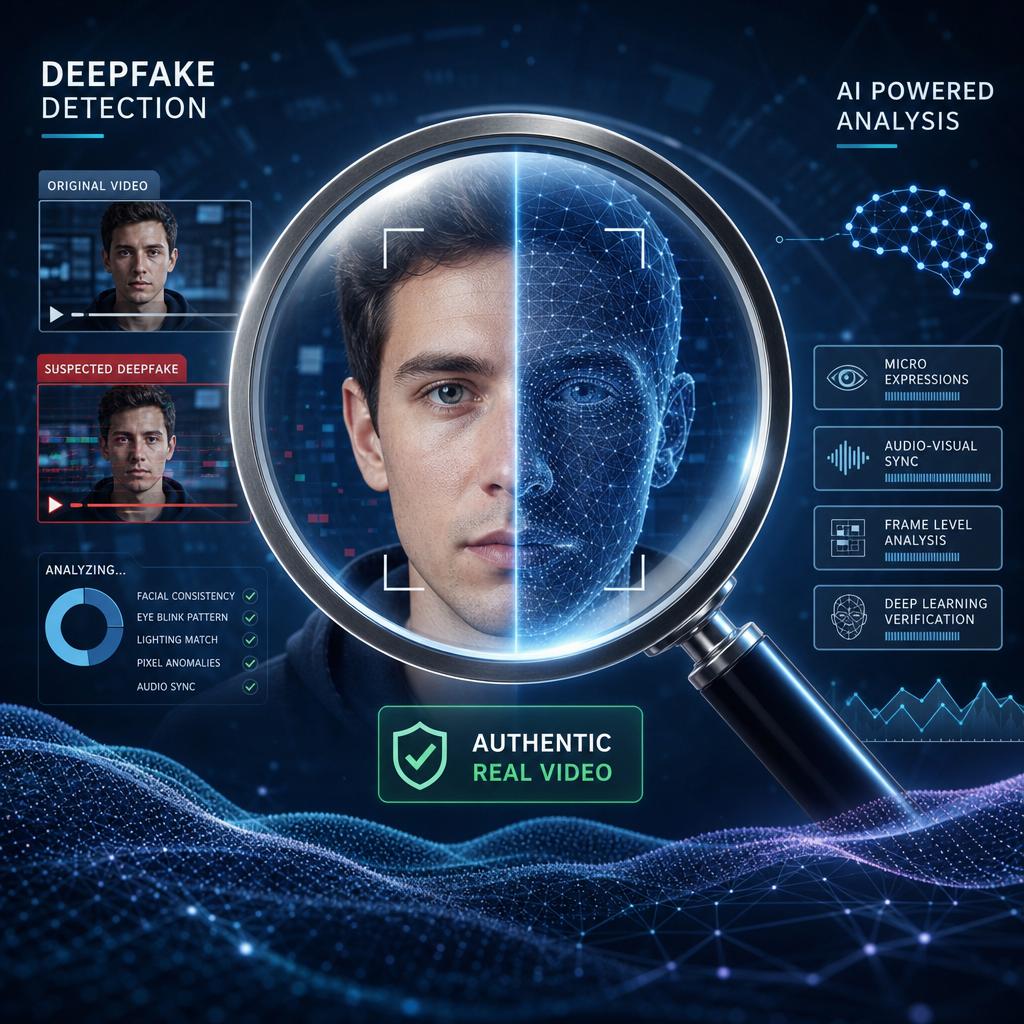
Spotting manipulated videos requires a refined understanding of both the visual and auditory clues that deepfake technology leaves behind.Advanced detection tools now leverage machine learning algorithms that analyze subtle inconsistencies in facial movements,eye blinking patterns,and unnatural lighting reflections. These indicators, frequently enough imperceptible to the naked eye, become the cornerstone of distinguishing genuine footage from expertly forged content. Additionally, forensic analysis of audio tracks for unexpected tonal shifts or synthetic speech markers enhances the overall precision of detection.
To better illustrate detection criteria, consider the following key factors commonly examined by cutting-edge AI detectors:
- Facial microexpressions: Abnormalities or lack thereof that don’t correspond with speech.
- Eye Movement: Inconsistent blinking or entirely static eyes can signal tampering.
- Lighting & Shadows: Misaligned shadows or reflections that contradict the surroundings.
- Audio-Visual Sync: Slight delays or mismatches between lip movement and voice.
| Detection aspect | Signs to Watch For |
|---|---|
| Facial Movements | Erratic eye blinks, unnatural smiles |
| Lighting | Inconsistent shadows, odd reflections |
| Audio Sync | Misaligned lip sync, distorted voice tones |
| Texture | Blurred skin areas, pixelation issues |
Implications of Deepfake Technology on Privacy and Security
Deepfake technology has introduced a profound challenge to personal privacy, as it enables the creation of convincingly realistic videos without the consent of those depicted.This ability to manipulate visual and audio data undermines the trust in authentic media and threatens individuals with potential defamation, blackmailor identity theft.the ease of access to such AI tools means that ordinary users and malicious actors alike can produce content that blurs the lines between truth and fabrication. Protecting personal privacy now requires enhanced digital literacy and vigilant authentication measures to discern genuine footage from synthetic fabrications.
From a security standpoint, deepfakes pose risks that extend into political, corporate, and societal domains. They can be weaponized to disseminate misinformation, manipulate public opinion, or disrupt governance by impersonating leaders or officials.Organizations face new security imperatives,including:
- Implementing deepfake detection technologies to safeguard interaction channels.
- Updating cybersecurity protocols to address this evolving synthetic threat.
- Educating stakeholders on the potential indicators of manipulated videos.
| Potential Impact | Area Affected | Mitigation Strategy |
|---|---|---|
| Impersonation of Public Figures | Political Stability | AI-based Video Verification Tools |
| Corporate Espionage | Business Security | Enhanced Access Controls & Employee Training |
| Personal Reputation Damage | Individual Privacy | Legal Frameworks & Swift Response Mechanisms |
strategies for Protecting Against Malicious deepfake Use
to effectively combat the risks posed by malicious deepfake creations, a multi-layered approach is essential. First, leveraging advanced AI detection tools can help identify altered media with increasing accuracy. These tools analyze inconsistencies in facial movements, lightingand audio synchronization that are tough for deepfake generators to perfectly replicate. Integrating such detection software into social media platforms, news outlets, and even legal systems enhances early identification and limits the spread of harmful content.
Equally crucial is public education on digital literacy. Empowering individuals to critically evaluate video sources and recognize red flags diminishes the deepfake’s persuasive power. Below is a summary of practical strategies organizations and individuals can use to protect themselves:
| Strategy | Key Action | Benefit |
|---|---|---|
| AI-based Detection | Deploy deepfake recognition algorithms | Rapid identification of fake videos |
| Verification Protocols | Cross-check video provenance and metadata | Prevents reliance on manipulated content |
| Legislation & policy | Enforce laws criminalizing malicious deepfake use | Deters misuse through legal consequences |
| Public Awareness | Educate on spotting unusual video anomalies | Builds individual resilience against deception |