

The Technology Behind AI-Generated Deepfake Videos
At the core of AI-generated deepfake videos lies a sophisticated blend of machine learning techniques, primarily leveraging Generative Adversarial networks (GANs). GANs consist of two neural networks-the generator and the discriminator-that engage in a continuous battle: the generator fabricates increasingly realistic images or videos, while the discriminator critiques these outputs against authentic data too detect flaws. This adversarial process enables the system to produce eerily convincing human faces and expressions, making it difficult for even experts to distinguish real from fake. Advanced facial mapping algorithms, combined with high-resolution texture synthesis and motion capture data, further enhance the believability of these fabricated videos, creating seamless visual narratives that mimic genuine human behavior and speech patterns.
- Neural network training on vast datasets of facial images and video clips to capture subtle facial nuances and emotions.
- Real-time rendering capabilities that allow deepfake generators to update facial movements in sync with speech or other visual cues.
- Voice synthesis integration to complement the visual alterations, generating matching audio that mimics the original speaker’s tone and intonation.
| Technology Component | Role in Deepfake Creation |
|---|---|
| Generative Adversarial Networks | Create hyper-realistic facial features and expressions |
| Facial Recognition & Mapping | Capture accurate facial landmarks and movements |
| Audio Synthesis AI | Replicate voice and speech patterns |
| Real-Time Processing | Synchronize audio-visual outputs smoothly |
These advanced techniques have pushed the boundaries of video fabrication far beyond simple photoshop-style edits, turning deepfakes into dynamic, time-sensitive visuals that respond fluidly to environmental and contextual cues. Yet, the very sophistication that enables these videos to be so convincing also underpins the risks they pose. As deepfakes become easier to produce with accessible AI tools, distinguishing authentic content becomes increasingly challenging for the public and digital platforms alike.This complexity calls for enhanced detection algorithms and stricter regulatory frameworks to mitigate misuse, safeguard personal identitiesand uphold trust in digital media.
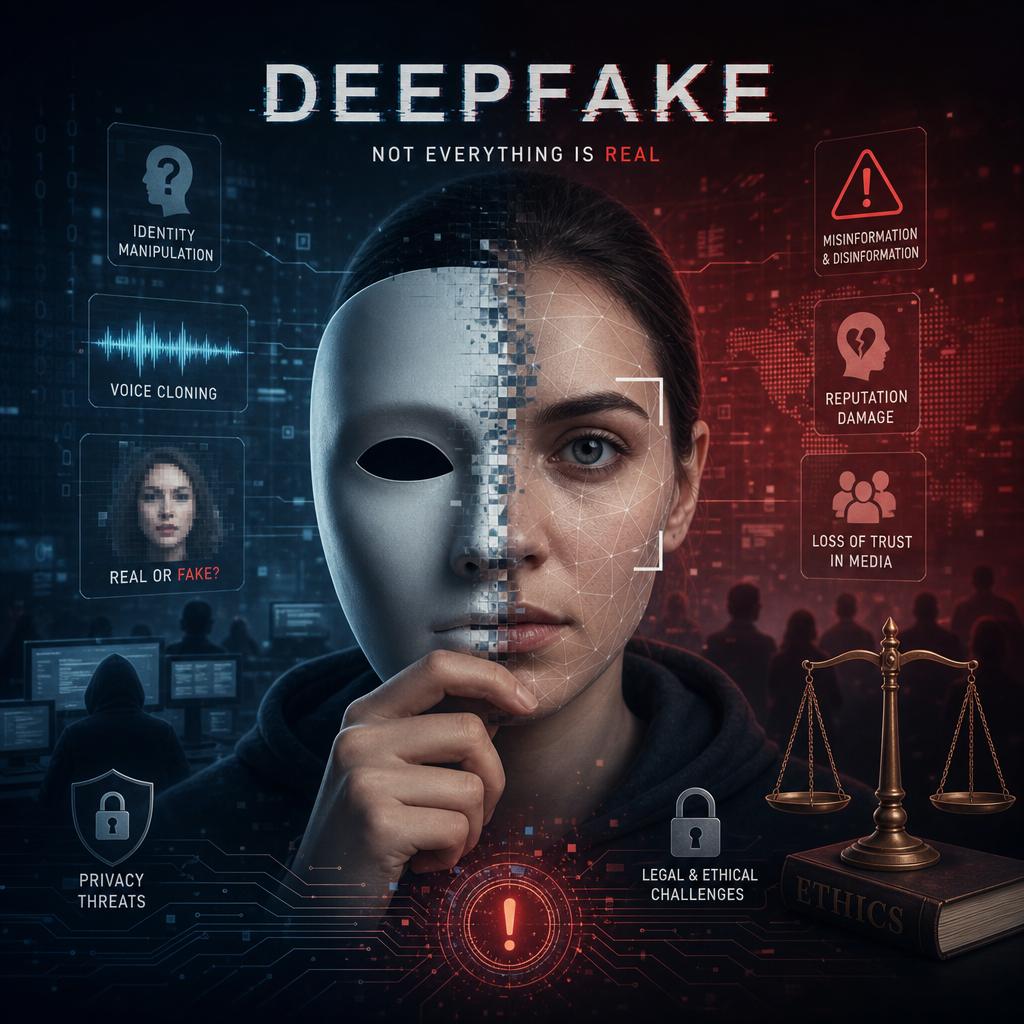
Identifying the risks and Ethical Concerns of Deepfake Content
Deepfake technology harnesses the power of artificial intelligence to fabricate hyper-realistic videos that can manipulate faces, voicesand gestures with alarming precision. However, the rapid advancement of this technology introduces significant risks and ethical dilemmas. Chief among these concerns is the potential for misuse in spreading misinformation, defamationand political manipulation, which can severely damage personal reputations and undermine public trust in media. Furthermore, the unauthorized use of an individual’s likeness raises profound privacy issues and legal questions about consent and intellectual property rights.
Mitigating these risks demands a multifaceted approach involving technology, legislationand public awareness. Below is a concise overview of the primary ethical concerns associated with deepfake content, highlighting the challenges faced by regulators and society:
| Ethical Concerns | Potential Consequences |
|---|---|
| Identity Theft and Privacy Violations | Exploitation of personal images without consent |
| Misinformation and Political Manipulation | Erosion of public trust and destabilization of democratic processes |
| Defamation and Emotional Harm | Damage to individual reputations and psychological distress |
| Legal and Regulatory Challenges | Difficulty in creating effective laws and enforcing penalties |
The Impact of Deepfake Videos on Society and Security
The rise of AI-powered deepfake technology has introduced a profound challenge to both societal trust and security frameworks. These videos,crafted with astonishing realism,can manipulate public perception by portraying individuals saying or doing things they never did. The consequences go beyond mere misinformation; the erosion of trust in legitimate media can destabilize political processes, incite social unrestand harm individual reputations. Deepfakes undermine the very foundation of truth that societies rely on, making it increasingly difficult to discern fact from fabrication in digital dialog.
Security experts warn that the misuse of deepfake videos extends well into areas of fraud,blackmail,and espionage.The capability to imitate voices and appearances can be weaponized to bypass authentication systems or manipulate high-profile negotiations. Below is a table that encapsulates the primary areas where deepfake misuse poses a serious threat, illustrating the scope of risks involved:
| Area of Risk | Potential Impact |
|---|---|
| Political Manipulation | Election interference, smear campaigns |
| Financial Fraud | Impersonation in transactions or scams |
| Personal Privacy | Blackmail, defamation |
| Cybersecurity | Authentication breaches, espionage |
- Education and awareness are critical to help the public identify and question suspicious media.
- Legislative frameworks must evolve to address the creation and distribution of harmful deepfakes.
- Technological countermeasures,like AI detection tools,are essential in the fight against fraudulent content.
Strategies and Best Practices for Detecting and Mitigating Deepfake Threats
to effectively combat the rise of deepfake videosorganizations and individuals must adopt a multi-layered approach focused on early detection and proactive mitigation.Key strategies include leveraging advanced AI-powered detection tools that analyze inconsistencies in facial movements, audio synchronizationand digital artifacts. Equally vital is the integration of human expertise alongside automated systems to validate flagged content robustly. Regular updates to detection algorithms ensure adaptation to evolving deepfake techniques,while collaboration between tech developers,media platforms,and regulatory bodies fosters a unified front against misuse.
- Continuous Monitoring: implement real-time scanning for suspicious videos across platforms.
- education and Awareness: Train users and content creators to recognize warning signs of deepfakes.
- Authentication Protocols: Encourage the use of digital watermarks and blockchain to verify original content.
- Incident Response Plans: Establish clear procedures to promptly address and remediate detected deepfake incidents.
| Mitigation Technique | Core Benefit | Example application |
|---|---|---|
| AI-Powered Detection Tools | Automated identification of altered media | Platforms like YouTube use these to flag fake videos |
| Human Verification Teams | Contextual and nuanced content review | Fact-checkers in newsrooms verifying viral clips |
| digital Watermarking | Authenticates original content integrity | Content creators embedding invisible watermarks |