
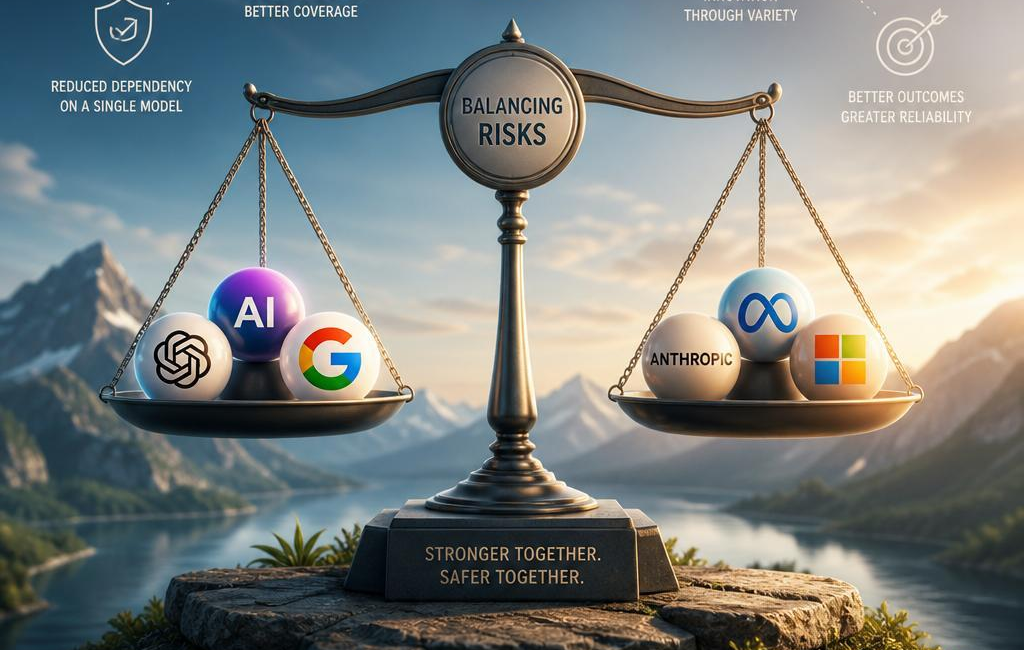
Balancing Innovation and Security in Multi-Vendor AI Ecosystems
In today’s fast-evolving AI landscape, relying solely on a single vendor’s solution can expose organizations to notable risks, such as vendor lock-in, limited innovationand potential security vulnerabilities. Multi-vendor AI ecosystems foster resilience by diversifying technological sources, which not only encourages competitive innovation but also allows for the integration of robust security measures tailored to each component’s strengths. Leveraging multiple AI providers can empower enterprises to design systems that are adaptive and holistically secure, mitigating risks that arise from over-dependence on one platform or singular technology pathways.
Key benefits of embracing multi-vendor AI environments include:
- Risk mitigation: Diverse AI sources reduce the impact of a compromised model or platform.
- Innovation acceleration: cross-pollination of ideas and methods lead to faster, more creative solutions.
- Security enhancement: Layered security protocols can be implemented by blending vendor-specific safeguards.
- Operational flexibility: Organizations can seamlessly switch or upgrade components without significant disruption.
| aspect | single-Vendor AI | Multi-Vendor AI |
|---|---|---|
| Innovation | Limited to one provider’s scope | Broadened through diverse contributions |
| Security | Uniform but possibly fragile | Layered and adaptive defenses |
| Risk Exposure | Higher due to vendor lock-in | Lower with distribution of dependencies |
| Flexibility | Restricted upgrades and changes | Scalable and modular evolution |
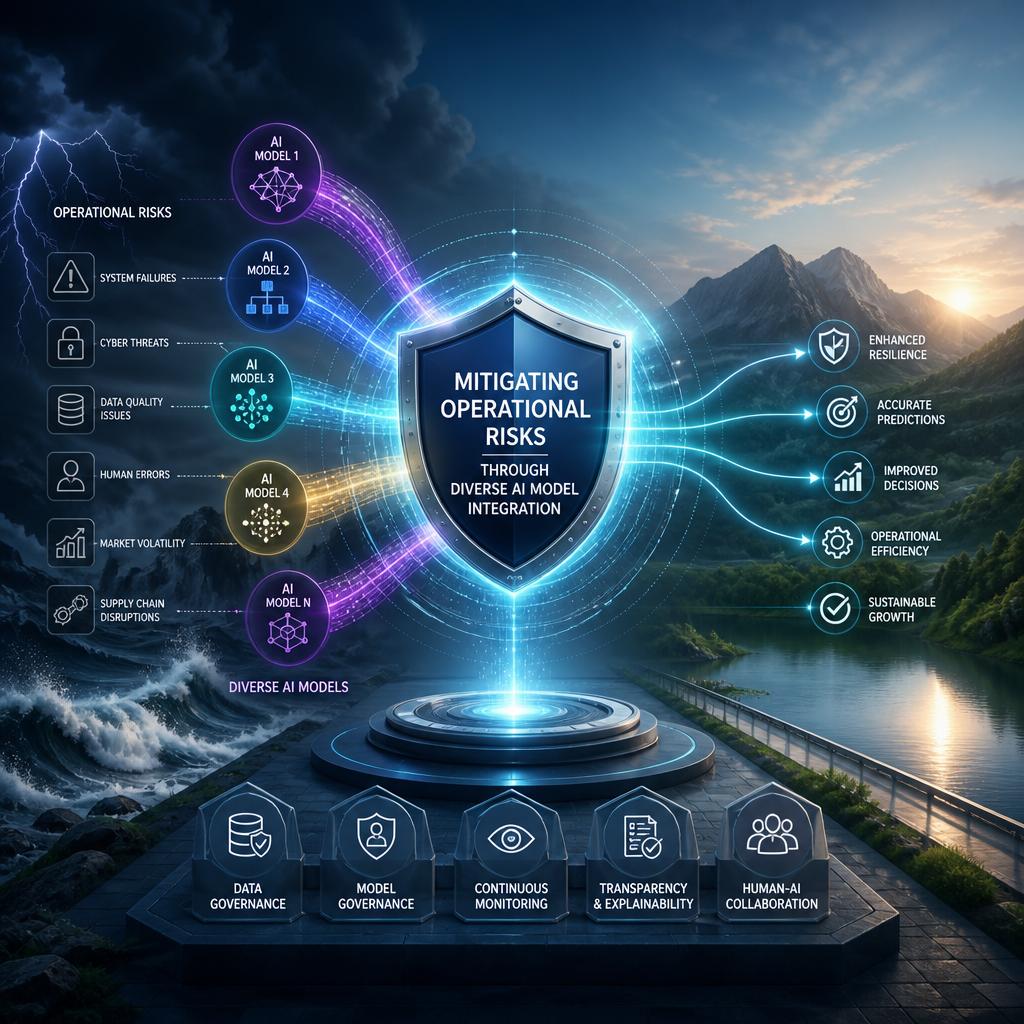
Mitigating Operational Risks Through Diverse AI Model Integration
Relying on a singular AI model,no matter how advanced,can expose enterprises to significant operational risks such as vendor lock-in,model bias,and system outages.By integrating multiple AI models sourced from diverse vendorsorganizations cultivate a more resilient AI ecosystem that compensates for the inherent limitations of any single model. This approach enhances the robustness of AI-driven decision-making, enabling businesses to pivot seamlessly in response to evolving market conditions and technological disruptions. moreover, it fosters innovation through comparative analysis, allowing businesses to leverage the strengths of each model to optimize outcomes.
- Improved Fault Tolerance: Multiple models provide fail-safes in case one model encounters errors or downtime.
- Mitigation of Bias: Diverse sources reduce systematic biases often present in single-vendor models.
- Regulatory Compliance: A mix of models can facilitate adherence to industry-specific regulations by offering varied transparency features.
| Risk Factor | Single Vendor Model | Diverse Multi-Vendor Models |
|---|---|---|
| System Downtime Impact | High | Low |
| Bias Exposure | Elevated | Reduced |
| Innovation Agility | Limited | Enhanced |
Maximizing Performance by Leveraging Complementary Strengths of multiple AI providers
In today’s rapidly evolving AI landscapeorganizations that integrate multiple AI providers unlock a powerful synergy that single-source models often can’t match. By combining distinctive algorithmic strengths, data setsand architectural innovations from different vendors, businesses can optimize performance across diverse applications. This approach fosters robustness and adaptability, ensuring AI solutions remain resilient to sector-specific challenges and shifting operational demands. Furthermore, leveraging complementary technologies mitigates the risk of bias or blind spots inherent in any single model, enhancing overall accuracy and decision-making confidence.
- Diversity of Algorithms: Harnessing various AI approaches generates richer insights and nuanced predictions.
- Resilience: Multi-vendor strategies reduce dependency on one provider, limiting downtime or disruptions.
- Continuous Betterment: Providers often excel in different niches, fostering innovation through cross-pollination.
| Provider Strength | specialization | Benefit |
|---|---|---|
| Vendor A | Natural Language Processing | Superior text comprehension and generation |
| Vendor B | Computer Vision | Enhanced image recognition accuracy |
| Vendor C | Predictive Analytics | More accurate forecasting and trend detection |
Strategic Best Practices for implementing and Managing Multi-Vendor AI Solutions
Embracing a multi-vendor AI strategy requires a disciplined approach to mitigate integration and operational risks. It’s essential to develop a robust vendor assessment framework that evaluates technology compatibility, support responsivenessand data governance policies. Organizations should prioritize vendors who demonstrate strong interoperability capabilities and obvious roadmaps. A key best practice is establishing a centralized AI governance team empowered to coordinate deployments, manage complianceand streamline vendor dialogue. This team also continuously monitors performance metrics to identify underperforming models or potential security threats early, ensuring the AI ecosystem remains resilient and adaptive.
Maintaining agility in a multi-vendor habitat hinges on clearly defined roles, standardized interfacesand modular architecture. Here are critical practices to ensure smooth operation and scalable growth:
- Standardize Data Formats: Ensures seamless data exchange and consistent training inputs across models.
- Implement Continuous Testing: Proactively detect integration flaws or bias shifts in real time.
- Adopt API-Centric Designs: Facilitates plug-and-play flexibility, allowing quick vendor swaps or upgrades.
- Maintain Transparent SLAs: Aligns stakeholder expectations and enforces accountability from each vendor.
| Challenge | Best Practice | Outcome |
|---|---|---|
| Vendor Lock-in | Modular AI platform design | Enhanced flexibility |
| Data Silos | Unified data schema | Improved model synergy |
| Security Gaps | Cross-vendor security audits | Reduced vulnerabilities |